

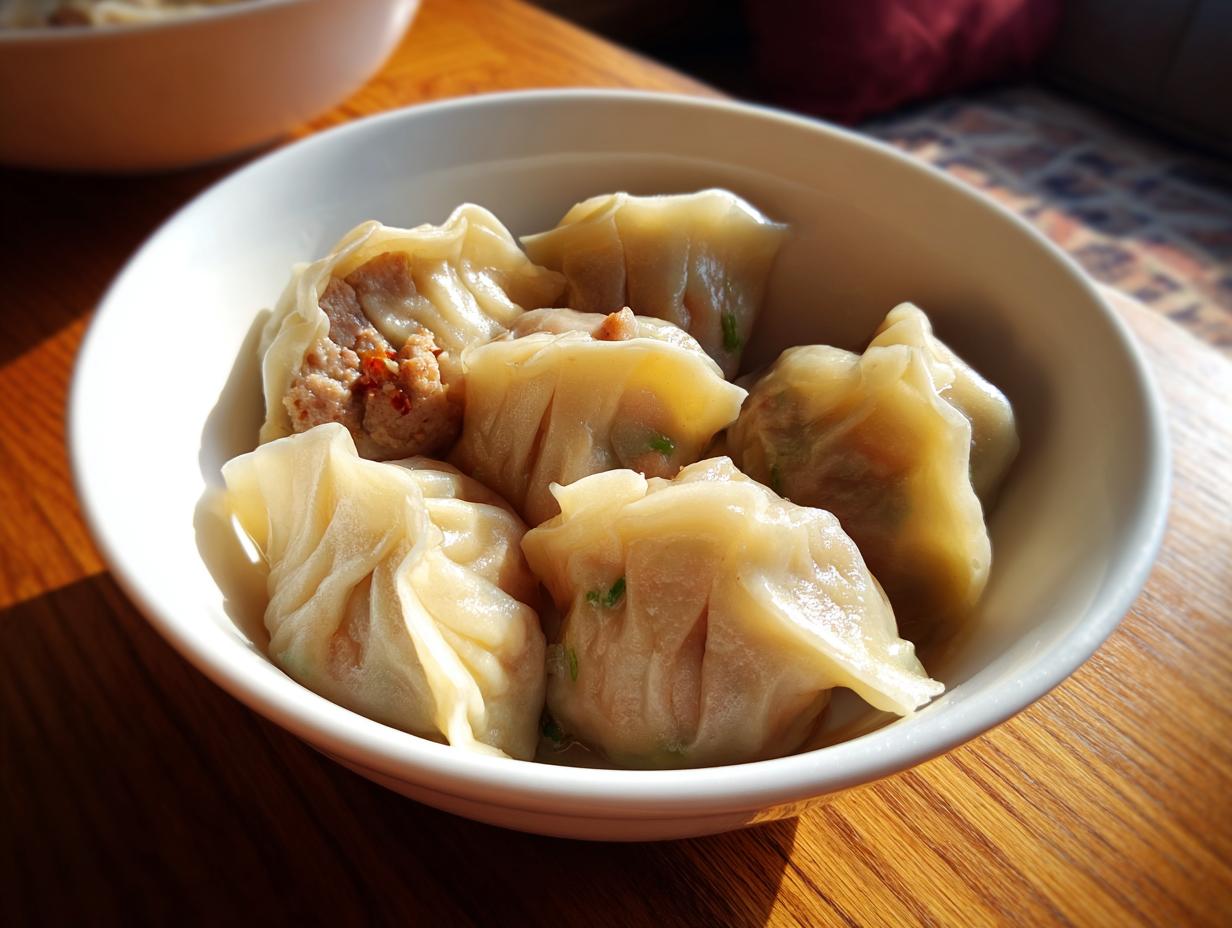
You know that feeling when you tuck into something truly homemade? That deep, warm comfort that signals you’re eating something made with real care? That’s exactly what these Traditional Chinese Dumplings give me. For years, I thought making authentic jiaozi meant reserving a whole Sunday, but my background reminds me that great flavor doesn’t have to cost all your time. I’ve tweaked and tested this exact pork and cabbage filling formula to make sure you get that rich, savory flavor you crave, even if you’re just squeezing in time after work.
This recipe proves you can honor tradition without sacrificing your evening plans. We’re getting that perfect, chewy wrapper and a robust filling every single time. Trust me, once you try them this way, you won’t look at store-bought wrappers the same way again!
- Why This Traditional Chinese Dumplings Recipe Works for Weeknights
- Essential Ingredients for Authentic Jiaozi Filling
- Step-by-Step Guide to Homemade Dumpling Wrappers
- Assembling and Pleating Your Pork Cabbage Dumplings
- Cooking Traditional Chinese Dumplings: The Boiling Method
- Tips for Success with Authentic Jiaozi
- Frequently Asked Questions About Chinese Dumplings Recipe
- Storing and Reheating Your Traditional Chinese Dumplings
- Serving Suggestions for Your Jiaozi Meal
- Share Your Experience Making These Traditional Chinese Dumplings
Why This Traditional Chinese Dumplings Recipe Works for Weeknights
I know what you’re thinking: homemade dumplings sound like a marathon, not a weeknight sprint. Honestly, before I streamlined this process, I thought so too! The beauty of this approach is how quickly the core components come together. I promise these Traditional Chinese Dumplings deliver massive authenticity in minimal time. We focus on maximum flavor impact right up front.
- Flavor that sings without endless simmering.
- Reliable, consistent results—no more guesswork!
- The whole process, start to finish, if you focus, is done fast enough for a busy evening.
Quick Prep and Cooking Times
See that? Forty-five minutes to prep everything, including making the dough and mixing the filling. That dough rests while you work on the pork and cabbage—it’s efficient! Then, the actual cooking takes just about 10 minutes in boiling water. Seriously, if you can boil water for pasta, you can have these on the table quickly.
Making Freezer Friendly Traditional Chinese Dumplings
This is my absolute favorite trick for busy weeks. Don’t stop at just one serving! Double the recipe and make a huge batch of Traditional Chinese Dumplings. Once they’re sealed, lay them on a baking sheet and straight into the freezer they go. Having a stash of frozen, homemade dumplings is like finding gold in your freezer later on. They cook up perfectly straight from frozen!
Essential Ingredients for Authentic Jiaozi Filling
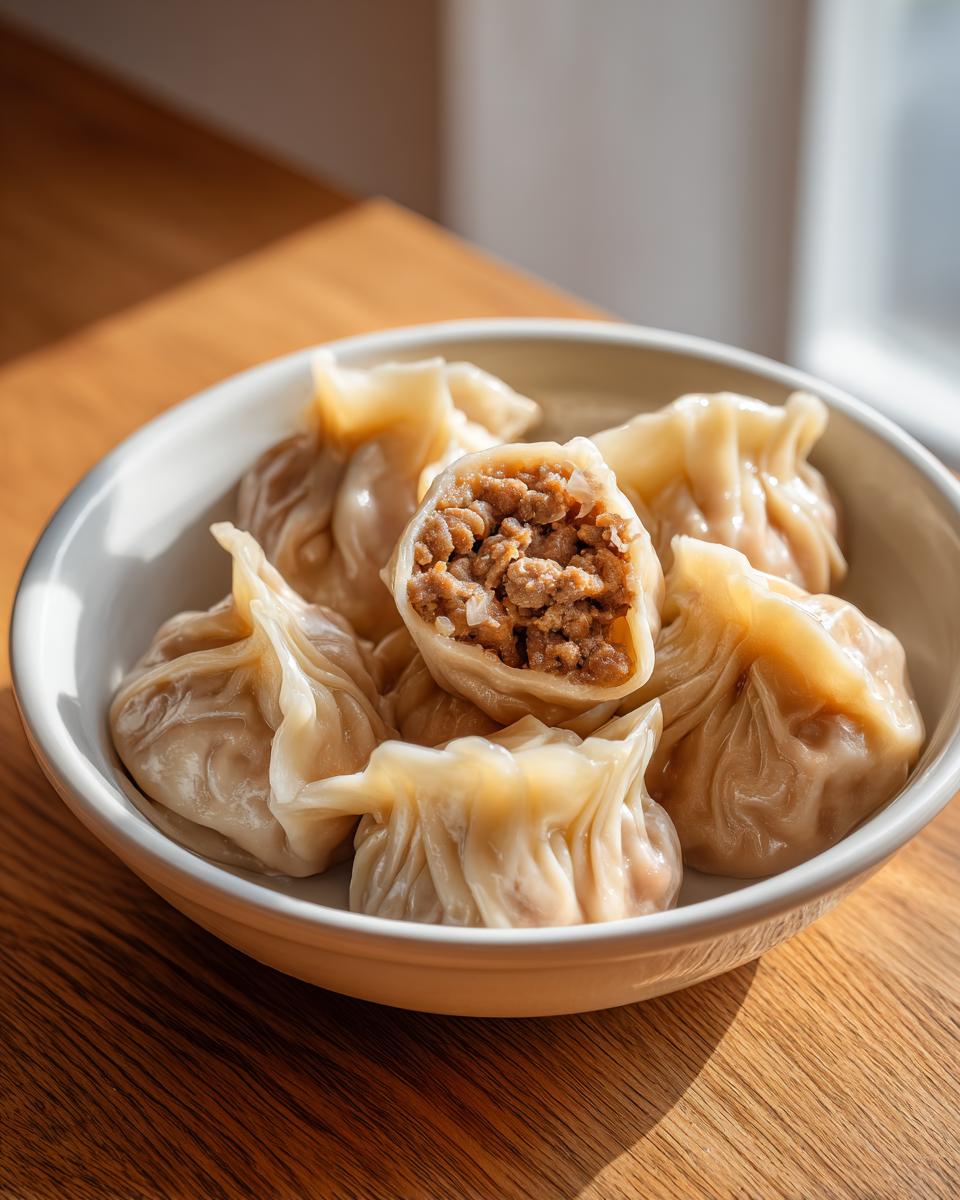
When we talk about authentic Traditional Chinese Dumplings, we aren’t messing around with substitutes here. The filling has to taste savory, fresh, and just burst with that classic umami flavor. It’s a simple list, but the quality matters a lot! We skip the fancy, expensive things and focus on making the pork, cabbage, and seasonings sing together. This filling comes together so fast, and yet it tastes like it simmered all day long. It’s where the richness of these authentic jiaozi truly comes from.
Ingredient Notes and Cabbage Preparation
Now, let’s talk cabbage. Napa cabbage is tender and sweet, which is perfect. But here’s the secret I learned the hard way: if you chop the cabbage and dump it straight in, your dumplings will weep water all over the pot! We need to pull that excess moisture out first. Grab your chopped cabbage, sprinkle it with just a little salt, and let it sit for about 15 minutes. You’ll see little beads of water form on the leaves. Then, you have to squeeze it out—gently, but firmly. Seriously, squeeze until your hands hurt a little bit! Once it’s dry, toss it with the pork, ginger, soy sauce, and sesame oil. That simple step is what keeps your pork cabbage dumplings sealed tight and perfectly textured.
Step-by-Step Guide to Homemade Dumpling Wrappers
Forget the grocery store for this part; making your own homemade dumpling wrappers is shockingly simple, and it’s the reason these Traditional Chinese Dumplings have such an amazing chew! Honestly, the dough is just flour and water, but the magic happens in exactly how you treat it. You don’t need any fancy equipment at all—just your hands and a little patience. We need that dough to relax perfectly so it can stretch thin without tearing when we fill and fold them. Trust me, the flavor payoff is worth the extra five minutes of work you give the dough.
Kneading and Resting the Dough
When you first mix the flour and warm water, it looks like a mess, I know! Just bring it together into a shaggy ball, then turn it out onto a clean, lightly floured counter. Now, you knead. I mean really knead it—for about 8 to 10 minutes. You’re looking for that dough to go from rough to smooth and elastic; it needs to feel soft, like an earlobe, not tough! Once it’s smooth, let it chill out. Cover that ball up tightly and let it rest for a full 30 minutes. This resting period is non-negotiable if you want tender wrappers!
Rolling Thin Wrappers for Perfect Traditional Chinese Dumplings
After resting, cut your smooth dough into four equal parts. Roll each part into a long rope—think fat pencil size—and then slice those ropes into little 1-inch hunks. This is where you prove your dedication to Traditional Chinese Dumplings! Take each small piece and roll it out using a pin. Try to make them thin, about 3 inches across. They don’t have to be perfect circles, honest! A slightly thicker edge than the center is fine; that thickness helps hold the filling when you seal them up.
Assembling and Pleating Your Pork Cabbage Dumplings
Okay, you’ve got your beautiful, smooth wrappers and your intensely flavorful filling. Now comes the fun, slightly tricky part: folding! This is what makes them look like real, Traditional Chinese Dumplings. Don’t panic if your first few look a little wonky—that’s how mine always look until I get into the rhythm. The key is creating that classic crescent shape and making sure the seal is watertight so none of that amazing pork juice escapes while they boil.
Filling Ratios and Sealing Edges
This is precision work, so listen up! Scoop just about one teaspoon of the filling right into the center of that wrapper you just rolled out. Yep, only a teaspoon! Too much filling and you won’t be able to seal the edges without tearing the dough. Before folding, take a tiny dab of water on your finger and run it along the entire outer edge of the wrapper. This acts like glue. Fold the wrapper over into a half-moon shape—think of closing a tiny book—and then start pinching. I like to make small, tight pleats along one side, pressing that pleated edge firmly against the smooth back edge until the entire dumpling is sealed shut. They should stand up nicely when you set them down!
Cooking Traditional Chinese Dumplings: The Boiling Method
We’ve done the hard work making the dough and mixing up that savory filling. Now it’s time for the payoff! For that truly classic, soft texture, boiling is the way to go. Seriously, nothing beats a pot of rolling water for these Traditional Chinese Dumplings. It’s fast, reliable, and keeps the wrapper tender as can be. Don’t overfill your pot, though; we need room for the water to move around so the dumplings cook evenly and don’t end up sticking together in one giant, edible blob.
Get a really big pot of water roaring—I mean a full, rolling boil before anything goes in. Drop your assembled dumplings in gently. You might need to do this in batches depending on how many you’re making. If you see them start to cluster up against each other immediately, give the water a very gentle stir with a wooden spoon to separate them before they glue themselves together. They’ll sink right to the bottom at first, but don’t fret!
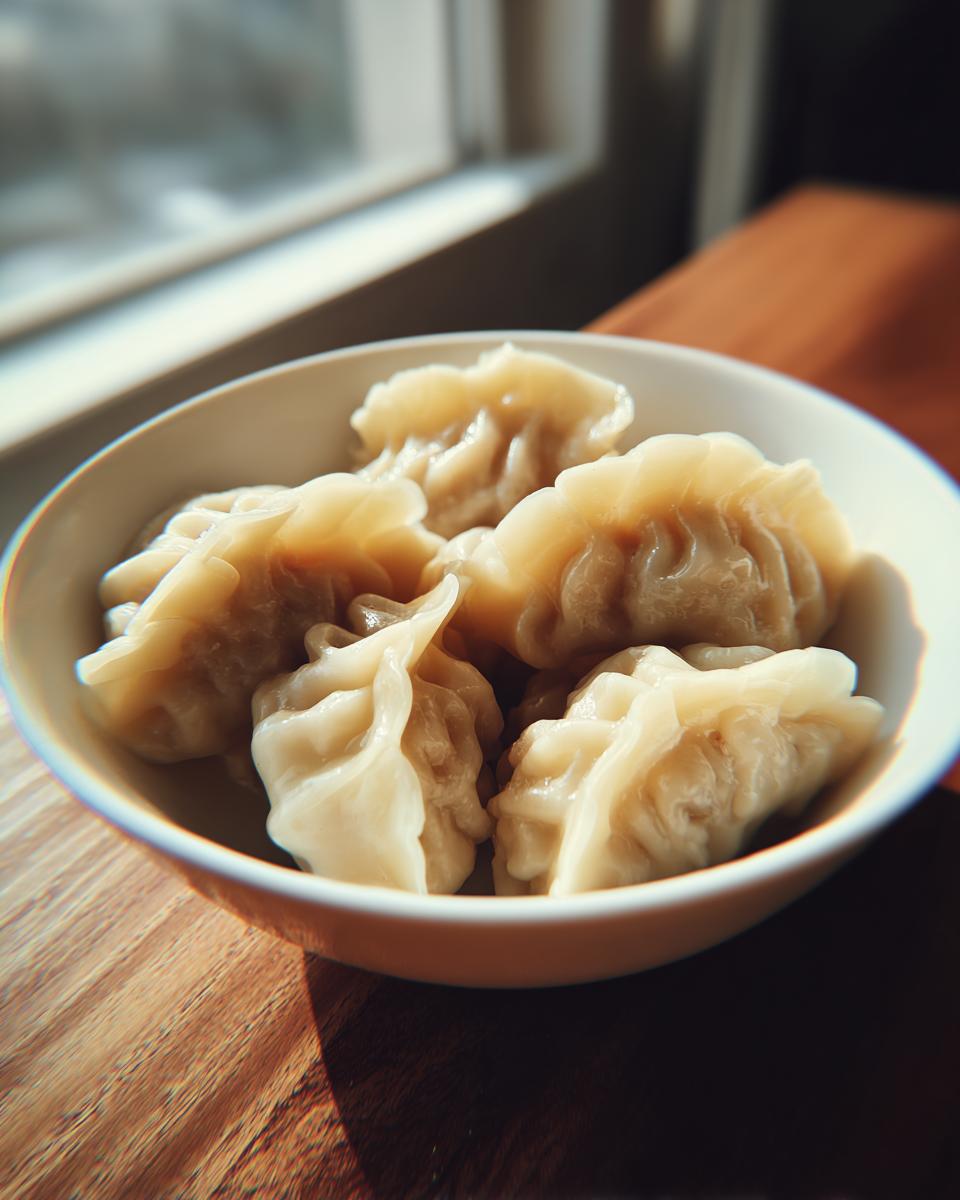
Keep that water boiling steadily. You’ll know your boiled Chinese dumplings are almost ready when they start to float right up to the surface—like little savory boats! Once they start rising, give them just another minute or two, just to be absolutely sure that pork filling is cooked through. We’re looking at about 5 to 7 minutes total cooking time once they’ve surfaced. Pull them out with a slotted spoon right away, let any excess water drip off, and get them straight into your dipping sauce. Perfection!
Tips for Success with Authentic Jiaozi
You’ve made them, you’ve sealed them beautifully, and now you want them to taste amazing when you serve them—or later! Achieving that authentic texture requires a few little secrets I’ve picked up over the years of making Traditional Chinese Dumplings for family dinners and especially for hosting during Lunar New Year. It’s all about planning ahead, whether that means stopping that cabbage sorrow or saving some for a future craving.
The biggest mistake people make, other than over-filling, is thinking about moisture retention after they are cooked. If you plan ahead, you remove the biggest headache!
How to Keep Your Filling from Getting Watery
I mentioned salting the cabbage earlier, and I want to really hammer home how important that step is. If you skip it, the cabbage will release steam and water as it cooks inside the wrapper, basically steaming your dumpling from the inside out. That ruins the texture! Take the time to salt, wait 15 minutes, and squeeze every last drop out. It guarantees your filling stays tight, savory, and robust, which is what you want in your authentic jiaozi.
Mastering the Art of Freezer Friendly Traditional Chinese Dumplings
Listen, making a huge batch of Traditional Chinese Dumplings is always smarter than making a small one. Why spend all that time folding just enough for one dinner? The dough recipe perfectly converts to becoming wonderful freezer friendly dumplings. Once they are wrapped, you can’t just throw them into a bag; they will fuse into one giant frozen clump! You need to flash freeze them first.
Line a baking sheet—any standard one will do—with parchment paper. Lay your uncooked dumplings out in a single layer so none of them are touching. Pop that whole sheet into the deep freezer for maybe an hour or two until they are rock solid. Once they are hard coins, you easily transfer them into a good quality freezer bag. When you want to cook them straight from frozen, just add two or three extra minutes to your boiling time. They come out tasting just as good as fresh!
Frequently Asked Questions About Chinese Dumplings Recipe
I get so many questions once people start trying this recipe, especially when planning for big events! It’s totally normal to have these little queries pop up when you’re venturing into homemade dough territory. I want these pork cabbage dumplings to be a slam dunk for you, whether it’s a Tuesday night dinner or you’re prepping for a huge Lunar New Year celebration. Remember, if you’re using this recipe often, make sure you check out our general terms of use for our site!
Can I use store-bought wrappers instead of homemade dumpling wrappers?
Oh, absolutely you can! I get it, sometimes time is just too short, and there is no shame in grabbing a package of wrappers from the store. It speeds things up considerably, especially if the folding is the part you enjoy most. However, I have to give you the heads-up: the texture is just totally different. Homemade dough, even if it isn’t perfectly round, yields this wonderful, slightly chewy bite that you just can’t replicate with the thin, almost gummy texture of most store-bought options. If you use store-bought, make sure they are the round kind, not the square wonton skins!
What is the best dipping sauce for these pork cabbage dumplings?
The filling is so rich and well-spiced that it really doesn’t need much help, but a good dipping sauce is essential! I always keep it classic and very simple, which is how my family did it. You want two parts soy sauce, one part Chinkiang black vinegar (it’s milder and slightly sweet—don’t substitute with white vinegar if you can help it!), and just a tiny splash of sesame oil. If you like heat—and I do!—add a few drops of chili crisp or chili oil right before serving. Stir it all together. That’s it. It’s bright, tangy, and cuts right through the richness of the pork filling.
Storing and Reheating Your Traditional Chinese Dumplings
So, maybe you did exactly what I suggested and made a massive batch of Traditional Chinese Dumplings, which means you have leftovers! Congratulations, future you will thank you. Whether you’re chilling the uncooked ones we froze earlier or you have cooked dumplings needing a second life, storage is key to making sure they taste great later.
Proper short-term storage is super easy, especially if you didn’t freeze them right away. If you just made them this afternoon and you need to save some for tomorrow’s lunch, keep them refrigerated. But you have to store them correctly! They can’t just sit in a clump in a container; they’ll stick together and you’ll end up tearing the delicate dough when you try to separate them tomorrow.
Put your remaining uncooked dumplings on a tray lined with parchment paper, making sure they aren’t touching. Cover that tray loosely with plastic wrap and tuck them into the fridge for up to 24 hours. If they are cooked, just refrigerate them in an airtight container.
Reheating Cooked Dumplings for the Best Flavor
Reheating is where people often lose out on that wonderful texture we worked so hard to achieve. Honestly, microwaving cooked dumplings is almost always a mistake—they end up rubbery and sad! We want to bring moisture back into the wrapper without making it soggy.
My favorite way to revive leftover, boiled Chinese dumplings is by steaming them. Put about an inch of water in a pot, bring it to a simmer, and place your dumplings in a steamer basket lined with something non-stick (a little cabbage leaf works perfectly, or parchment with holes poked in it!). Steam them for about 5 to 7 minutes until they are warmed right through. They taste almost brand new!
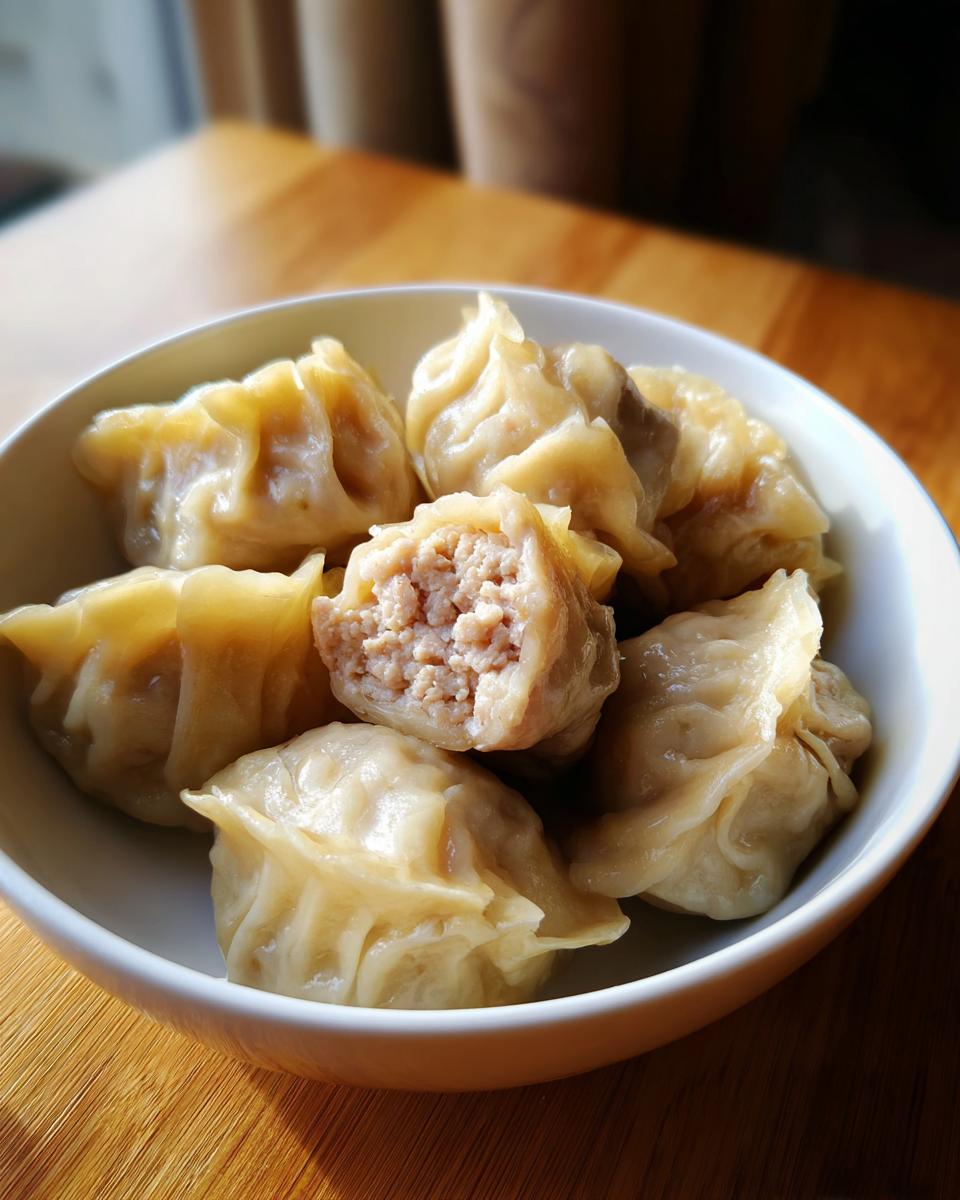
Crisping Up Leftovers with the Pan-Fry Method
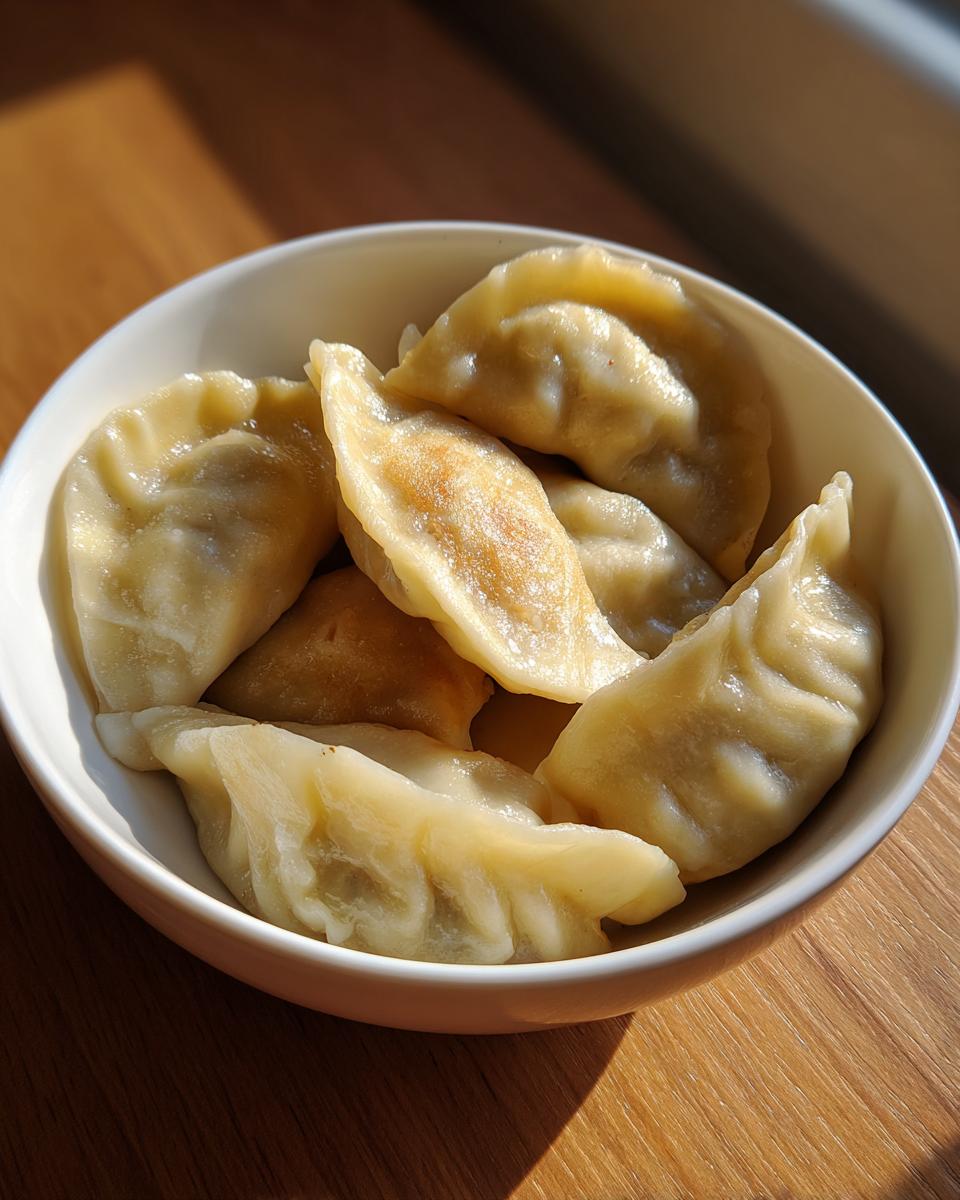
If you happen to have leftover Traditional Chinese Dumplings and you’re suddenly craving that crispy bottom texture you get from potstickers, you can absolutely do that! You don’t even need to thaw them if they were frozen and cooked last night. Just heat a tablespoon of neutral oil in a non-stick skillet over medium-high heat. Place the dumplings in the pan—flat side down if they were boiled—and pan-fry them for 3 to 4 minutes until the bottoms are gloriously golden and crispy. You can add just a splash of water after they crisp up and immediately cover the pan for one minute; this adds a little steam to heat the filling through completely without drying out the crispy bottom. If you need to get in touch with us for recipe substitutions or questions, you can always find our contact form right here!
Serving Suggestions for Your Jiaozi Meal
You’ve made dozens of perfect little parcels of deliciousness; now what? Simply eating a mountain of dumplings on their own is definitely allowed—who’s stopping you?—but if you’re planning these for a family dinner or want them to stretch just a bit further, you need a couple of simple, complementary side dishes.
When I make a big batch of these, I use the dumpling process as a cue to keep the rest of the meal really light and green. We want textures that contrast nicely with the soft, chewy wrapper and the rich pork inside. Keep it simple! This isn’t the time for heavy, complicated dishes.
A Simple Clear Broth or Soup
Nothing cuts through richness quite like a clear, hot soup. Think of it as the palate cleanser between cycles of dumplings. You don’t need to make a huge, meaty stock. I often just boil some water and toss in a couple of vegetarian bouillon cubes or mushroom stock powder if I have it. Then, I throw in some finely chopped baby bok choy or maybe some spinach right at the end. Let it wilt for sixty seconds, season with just a tiny bit of white pepper and maybe a drop of sesame oil, and that’s your soup!
It’s warm, delicate, and honestly comes together faster than you can clean your cutting board. It makes the whole meal feel much more complete and balanced, especially if you’ve got a crowd.
Quick Blanched Greens or Salads
If you have even five extra minutes, greens are your best friend. You can replicate that simple Asian side dish you see everywhere. Grab some gai lan (Chinese broccoli) or even just regular fresh broccoli florets. Quickly blanch them in boiling water—just a minute or two until they are vibrant green but still have a good snap—and then immediately plunge them into ice water to stop the cooking. Trust me, that ice water bath is key to keeping them bright!
For the dressing, keep it minimal. Drizzle lightly with soy sauce, a hint of sugar, and a very small splash of rice vinegar. Maybe some chopped garlic added right before serving if you’re feeling adventurous. The slight bitterness and crunch of the greens are the perfect counterpoint to the savory, comforting filling of your pork cabbage dumplings.
Rice? Not Usually Necessary, But Okay If You Must!
Because our dumplings already have a substantial wrapper (dough) and plenty of filling, you usually don’t need rice. If you’re serving tiny appetizer portions, maybe, but for a main dinner, rice often just feels like too much starch alongside the wrapper already present. If you absolutely feel like you need a base, opt for plain steamed white rice and use it sparingly just to soak up any extra dipping sauce left on your plate!
Share Your Experience Making These Traditional Chinese Dumplings
Whew! You made it! You’ve tackled the dough, perfected the filling, and folded a whole plate of beautiful, handmade dumplings. Now the very best part of my job begins—hearing from you!
I put so much effort into making sure this Traditional Chinese Dumplings recipe is reliable and tastes just like the ones I grew up eating. I want to know how they turned out on your table. Did the pleating give you trouble, or did you nail it on the first try? Did they make a perfect addition to your Lunar New Year feast?
Please don’t be shy! Drop a comment below and let me know what you thought. If you managed to get a fantastic shot of your finished authentic jiaozi, I’d love to see it! Sharing your kitchen victories (and maybe even your funny first-time fails) helps inspire the next person trying to master homemade dough. Happy cooking, and thanks for inviting my family’s recipe into your home!
PrintTraditional Pork and Cabbage Jiaozi (Chinese Dumplings)
Make authentic Chinese pork and cabbage dumplings from scratch, including instructions for making homemade wrappers, pleating, and freezing for later use.
- Prep Time: 45 min
- Cook Time: 10 min
- Total Time: 55 min
- Yield: 4 servings 1x
- Category: Dinner
- Method: Boiling
- Cuisine: Chinese
- Diet: Low Fat
Ingredients
- 2 cups all-purpose flour
- 1 cup warm water (plus more if needed)
- 1 pound ground pork
- 3 cups finely chopped Napa cabbage
- 1/4 cup chopped scallions
- 2 tablespoons soy sauce
- 1 tablespoon sesame oil
- 1 teaspoon grated fresh ginger
- 1/2 teaspoon salt
- 1/4 teaspoon white pepper
Instructions
- Make the dough: Mix the flour and warm water in a bowl until a shaggy mass forms. Knead on a lightly floured surface for 8 to 10 minutes until smooth. Cover the dough and let it rest for 30 minutes.
- Prepare the filling: In a large bowl, combine the ground pork, chopped cabbage, scallions, soy sauce, sesame oil, ginger, salt, and white pepper. Mix thoroughly in one direction until the mixture becomes sticky.
- Roll the wrappers: Divide the rested dough into four equal pieces. Roll each piece into a long rope and cut into 1-inch pieces. Roll each piece into a thin, round wrapper, about 3 inches in diameter.
- Assemble the dumplings: Place about 1 teaspoon of filling in the center of a wrapper. Moisten the edges with water. Fold the wrapper in half to form a half-moon shape and crimp the edges to seal, creating pleats along one side for a traditional look.
- Cook the dumplings: Bring a large pot of water to a rolling boil. Gently drop the dumplings into the water, ensuring they do not stick together. Cook for 5 to 7 minutes, or until the dumplings float and the pork filling is cooked through.
- Serve immediately with your preferred dipping sauce.
Notes
- For freezing: Arrange uncooked dumplings in a single layer on a baking sheet lined with parchment paper. Freeze until solid, then transfer to a freezer bag. Cook directly from frozen, adding 2 to 3 minutes to the cooking time.
- To blanch the cabbage for a less watery filling: Mix the chopped cabbage with 1/2 teaspoon of salt and let it sit for 15 minutes. Squeeze out all excess water before mixing with the pork.
Nutrition
- Serving Size: 6 dumplings
- Calories: 350
- Sugar: 2
- Sodium: 450
- Fat: 18
- Saturated Fat: 6
- Unsaturated Fat: 12
- Trans Fat: 0
- Carbohydrates: 30
- Fiber: 2
- Protein: 18
- Cholesterol: 65