

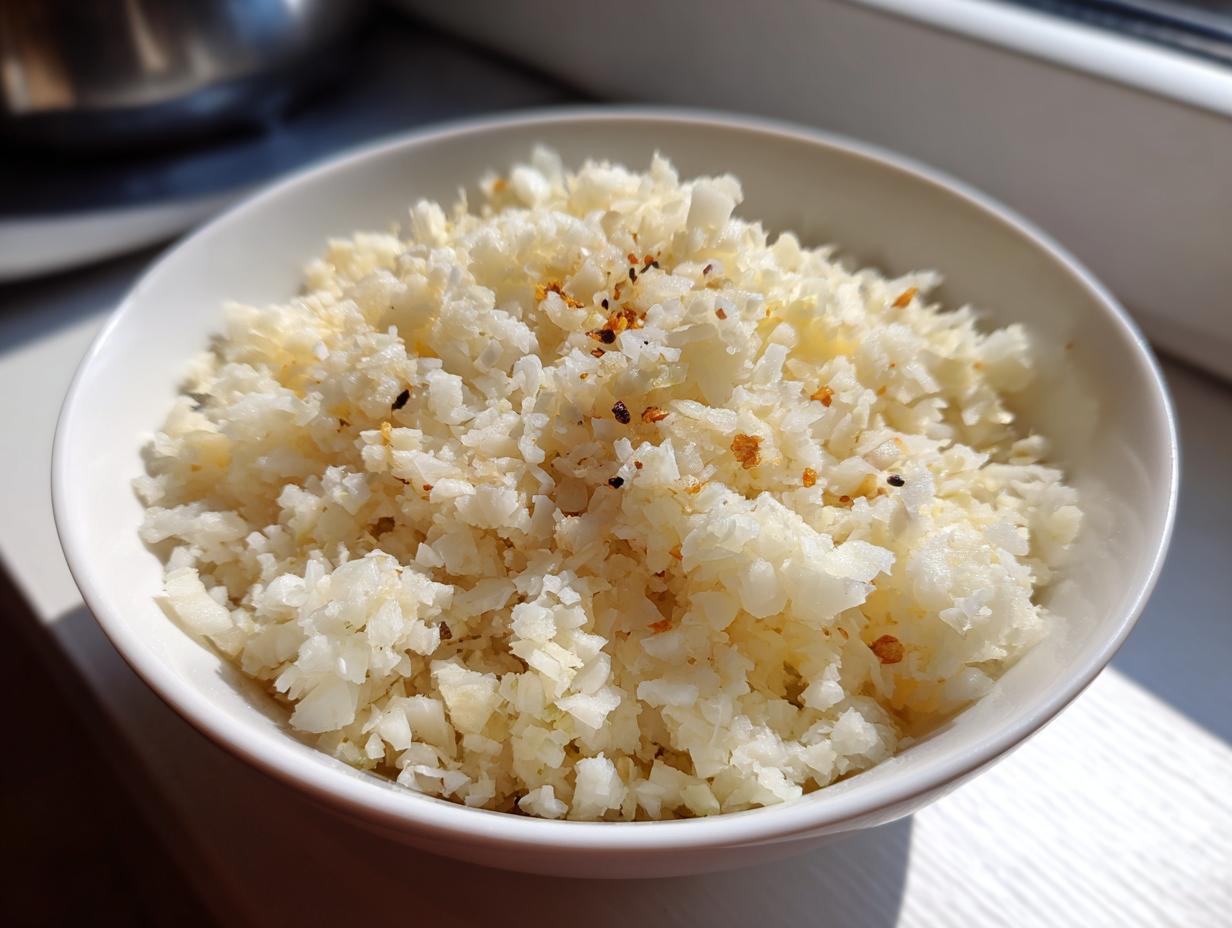
I know that feeling. You want that comforting, satisfying bowl of rice under your stir-fry or next to your curry, but suddenly, the heavy carbs just aren’t fitting into your busy, health-conscious week anymore. Trust me, I’ve been there, juggling deadlines and dinner! That’s why I spent ages developing alternatives that don’t feel like a consolation prize. The secret weapon I landed on, the one that truly changed my weeknight routine, is mastering the **cauliflower rice**. When you get the texture right—super fluffy, never soggy—it becomes this amazing, blank canvas. It’s about finding simple, powerful swaps so you can eat well without adding another hour onto your day. This is how we reclaim our kitchens, one perfectly textured vegetable base at a time. Check out my easy lunch ideas while you’re here!
- Why This Fluffy Cauliflower Rice Recipe Works as a Healthy Rice Alternative
- Essential Ingredients for Making Cauliflower Rice
- How to Make Cauliflower Rice: Step-by-Step Instructions
- Flavor Variation 1: Quick Garlic Butter Cauliflower Rice
- Flavor Variation 2: Creamy Cauliflower Rice for a Comforting Side Dish
- Flavor Variation 3: Delicious Low-Carb Cauliflower Fried Rice Recipe
- Tips for Cauliflower Meal Prep and Storage
- Frequently Asked Questions About Cauliflower Rice
- Nutritional Snapshot of This Versatile Veggie Rice
Why This Fluffy Cauliflower Rice Recipe Works as a Healthy Rice Alternative
Honestly, making this work as a staple **healthy rice alternative** was my primary goal. So many vegetable recipes turn out mushy, and that’s exactly what we avoid here. When you learn precisely how to make it from scratch, this versatile veggie rice transforms. It’s not just about cutting calories; it’s about getting a side dish that actually holds up to rich sauces and bold flavors. My whole philosophy, which you see in my 30-minute dinners, is delivering success without complexity. This method ensures you get a wonderful, low calorie rice base every single time you try it!
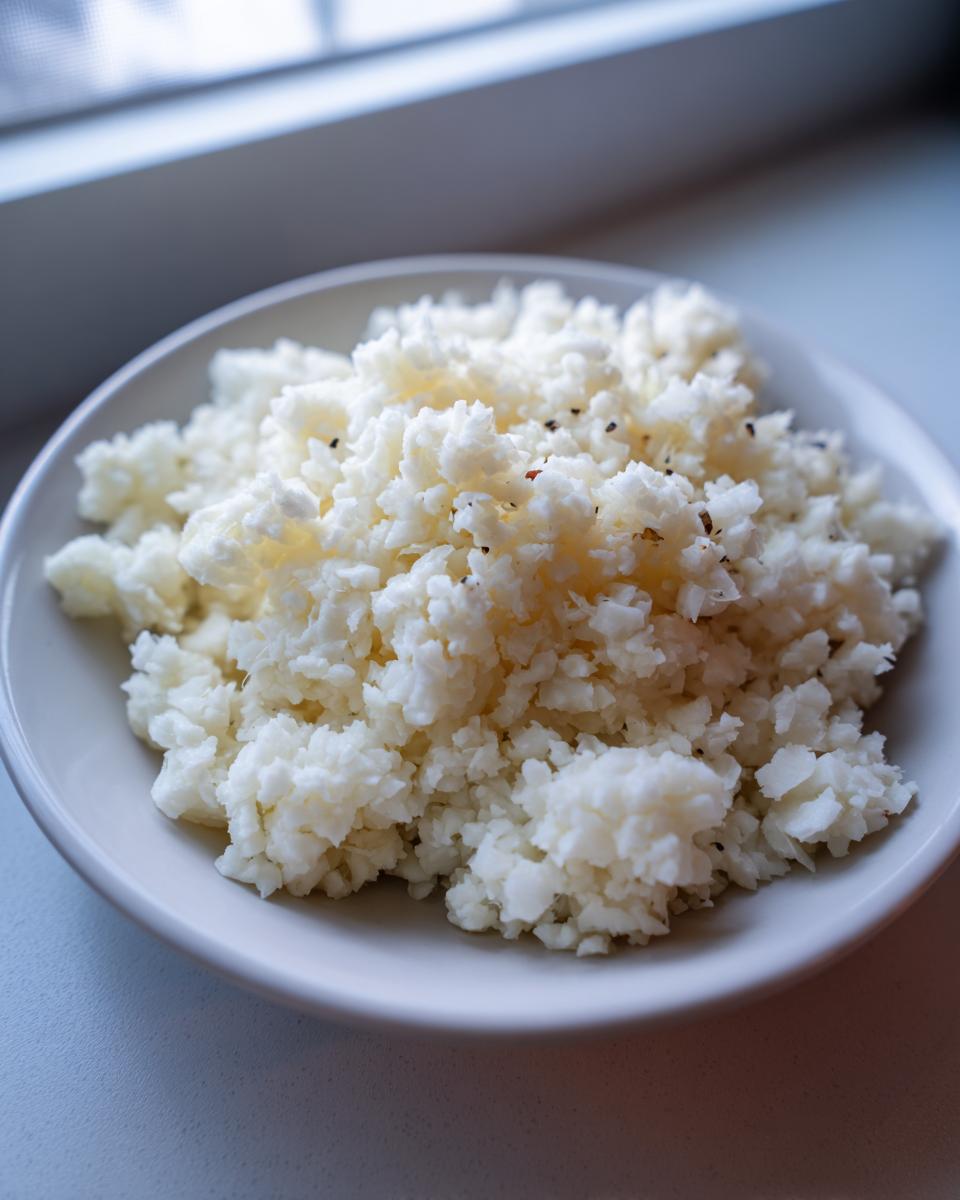
The Secret to Perfect Cauliflower Rice Texture
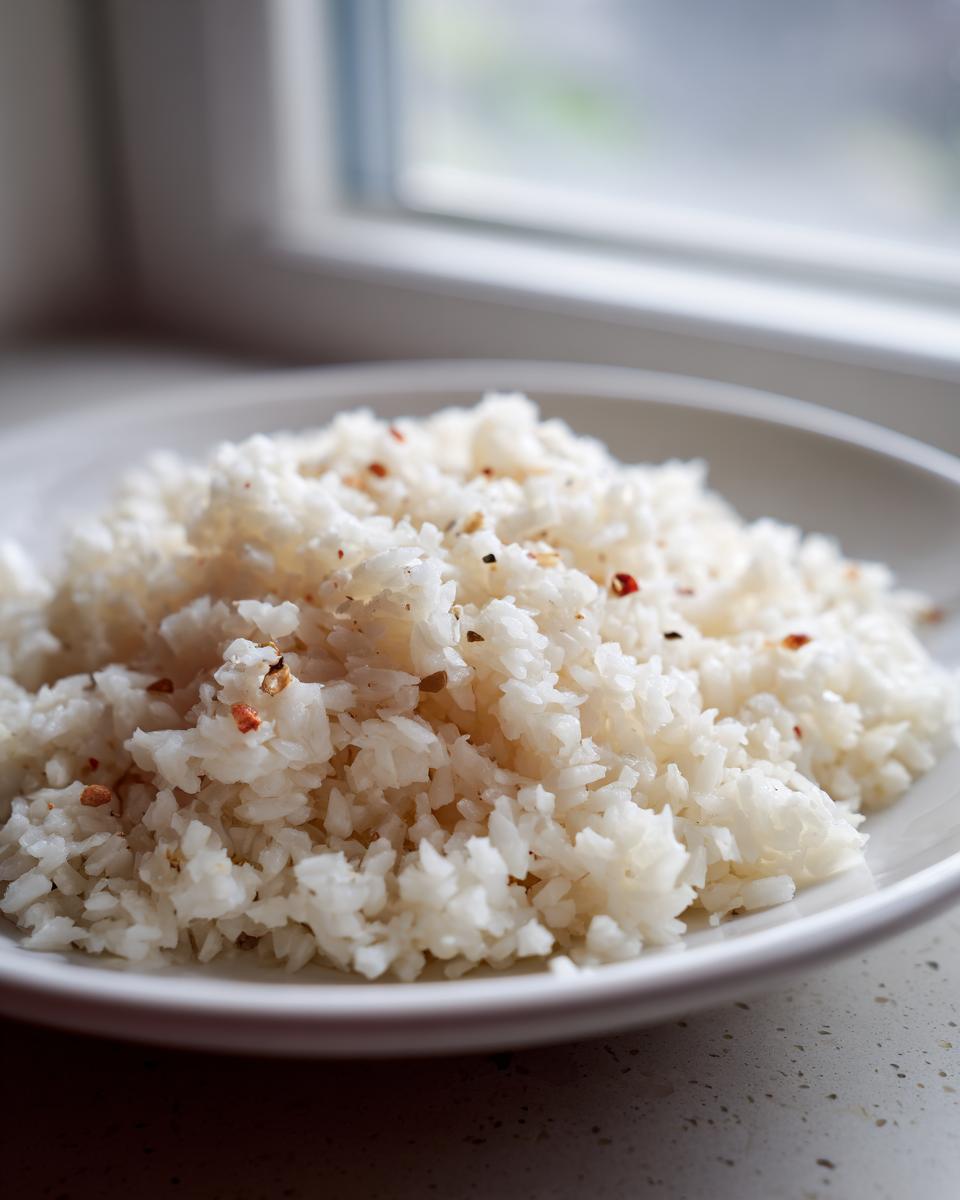
Listen up, because this is critical: You are breaking down florets, not making paste! If you just let that food processor run continuously, you’ll end up with wet sludge that steams instead of sautés. You need to pulse it short and sharp—almost like hitting the stop button every second. Keep your eye on the bowl. You want pieces that look intentionally shaped like grains of rice. This technique alone prevents that soggy texture that ruins the whole batch!
Essential Ingredients for Making Cauliflower Rice
This recipe seriously relies on the freshest, simplest elements. I didn’t want you hunting through specialty stores for some exotic grain substitute; we’re using real food! Because we are keeping this recipe super straightforward—a true side dish staple—you only need five things. When you see the ingredient list, you’ll realize just how quickly you can get this on the table.
Here is exactly what you need ready to go before you even touch the food processor:
- 1 medium head of cauliflower (aiming for about 2 lbs—that’s usually one standard head!)
- 1 tablespoon olive oil (use a good quality one since it’s a main flavor component)
- 1 clove garlic, minced (I mean really minced, guys, we want flavor, not giant chunks!)
- 1/4 teaspoon salt
- 1/8 teaspoon black pepper
That’s it! See? No obscure items, no major expense. This minimal list is why this preparation is such a fantastic weeknight option. It proves you don’t need a ton of components to make a successful, flavorful low carb side dish.
How to Make Cauliflower Rice: Step-by-Step Instructions
So, you’ve gathered your few ingredients, and now you’re ready for the magic! This process for **how to make cauliflower rice** is quick—we are talking under 20 minutes total. My priority here is always to manage moisture because that’s where most people run into trouble. Follow these steps exactly, and you’ll have the fluffiest, most versatile veggie rice ready to go. Don’t forget that once cooked, this is the perfect base for any of the flavor additions we cover next, or you can pair it immediately with your cooked protein for a super easy vegetable side dish.
Processing the Cauliflower Florets
First things first: take those florets you chopped and load them into your food processor bowl. Resist the urge to fill it to the top, though! Work in batches if you have to. This is the crucial pulsing stage I mentioned earlier. Hit the pulse button for maybe one second, then stop. Check it. Pulse again, stop. You are aiming for a texture that strongly resembles grocery store rice grains—tiny, separate, and uniform. If you see anything starting to look pasty or wet, you’ve processed too long! Take the processed pieces out and check the visual consistency before going to the next batch.
Sautéing Your Cauliflower Rice for Best Flavor
Once you have your beautiful ‘rice,’ it’s time to cook it fast. Heat that olive oil in a large skillet over medium heat—don’t use high heat, we don’t want burnt garlic! Toss in your minced garlic and let it get fragrant for just 30 seconds; you want that lovely aroma, not bitterness. Then dump in all your processed cauliflower rice. The most important instruction here is to keep stirring! You need to let the water evaporate. Spend about 5 to 7 minutes sautéing, moving it constantly, until you see the rice looking drier and slightly tender-crisp. That’s your cue to season it up with salt and pepper and pull it straight off the heat!
Flavor Variation 1: Quick Garlic Butter Cauliflower Rice
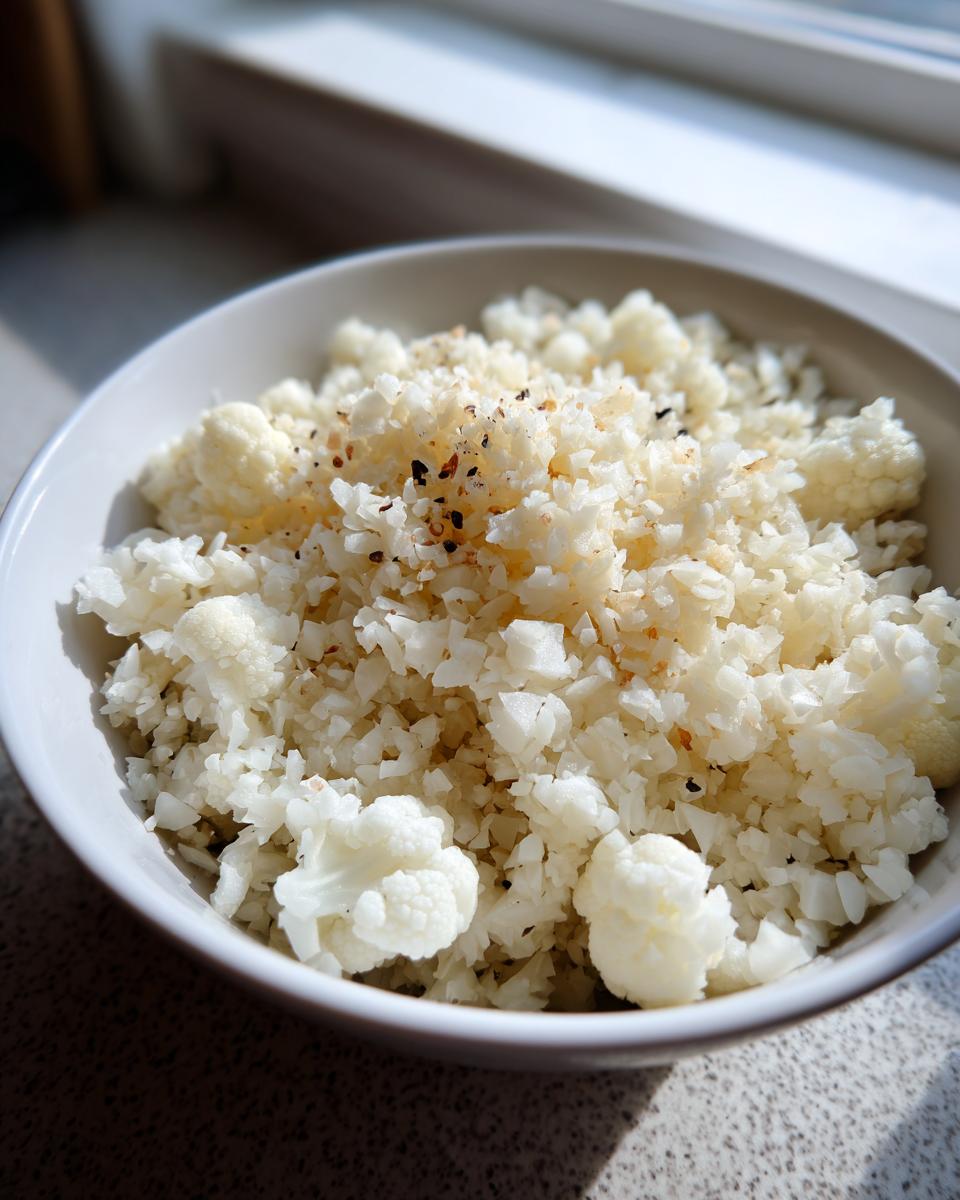
Okay, once you have your base of perfectly fluffy **cauliflower rice** cooked—especially after you’ve sautéed out all that excess moisture—it becomes the most incredible vehicle for flavor. If you’re looking for something beyond just salt and pepper, you absolutely have to try this simple twist. The rich toastiness of garlic butter takes this low-calorie base and turns it into something completely addictive. I use this technique all the time when I need a satisfying **garlic butter cauliflower rice** in a pinch!
The beauty here is its speed. Right after the cauliflower rice is cooked and most of its liquid has evaporated (Step 6 in the main instructions), kill the heat. Then, immediately stir in one tablespoon of good quality butter until it melts completely, coating every grain. Add that minced garlic back in if you want a stronger punch, or just use the garlic already infused from the original sauté. A tiny sprinkle of fresh parsley makes it look gourmet, but honestly, the butter does 90% of the work. It’s proof that your grain-free recipe doesn’t have to be boring!
If you need some inspiration for using rich, flavorful fats like this, check out my recipe for easy homemade garlic butter—you can use that same compound butter for extra depth!
Flavor Variation 2: Creamy Cauliflower Rice for a Comforting Side Dish
Sometimes you just need that rich, velvety texture, right? Something that feels indulgent but keeps you perfectly on track with your healthy eating goals. This is where we turn our basic **cauliflower rice** into a decadent **low carb side dish**. Don’t worry about the texture becoming that mush we fight so hard to avoid; we are adding creaminess right at the end, after the sautéing is complete.
The trick to achieving that luxurious mouthfeel without adding loads of heavy ingredients is using high-fat, flavor-packed liquids. You can stir in just two tablespoons of full-fat cream cheese right off the heat until it melts beautifully into the grains. Or, for a slightly different profile, use a splash of unsweetened coconut milk—it’s amazing!
This adaptation lets the cauliflower rice absorb all that richness, turning it into something that feels more like risotto than a simple side. It’s fantastic next to chicken or when you are making a lighter version of a casserole. If you love the idea of coconut creaminess, you can peek at how I use that flavor profile in my easy coconut curry soup recipe for more inspiration on balancing flavor and texture. For even more ideas on making this creamy, check out the experts over at Julia’s kitchen here: healthy creamy coconut cauliflower rice.
Flavor Variation 3: Delicious Low-Carb Cauliflower Fried Rice Recipe
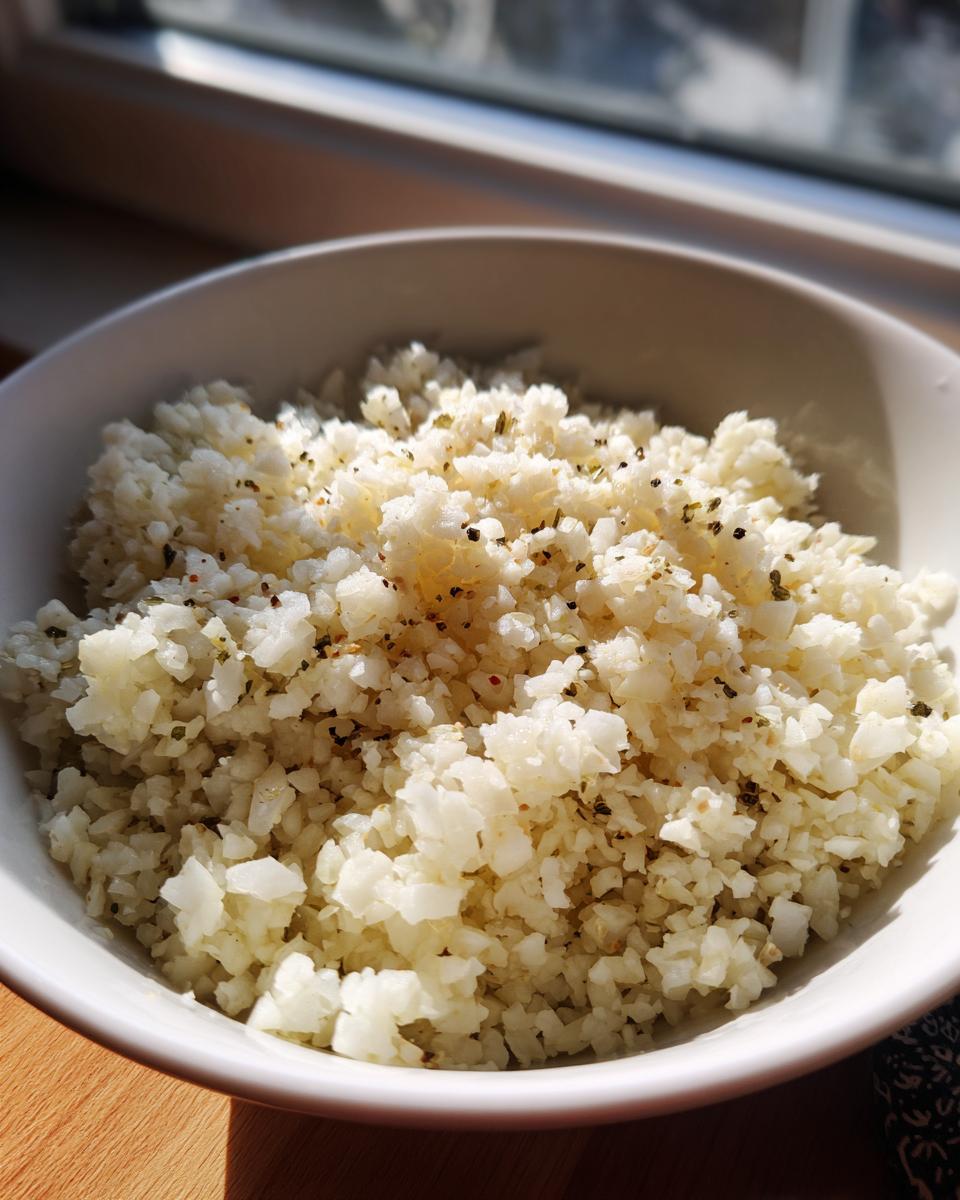
If you’re anything like me, sometimes only takeout flavor will hit the spot, but we definitely don’t have time to wait for delivery—and we sure don’t need all that sodium and processed oil! That’s why transforming our fluffy base into a sensational **cauliflower fried rice recipe** is a game-changer. This is a vibrant, **quick weeknight side** that completely satisfies that craving for Asian-inspired flavors. It shows you just how far this simple vegetable rice can go!
Once you have your perfectly sautéed and dried-out base—remember, dry is the key so it doesn’t steam—you just push all that rice to one side of your large skillet. Add a drizzle more oil to the empty side, then quickly scramble one beaten egg right there. Once the egg is mostly set, stir it all together with the rice. Then, toss in whatever you have: some frozen peas and shredded carrots work great for color and texture. Finish it off with just a splash of low-sodium soy sauce (or coconut aminos if you’re strict keto) and a dash of sesame oil for that authentic scent. It comes together faster than ordering delivery, honestly! If you like experimenting with bold flavors, you might also like my quick and easy homemade BBQ sauce recipe.
For another fantastic take on this dish that keeps the carbs super low, you should absolutely see the technique they use over at Sugarless Crystals: Cauliflower Fried Rice Recipe.
Tips for Cauliflower Meal Prep and Storage
This is one of my absolute favorite things about this side dish—it’s a saint when it comes to planning ahead! For me, the key to surviving a busy week is being able to do things upfront, and this recipe is perfect for **cauliflower meal prep**. If you’re trying to save time on those frantic weeknights, this tip is truly a lifeline. You don’t want to cook it and then reheat it; the texture just doesn’t hold up as well, in my opinion. The secret is prepping the raw ingredient!
You can absolutely process your fresh cauliflower now and save it for later. Just follow the initial pulsing steps in the recipe until it looks exactly like rice, but DO NOT cook it yet! We want that raw, grainy texture. Once processed, transfer all the raw ‘rice’ into an airtight container. Keep it chilled in the refrigerator, and it will be perfect for up to three full days. This means when you get home exhausted, you just pull out your container, sauté for seven minutes, and you have a fresh **easy vegetable side**!
If you need to make a bigger batch for the whole week, you can definitely freeze the raw, processed material too. Just spread it out thinly on a baking sheet first, freeze it solid, and then transfer it to a freezer bag. That initial quick freeze stops the grains from clumping together into one giant frozen log. As for cooked leftovers? They are best eaten the next day, but if you are looking for bulk recipes designed specifically for planning ahead, you have to check out my high-protein chili recipe for quick meal prep!
Frequently Asked Questions About Cauliflower Rice
I know you might still have a couple of sticking points, especially when swapping out a staple like regular rice! It’s totally normal. When you’re trying to make a change, even a great one like using this **versatile veggie rice**, you need clarity. I’ve gathered some of the questions I hear most often from readers who are just starting to rely on this as their go-to **low calorie rice base**. Hopefully, this clears up any last lingering doubts so you can feel confident making this healthy modification tonight!
Can I use frozen cauliflower instead of fresh to make cauliflower rice?
Yes, you absolutely can! Using frozen is a major shortcut, especially if you’re already short on time. However, there is a big caveat, so listen closely. If you put frozen cauliflower straight into the food processor, it gums up instantly and turns to soup. You need to let the frozen cauliflower thaw completely first. Once thawed, place it in a clean kitchen towel or heavy-duty paper towels, twist it tight, and squeeze out every last drop of water you can manage. Seriously, wring it out like a wet sponge! If you skip that wetting step, your final product will be way too watery, even after sautéing.
What is the best way to use cauliflower rice as a keto rice substitute?
When using this as your **keto rice substitute**, the goal is mimicking that slightly chewy, independent texture of cooked white rice, right? The key is making sure you cook out *all* the moisture during the sautéing phase. Don’t be shy about letting it cook down until it looks genuinely dry in the pan. This ensures it absorbs the fats and seasonings you add—like the garlic butter or the soy sauce for fried rice—instead of just sitting in a pool of cauliflower water. When it’s this dry and seasoned well, it becomes the most satisfying **grain free recipe** base you can find!
If you’re looking for more ways to keep your meals exciting while staying low-carb, make sure you check out my recipe for the keto pizza crust—it uses similar principles for texture!
Nutritional Snapshot of This Versatile Veggie Rice
I always wrap up by giving you a peek at the numbers, because knowing what you’re putting into your body is important, especially when you’re actively looking for a healthy rice alternative. Now, hold on a second—I have to be clear, since I’m a home cook sharing recipes I love, not a registered dietitian! The numbers I give you here are solid estimates based on the amounts used in the core recipe, but they can shift slightly based on the exact size of your cauliflower head.
But gosh, look at those figures! When you swap out traditional white or brown rice for this preparation, you see massive benefits across the board. It’s amazing what happens when you’re eating nutrient-dense, versatile veggie rice instead!
Here’s the estimated breakdown per serving size:
- Serving Size: 1 cup cooked
- Calories: Roughly 50 Calories (Yes, fifty!)
- Total Fat: Only about 3 grams
- Total Carbohydrates: Just 5 grams
- Fiber: A nice boost with 2 grams helping you feel satisfied
- Protein: About 3 grams
This is why this preparation is such a favorite for those of us managing carb intake or just looking for a super **low calorie rice base**. It lets you load up your plate with flavor from the garlic butter or the fried rice additions without worrying about bloating or spiking your energy too much. It’s proof that quick, simple food can also be incredibly good for you!
PrintFluffy Cauliflower Rice: The Essential Low-Carb Side Dish
Learn how to make perfect, fluffy cauliflower rice from scratch. This recipe serves as a versatile, low-carb side dish that absorbs flavor well, making it a great keto rice substitute for any meal.
- Prep Time: 10 min
- Cook Time: 7 min
- Total Time: 17 min
- Yield: 4 servings 1x
- Category: Side Dish
- Method: Sautéing
- Cuisine: American
- Diet: Low Fat
Ingredients
- 1 medium head of cauliflower (about 2 lbs)
- 1 tablespoon olive oil
- 1 clove garlic, minced
- 1/4 teaspoon salt
- 1/8 teaspoon black pepper
Instructions
- Prepare the cauliflower: Remove the outer leaves and chop the cauliflower into florets.
- Process the florets: Place the florets into a food processor. Pulse in short bursts until the cauliflower resembles grains of rice. Do not over-process, or it will become mushy.
- Cook the rice: Heat the olive oil in a large skillet over medium heat. Add the minced garlic and cook for 30 seconds until fragrant.
- Add the cauliflower rice to the skillet. Sauté for 5 to 7 minutes, stirring often, until the rice is tender-crisp and any excess moisture has evaporated.
- Season with salt and pepper. Serve immediately as a healthy rice alternative or use as a base for other dishes.
Notes
- For best results and the fluffiest texture, avoid washing the cauliflower after processing. If you must wash it, dry it thoroughly before cooking.
- You can make cauliflower rice ahead of time. Store the raw, processed rice in an airtight container in the refrigerator for up to 3 days.
- To achieve a grain-free recipe texture, cook until almost all liquid has evaporated.
Nutrition
- Serving Size: 1 cup cooked
- Calories: 50
- Sugar: 2
- Sodium: 150
- Fat: 3
- Saturated Fat: 0.5
- Unsaturated Fat: 2.5
- Trans Fat: 0
- Carbohydrates: 5
- Fiber: 2
- Protein: 3
- Cholesterol: 0