

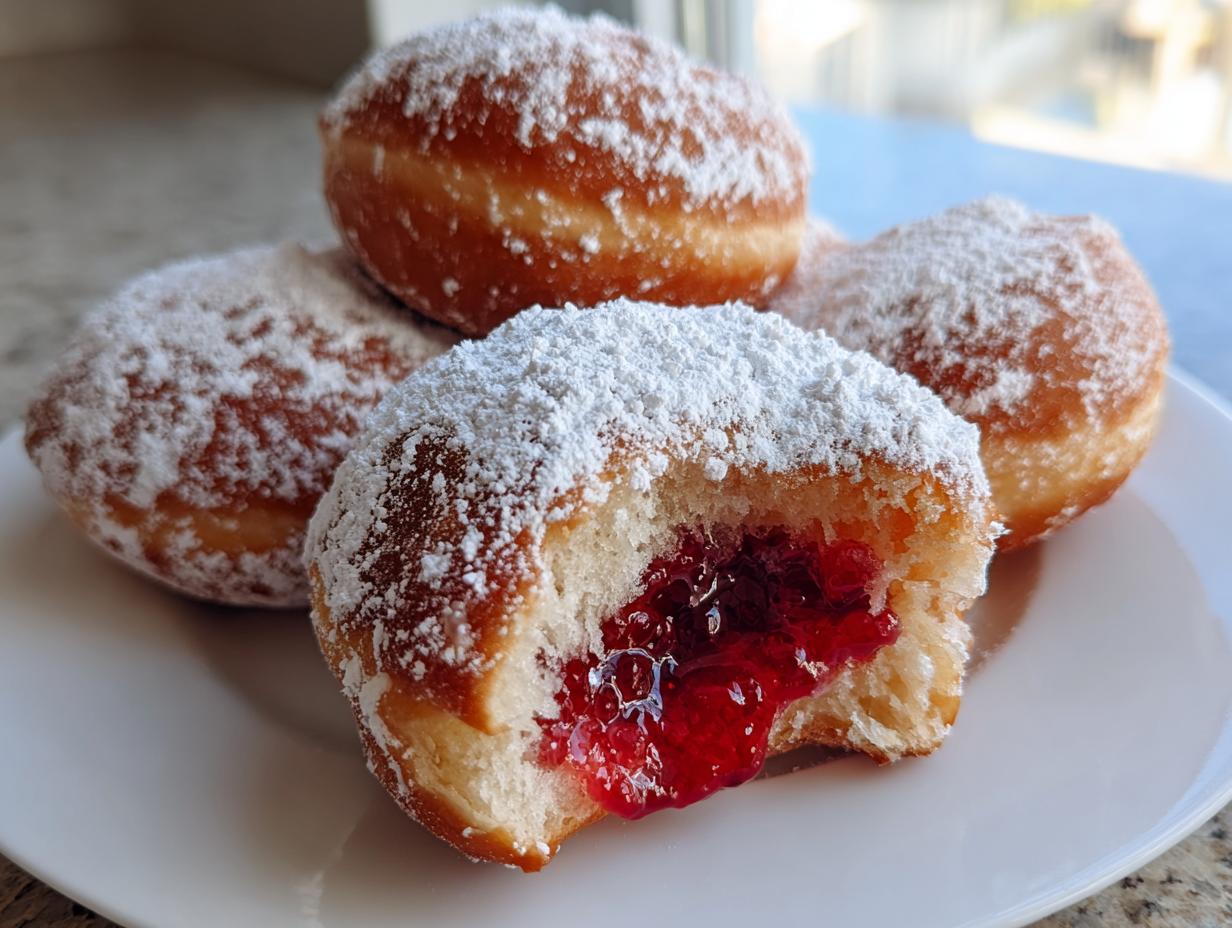
Oh, Hanukkah! There’s truly nothing like that smell of oil hitting the heat combined with the subtle scent of yeast just before the Festival of Lights begins. When I think about tradition, I think about light, and for our home, that means making incredible, fluffy, jelly-filled sufganiyot. Forget the fussy bakery ones; this recipe strips it all back to basics. It’s my straightforward, authentic way to create those essential, beautiful fried treats. Trust me, making your own traditional Hanukkah food brings a whole different kind of joy to the celebration, and this recipe is surprisingly simple to master.
We’re using the best jam filling and making the dough entirely from scratch. I promise you, once you pull these golden rounds out of the fryer, you’ll realize why they are such a beloved staple. We just want that perfect puff! If you want to know more about why I focus on time-honored methods made simple, you can check out my story here.
- Why You Will Make Authentic Sufganiyot Every Year
- Essential Ingredients for Perfect Sufganiyot
- Expert Tips for Making Your Sufganiyot Dough
- Step-by-Step Instructions: How to Make Sufganiyot
- Ingredient Notes and Substitutions for Sufganiyot
- Tips for Success When Making Traditional Hanukkah Food
- Storing and Reheating Your Homemade Sufganiyot
- Frequently Asked Questions About Sufganiyot Recipe Easy
- Share Your Traditional Hanukkah Food Experience
Why You Will Make Authentic Sufganiyot Every Year
I know sometimes making fried dough seems intimidating—like something only the pros attempt! But I’ve been perfecting this recipe for years, and I promise these are easier than you think. Here are just a few reasons I keep reaching for this exact recipe:
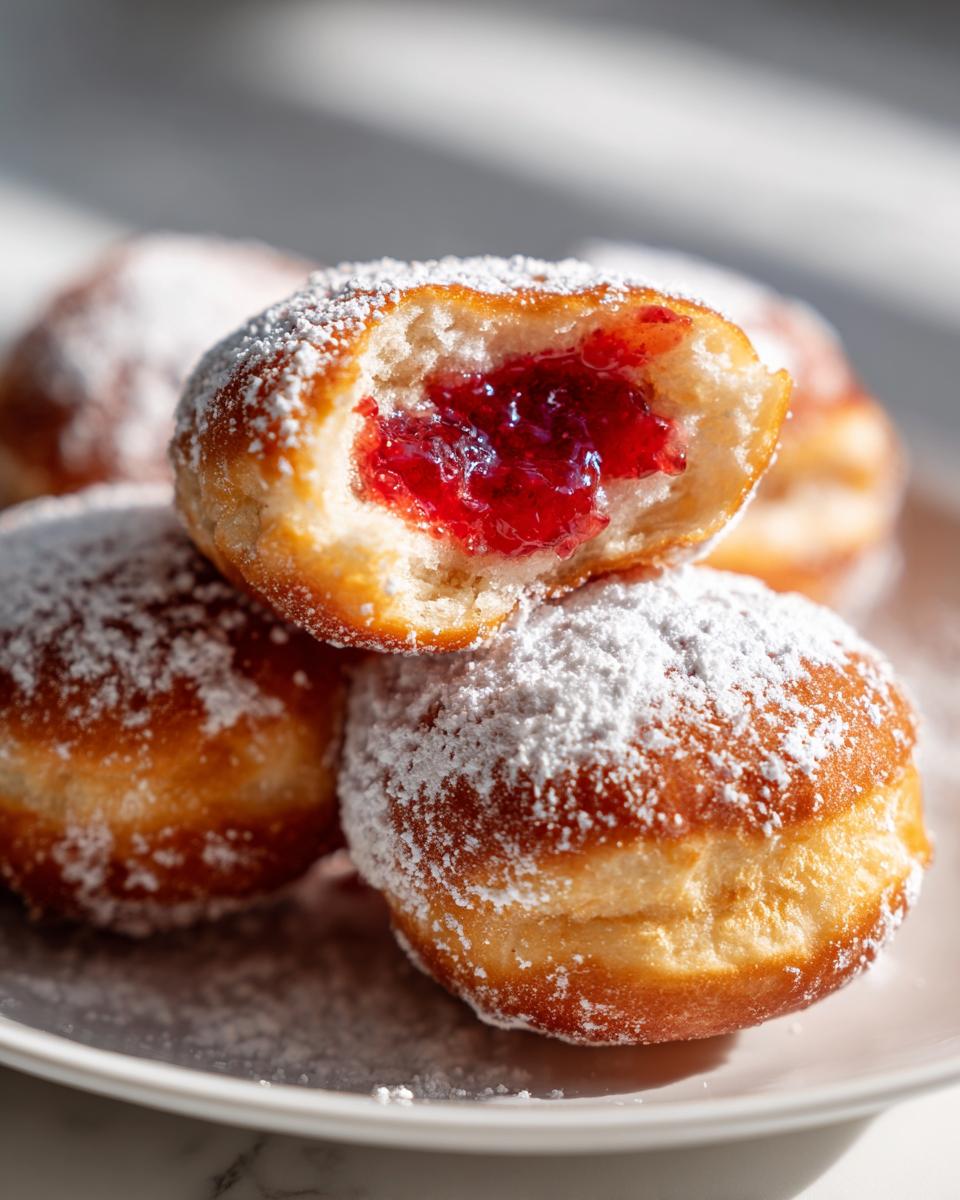
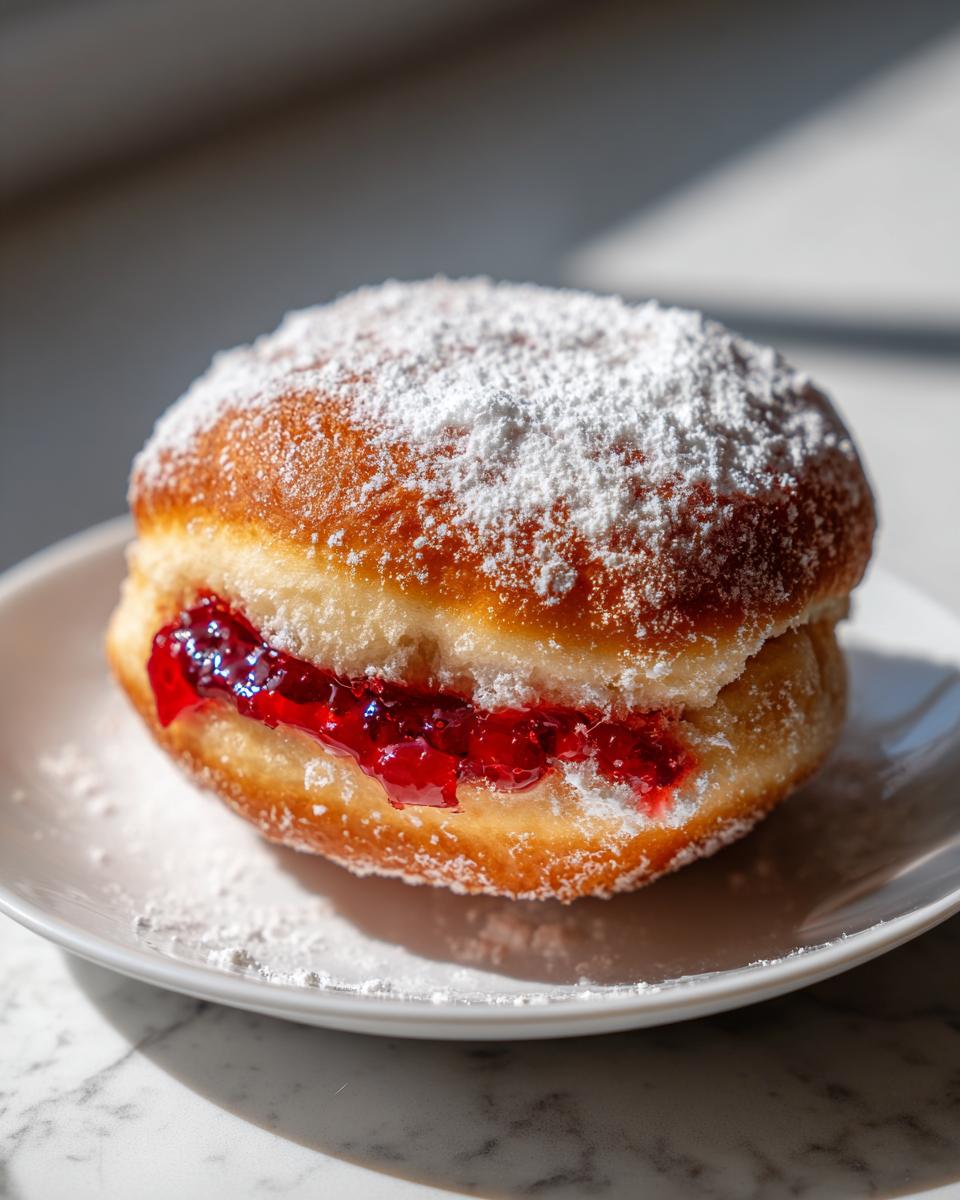
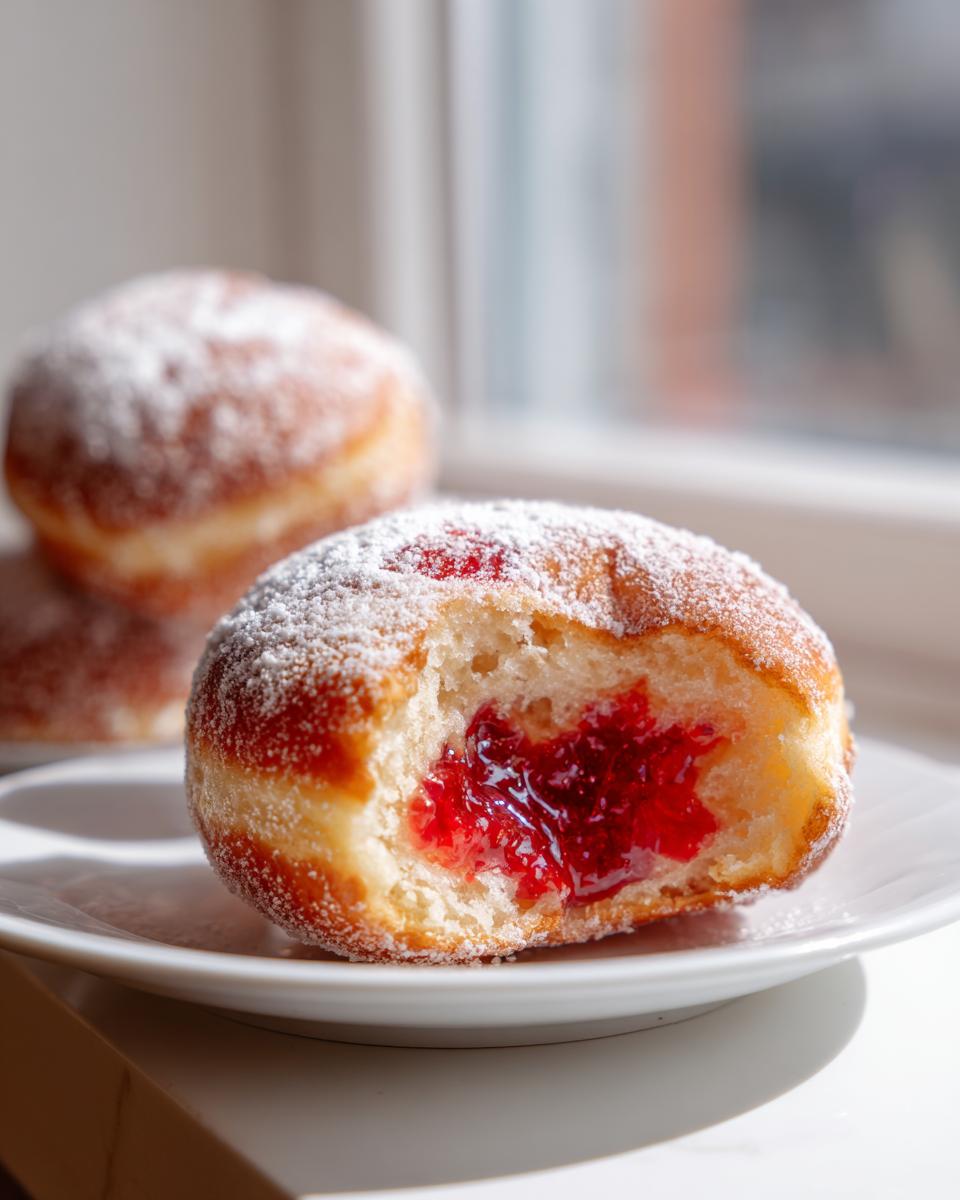
- They puff up beautifully! We get that perfect, pillowy shape with the signature white ring around the middle, which tells you the oil temperature was spot on.
- The dough is surprisingly forgiving. It’s soft and elastic, which makes rolling and cutting the circles practically stress-free.
- You control the filling! You can go traditional strawberry or raspberry, or get wild with lemon curd or chocolate. No more settling for whatever preserves the store decides to sell.
- It smells like pure Hanukkah. The scent of the frying dough and the sweet jam filling is what true holiday magic smells like in my kitchen.
- This is a straightforward, traditional recipe. There are zero weird steps or exotic ingredients involved, just simple flour, yeast, sugar, and oil.
Essential Ingredients for Perfect Sufganiyot
Okay, ingredient list time! When you are making something as fundamental as sufganiyot, using the right stuff matters a ton. I laid out the full list for you above, but I need you to pay close attention to a few details, especially since these are going to be deep-fried and filled with preserves.
First, make sure that milk is just warm—not hot! We need it sitting between 105°F and 115°F so our yeast wakes up happy. Also, please, please use room temperature eggs; they blend so much better into the liquid base. If your eggs are straight from the fridge, just pop them in a bowl of warm water for five minutes. Don’t skip the salt—even in sweet dough, salt is necessary to balance things out and strengthen your gluten structure. Everything else is pretty straightforward pantry stock for this delicious traditional Hanukkah food.
Expert Tips for Making Your Sufganiyot Dough
Getting the dough right is honestly 80% of the battle when it comes to making amazing sufganiyot. You can totally nail the frying, but if the dough isn’t perfect, you won’t get that heavenly, light texture we’re aiming for. My biggest piece of advice is patience during the yeast stage: if it doesn’t foam up like a tiny, bubbly cloud, you need to toss that batch and start over. Cold milk or dead yeast equals flat doughnuts, and honestly, nobody wants that!
Also, remember my rule about room temperature ingredients? It seriously helps build a smooth reaction when you start mixing everything together. It ensures the dough comes together without needing too much extra flour, which is key for that light inside texture.
Achieving the Right Dough Consistency
When the recipe says “soft, slightly sticky dough,” what do I mean? It means when you stop kneading, a tiny bit should cling to your fingers, but it should mostly hold its shape. If you dump in too much flour to stop the stickiness, you end up with tough doughnuts that soak up way too much oil. Eight solid minutes of kneading creates the structure we need. That kneading builds the gluten so the light dough can trap that hot air when it hits the fryer later on!
Step-by-Step Instructions: How to Make Sufganiyot
Alright, let’s get into the fun part and show you exactly how to make sufganiyot that look and taste like they came straight from that perfect little market stall in Jerusalem. Timing is everything here, especially with the resting periods. Don’t rush the rises! Those bubbles are what make the doughnuts light and fluffy inside. Once the dough has doubled the first time, punch it down gently—we want to keep some of that beautiful trapped air.
When you cut your shapes, try pressing down just slightly as you use the cutter. This helps seal the edges so you get that defined white line when they fry. After the second, shorter rise, they are ready for the oil bath. This whole process builds character into your traditional Hanukkah food, I promise!
Controlling the Frying Temperature for Ideal Sufganiyot
This is where many people panic, but it’s so simple: use a thermometer! You absolutely must keep your oil steady between 340°F and 360°F, aiming right for 350°F. If the oil is too cool, your beautiful sufganiyot will soak it up like a sad sponge and you’ll have heavy, greasy messes. Never, ever crowd the pot either; only drop in three or four at a time. Allowing them space means the heat stays consistent around each one, giving you that perfect, even golden color on both sides.
The Art of Filling Your Doughnuts
Let those fried rounds cool on the paper towels for just a minute or two—if they’re piping hot, the jam will just spill right out! Fill a piping bag with your favorite jam and put on that long, narrow tip. Poke the tip gently into the side of the sufganiyah, near the edge. Squeeze until you feel the doughnut get delightfully heavy, usually about a tablespoon. You want a good, satisfying filling in every single sufganiyot!
- Activate the yeast: In a small bowl, dissolve 1 teaspoon of sugar in the warm milk. Sprinkle the yeast over the top and let it sit for 5 to 10 minutes until foamy.
- Mix the dough: In a large bowl, whisk together the remaining 1/4 cup sugar, eggs, vanilla extract, and salt. Add the yeast mixture and stir.
- Gradually add the flour, mixing until a soft, slightly sticky dough forms.
- Knead the dough: Turn the dough out onto a lightly floured surface and knead for about 8 minutes until smooth and elastic.
- First rise: Place the dough in a lightly oiled bowl, turning to coat. Cover the bowl with plastic wrap and let it rise in a warm place for 1 to 1.5 hours, or until doubled in size.
- Shape the doughnuts: Punch down the risen dough. On a lightly floured surface, roll the dough out to a 1/2-inch thickness. Use a 2.5-inch round cutter to cut out circles.
- Second rise: Place the dough circles on parchment-lined baking sheets. Cover loosely and let them rise again for 30 minutes.
- Heat the oil: Pour vegetable oil into a deep, heavy-bottomed pot or Dutch oven to a depth of about 2 inches. Heat the oil to 350°F (175°C). Use a thermometer to monitor the temperature.
- Fry the sufganiyot: Carefully place 3 or 4 dough rounds into the hot oil, ensuring not to overcrowd the pot. Fry for 1 to 2 minutes per side until golden brown. They should puff up as they cook.
- Drain: Remove the doughnuts with a slotted spoon and place them on a wire rack lined with paper towels to drain excess oil.
- Fill the doughnuts: Once slightly cooled, use a piping bag fitted with a long, thin tip to inject about 1 tablespoon of jam into the center of each sufganiyah.
- Finish: Dust generously with powdered sugar before serving.
Don’t forget, you can read up on my privacy standards here: Privacy Policy Details.
Ingredient Notes and Substitutions for Sufganiyot
Let’s chat quickly about the fillings because that’s where people get creative—or sometimes stuck! If you don’t have strawberry or raspberry jam readily available, don’t stress. You can absolutely use apricot, blueberry, or even a good quality plum butter. The key here is that whichever jam you choose for your sufganiyot, use the best tasting one you can find! Since it’s the star of the show inside that fluffy dough, a cheap, runny jam just won’t cut it.
What about the yeast? This recipe calls for active dry yeast, which I find is the most reliable for deep-fried doughs. If you only have instant yeast on hand, that’s fine! You can skip the step of dissolving it in the milk; just dump the instant yeast right in with your dry flour mixture later on. That simple swap keeps the yeast happy and ensures your sufganiyot rises perfectly every time.
Tips for Success When Making Traditional Hanukkah Food
I have a few final tricks up my sleeve that always help elevate these from good doughnuts to truly spectacular traditional Hanukkah food. These little secrets guarantee you that light, melt-in-your-mouth interior and that beautiful visual marker of a perfectly fried treat.
First, let’s talk about the white ring. That signature pale band circling your doughnut? It means your oil temperature was spot-on, and you didn’t flip it too soon! Wait until the bottom is a deep, rich golden brown before you even think about turning it over. That slight pause lets the steam build up inside, creating that puffy effect.
Second, when you are rolling out the dough, try to leave the center slightly thicker than the edges. When the edges cook faster, they puff up and help lift the center while minimizing the chance of the raw middle sinking.
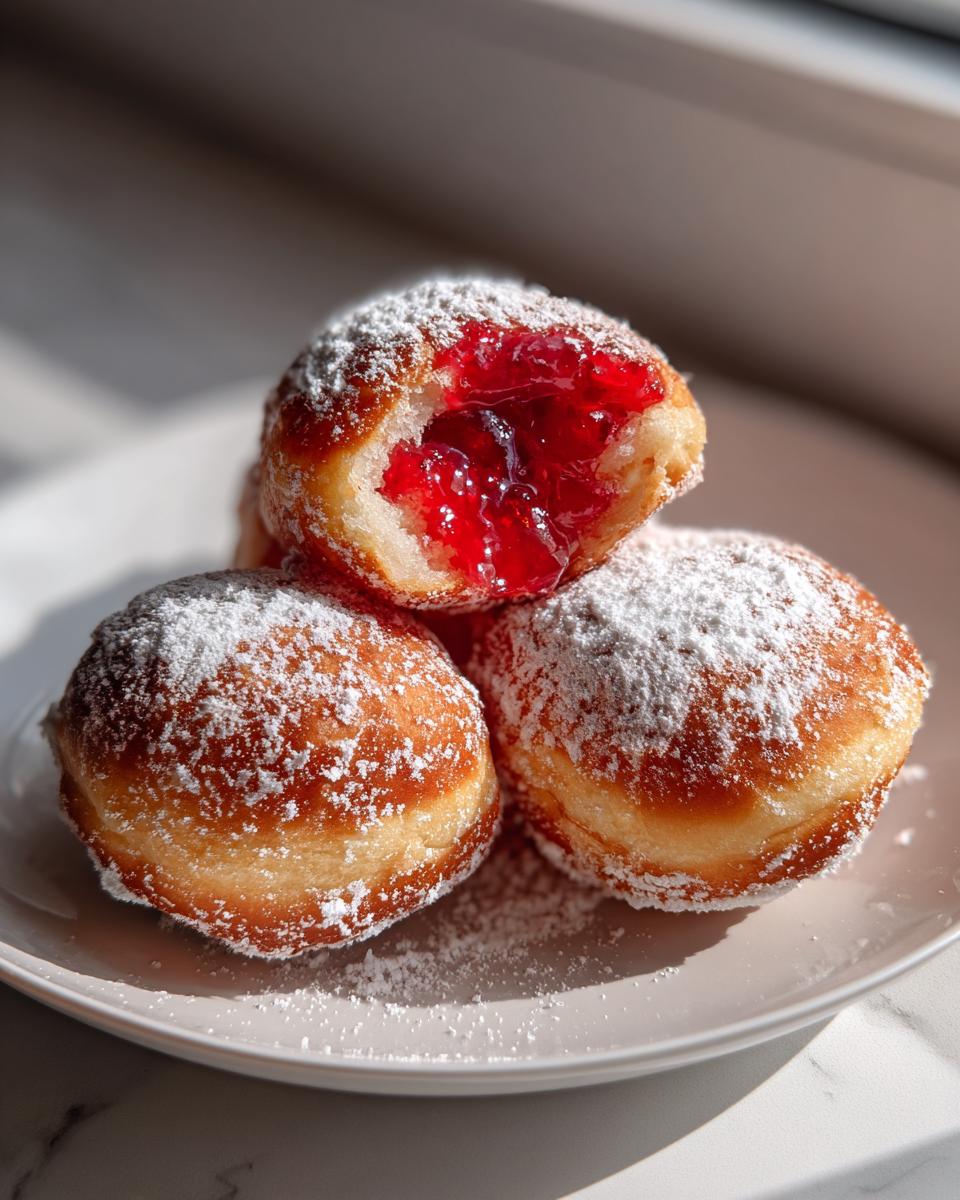
Finally, dust everything generously with powdered sugar right before serving, but keep the excess sugar off the rack where you drained them. If you try to fill a hot, sugar-crusted doughnut, the powdered sugar melts instantly into a sticky mess rather than staying light and fluffy on top.
Storing and Reheating Your Homemade Sufganiyot
Honestly, you should try to eat all your sufganiyot within a few hours of making them. That golden, crisp exterior just doesn’t last past day one, no matter what you do! If you absolutely have leftovers, keep them covered loosely at room temperature—never the fridge, because that ruins the texture.
When you reheat them, the best trick is a quick burst in the oven, maybe 350°F for just four minutes. This helps crisp the outside back up a little before you dust them with fresh powdered sugar. If you want them filled, refill them only right before serving, or the jam soaks into the dough and makes them soggy.
Frequently Asked Questions About Sufganiyot Recipe Easy
I know every baker has questions, especially around frying, so let’s tackle a few of the most common things people ask when trying this sufganiyot recipe easy for the first time. If you’re in a rush, you might be wondering if you can just bake these instead of frying. And look, I get it, but the answer is no, not if you want authentic results! Baking them just turns them into a sweet, slightly dry roll, not the light, airy miracle we’re aiming for. Frying is what creates that signature puff and texture.
Another big worry is flatness: “Why are my doughnuts flat?” Usually, it comes down to one of two things, and it’s usually covered in my tips above! One: your oil wasn’t hot enough, so the dough just deflated instead of floating instantly. Two: you skipped that second rise. That second 30 minutes of resting time is crucial because it builds the final pockets of air needed to puff up in the hot oil.
If you’re ever looking to reach out with a general question about this recipe or anything else, please feel free to use my contact page!
Can I make the dough ahead of time?
Yes, you absolutely can, and I highly recommend it if you’re busy on Hanukkah day. Once the dough has doubled during that first rise (Step 5), you can punch it down, lightly oil it, pop it in an airtight container, and stick it in the fridge overnight. The cold slows the yeast way down. The next day, just let it sit on the counter for about 30 minutes to warm up slightly before rolling it out. This makes the whole process feel much more relaxed.
What is the best jam consistency for filling?
You want a thick, high-quality jam. If your jam is very runny, it’s going to squeeze right out when you pipe it in, or worse, it might thin out too much and make the inside soggy. If your favorite preserves are a little loose, just simmer them gently on the stove for about 5 minutes with a tiny splash of water until they thicken up a bit. That little bit of extra effort makes the final presentation of these sufganiyot so much nicer!
How do I avoid oil splattering?
Oil splattering happens mostly when water gets into it, so make sure your dough circles are completely dry on the bottom before they hit the oil—no wet spots from your counter lingering! Also, pouring liquid very slowly, rather than dumping it in, helps a ton. You will see some bubbles popping up, but if you’re using a deep, heavy pot, the majority of the splatter stays contained.
Share Your Traditional Hanukkah Food Experience
That’s it! You’ve made the most delicious batch of sufganiyot! I truly hope this recipe helps you weave some wonderful warmth and light into your Hanukkah celebration. Please come back and tell me how they turned out! Which jam did you choose? I love seeing your creations, so snap a photo and let me know what you thought of making your own traditional Hanukkah food!
PrintTraditional Hanukkah Sufganiyot

Make authentic, jelly-filled sufganiyot for your Hanukkah celebration using this straightforward recipe.
- Prep Time: 30 min
- Cook Time: 20 min
- Total Time: 2 hours 20 min
- Yield: About 18 doughnuts 1x
- Category: Dessert
- Method: Deep Frying
- Cuisine: Israeli
- Diet: Vegetarian
Ingredients
- 2 1/4 teaspoons active dry yeast
- 1/2 cup warm milk (105-115°F)
- 1/4 cup granulated sugar, plus 1 teaspoon for yeast
- 2 large eggs, room temperature
- 1 teaspoon vanilla extract
- 1/2 teaspoon salt
- 3 1/2 cups all-purpose flour, plus more for dusting
- Vegetable oil, for frying
- 1 1/2 cups strawberry or raspberry jam
- Powdered sugar, for dusting
Instructions
- Activate the yeast: In a small bowl, dissolve 1 teaspoon of sugar in the warm milk. Sprinkle the yeast over the top and let it sit for 5 to 10 minutes until foamy.
- Mix the dough: In a large bowl, whisk together the remaining 1/4 cup sugar, eggs, vanilla extract, and salt. Add the yeast mixture and stir.
- Gradually add the flour, mixing until a soft, slightly sticky dough forms.
- Knead the dough: Turn the dough out onto a lightly floured surface and knead for about 8 minutes until smooth and elastic.
- First rise: Place the dough in a lightly oiled bowl, turning to coat. Cover the bowl with plastic wrap and let it rise in a warm place for 1 to 1.5 hours, or until doubled in size.
- Shape the doughnuts: Punch down the risen dough. On a lightly floured surface, roll the dough out to a 1/2-inch thickness. Use a 2.5-inch round cutter to cut out circles.
- Second rise: Place the dough circles on parchment-lined baking sheets. Cover loosely and let them rise again for 30 minutes.
- Heat the oil: Pour vegetable oil into a deep, heavy-bottomed pot or Dutch oven to a depth of about 2 inches. Heat the oil to 350°F (175°C). Use a thermometer to monitor the temperature.
- Fry the sufganiyot: Carefully place 3 or 4 dough rounds into the hot oil, ensuring not to overcrowd the pot. Fry for 1 to 2 minutes per side until golden brown. They should puff up as they cook.
- Drain: Remove the doughnuts with a slotted spoon and place them on a wire rack lined with paper towels to drain excess oil.
- Fill the doughnuts: Once slightly cooled, use a piping bag fitted with a long, thin tip to inject about 1 tablespoon of jam into the center of each sufganiyah.
- Finish: Dust generously with powdered sugar before serving.
Notes
- Maintain the oil temperature between 340°F and 360°F for proper cooking. If the oil is too cool, the doughnuts will absorb too much oil.
- For best results, use room temperature eggs and warm milk to help the yeast activate quickly.
- You can use any fruit preserve you prefer for the filling.
Nutrition
- Serving Size: 1 doughnut
- Calories: 280
- Sugar: 18
- Sodium: 150
- Fat: 14
- Saturated Fat: 3
- Unsaturated Fat: 11
- Trans Fat: 0
- Carbohydrates: 35
- Fiber: 1
- Protein: 5
- Cholesterol: 45