

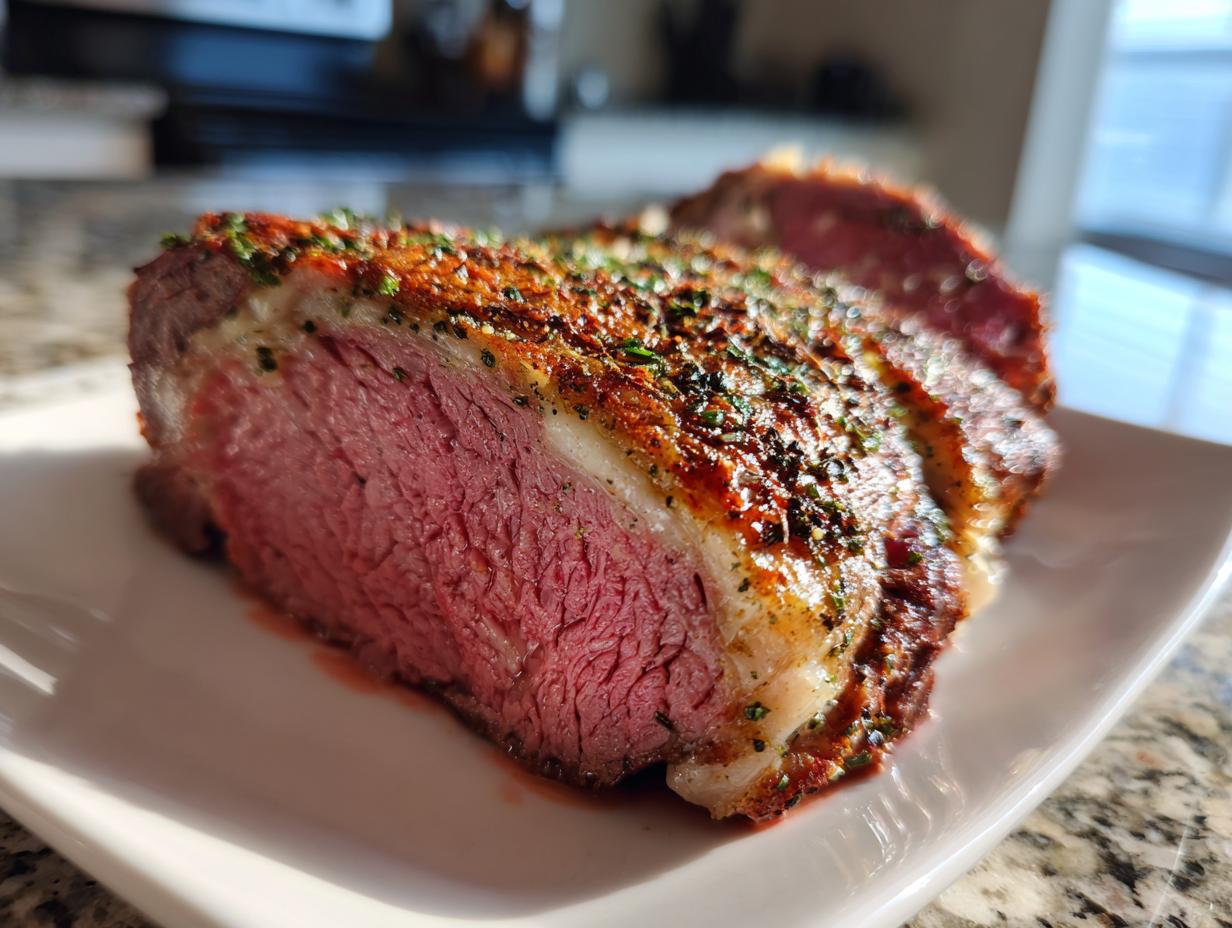
Okay, let’s talk about the star of the show, the dish that makes everyone gasp when it hits the table: the magnificent rib roast. I get it; roasting a huge piece of beef feels intimidating, like it’s reserved only for the cooking pros on TV. When I was juggling that crazy marketing career, the thought of messing up our holiday centerpiece felt impossible, which is where I started obsessing over finding an ultra-reliable, totally foolproof method.
That’s why I’m not giving you just any recipe; this is my go-to oven method that guarantees you get that impossibly tender juicy roast beef center, every single time. My mom always taught me that simple ingredients, handled with intention, make the best food, and this prime rib is proof. You can read more about my mission to bring soulful cooking back into busy lives over on my story page. Trust me, after trying this, you won’t search for another way to cook your beef.
- Why This Oven-Roasted Rib Roast Recipe Guarantees Success
- Essential Ingredients for Your Herb Crusted Rib Roast
- Step-by-Step Standing Rib Roast Instructions
- Tips for the Best Oven Roasted Beef Results
- Serving Suggestions for Your Holiday Roast Ideas
- Storing and Reheating Your Leftover Rib Roast
- Frequently Asked Questions About Cooking Rib Roast
- Nutritional Estimate for This Beef Roast
- Share Your Perfect Rib Roast Experience
Why This Oven-Roasted Rib Roast Recipe Guarantees Success
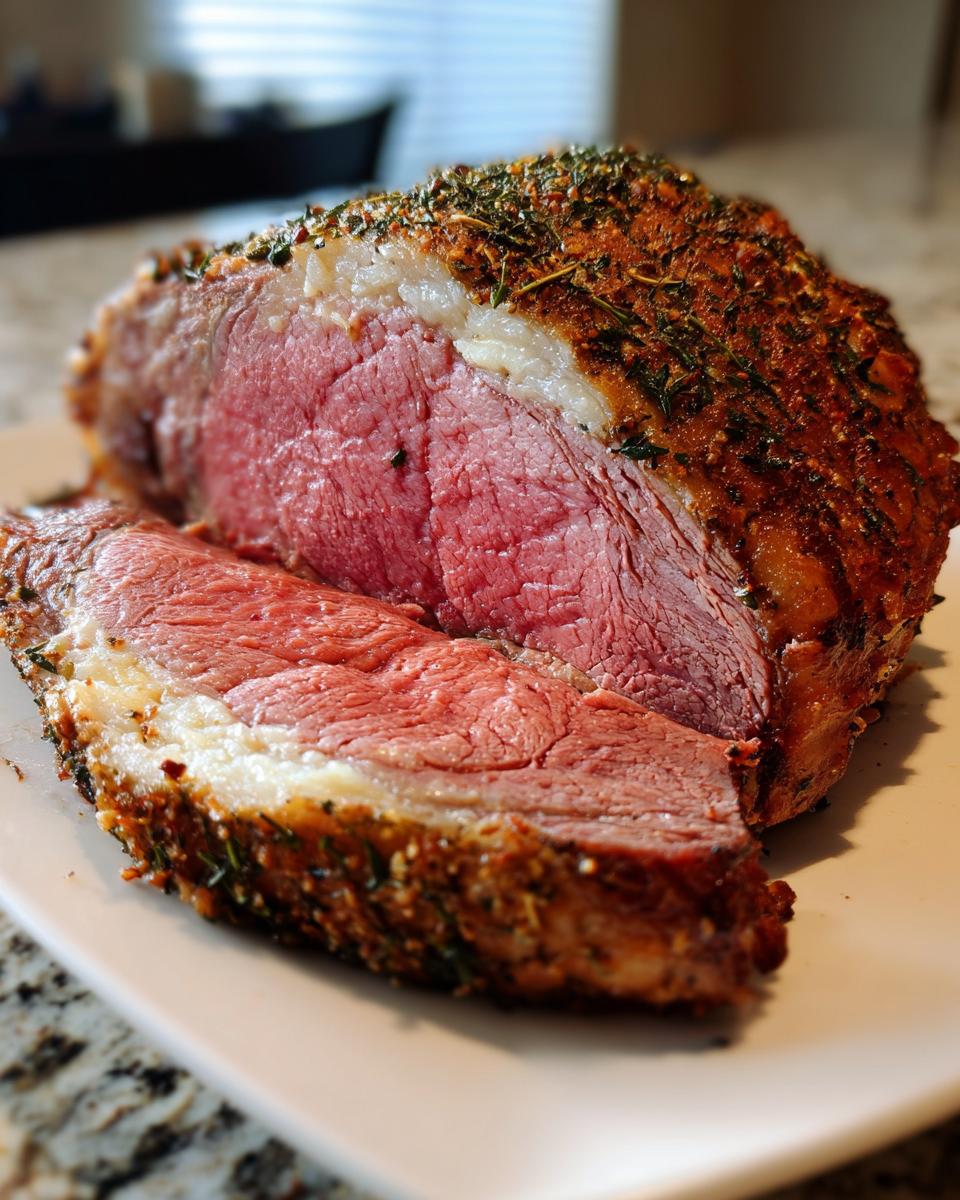
I know that when you are tackling a big, beautiful rib roast, you need zero guesswork. This two-stage oven technique is the reason this recipe shows up on so many holiday tables. It’s designed to give you that perfect gradient: amazing flavor on the outside and that melt-in-your-mouth center we’re all chasing.
You don’t have to stress about dry roasts anymore! Here is why this specific method beats everything else:
- Guaranteed Tenderness: The initial 15 minutes at a screaming hot temperature sets the crust beautifully without overcooking the inside.
- The Low and Slow Finish: Dropping the heat down to 325°F lets the meat cook evenly to your desired doneness without toughing up.
- Flavor Explosion: That herb butter rub isn’t just pretty; it bastes the meat continuously, ensuring every single slice of this tender juicy roast beef is packed with garlic and rosemary.
If you want to see how other folks make their holiday centerpiece unforgettable, check out some inspiration right here. I also have my favorite all-in-one roast recipe linked for you, just in case you need another reliable option!
Mastering the Prime Rib Internal Temperature Guide
Listen, the $15 meat thermometer you use for chicken is your best friend here. Forget timing alone; the only way to guarantee medium-rare perfection is by checking the temperature of the thickest part of the meat, avoiding the bone completely.
You absolutely must pull the roast out 5 degrees *before* your target temperature is hit because of carryover cooking. It continues to cook while it rests, and trust me, you don’t want to overshoot that beautiful edge.
Here are my must-hit targets for a truly spectacular slice:
- Rare: Pull it at 120°F
- Medium-Rare: Pull it at 125°F (This is the sweet spot, honestly!)
- Medium: Pull it at 130°F
Essential Ingredients for Your Herb Crusted Rib Roast
Okay, when it comes to a huge score like a rib roast, you can’t skimp on the flavor builders. Quality ingredients make all the difference between a good beef dinner and a legendary one. I’ve listed exactly what you need for that amazing herb butter rub. Don’t even think about using dried rosemary here; fresh herbs are non-negotiable for this kind of centerpiece!
Here’s the exact lineup:
- 1 bone-in prime rib roast (about 5-7 lbs)
- 4 tablespoons unsalted butter, softened
- 4 cloves garlic, minced
- 2 tablespoons fresh rosemary, chopped
- 1 tablespoon fresh thyme leaves
- 1 tablespoon coarse salt
- 1 teaspoon black pepper
- 1 teaspoon onion powder
- 1 teaspoon paprika
- 1 tablespoon olive oil
Felix’s Note: That softened butter needs to be spreadable but not soupy! If your butter is too soft, the herbs will just slide off the rib roast before it even hits the oven. Take it out 30 minutes before you start mixing the rub!
Step-by-Step Standing Rib Roast Instructions
This is where we turn ingredients into that show-stopping holiday meal. I’ve broken down the process into really manageable chunks because I know a massive rib roast can seem overwhelming when you’re trying to manage a whole dinner party!
Follow these steps closely, especially the timing, and you’ll have the best oven roasted beef imaginable emerge from your kitchen. We’ll rely on that two-stage heat method that really locks in the juices. Trust me, after trying this, you won’t look back. This same philosophy of making big flavor with simple timing applies even when I’m making a slow cooker pot roast!
Preparing the Roast: Tempering and Rub Application
First things first: take that beautiful roast out of the fridge at least two to three hours before you plan to cook it. This tempering step is key so the heat penetrates evenly. While it sits, mix up that glorious herb butter until it’s totally combined and creamy.
Once the time is up, pat the whole roast bone-dry with paper towels—seriously, dry meat equals a crispier outside! Rub it with a little olive oil, and then grab handfuls of that butter mixture. Press it firmly all over the meat. I like to use my hands to really massage it deep into the meat so the flavor sinks in everywhere.
The Two-Stage Cooking Process for Your Rib Roast
Time to preheat that oven to a super hot 500 degrees! This initial blast is what sets the stage for the amazing crust on your rib roast. Place the roast fat-side up on the rack in your pan and let it roast for exactly 15 minutes.
Now, resist temptation! Do not open the oven door to check on it. After those 15 minutes are up, drop the temperature way down to 325 degrees. This is the gentle part of our easy prime rib method. Keep it in here until you hit that perfect internal temperature—this is where your thermometer earns its keep!
Crucial Resting Time and Making Prime Rib with Au Jus
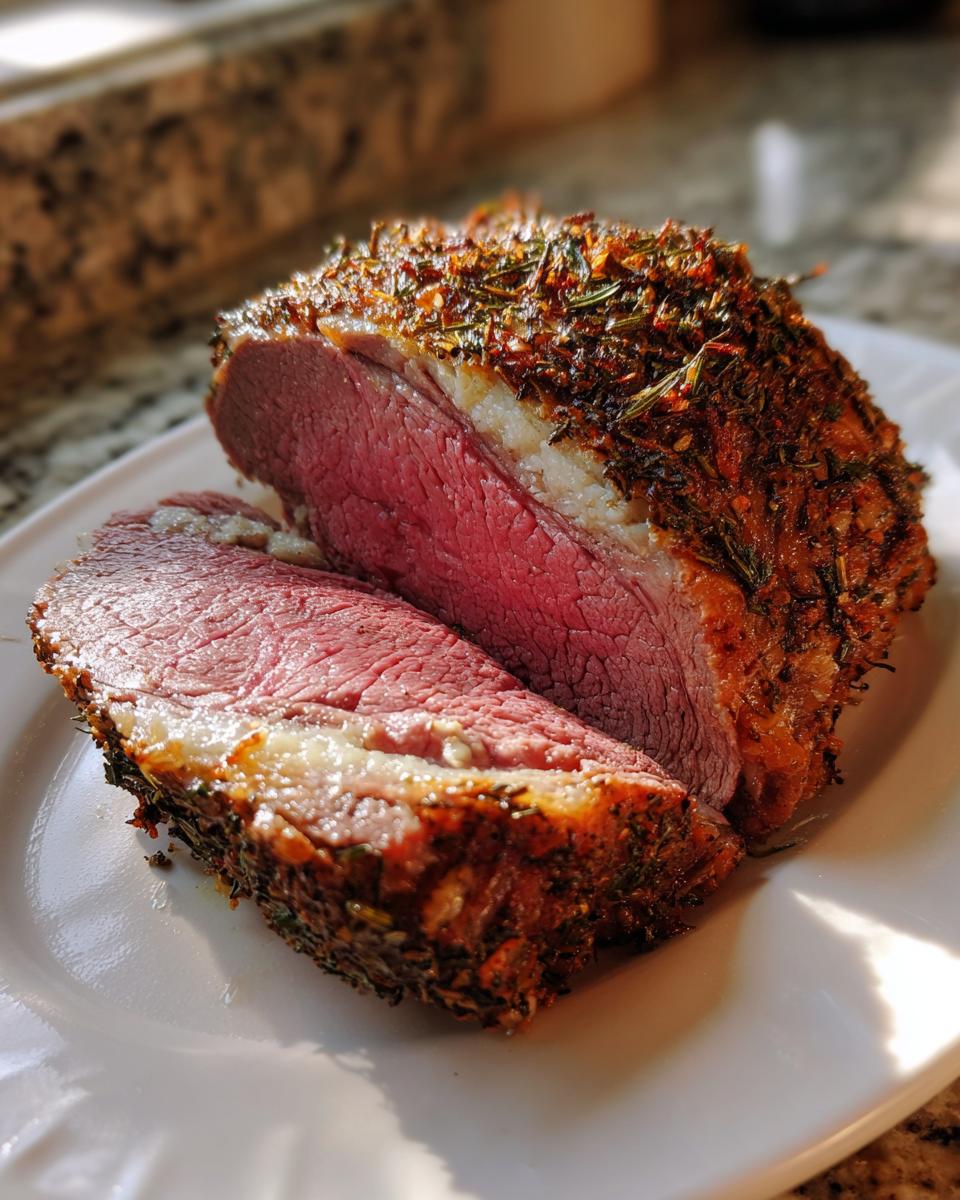
When it comes out of the oven, tent it loosely with foil and set a timer for AT LEAST 20 minutes. I know it’s hard to wait when people are hungry, but this resting period allows the juices to redistribute. If you carve too early, all that moisture drains right out, and you end up with drier meat. We want tender juicy roast beef, not a sad roast!
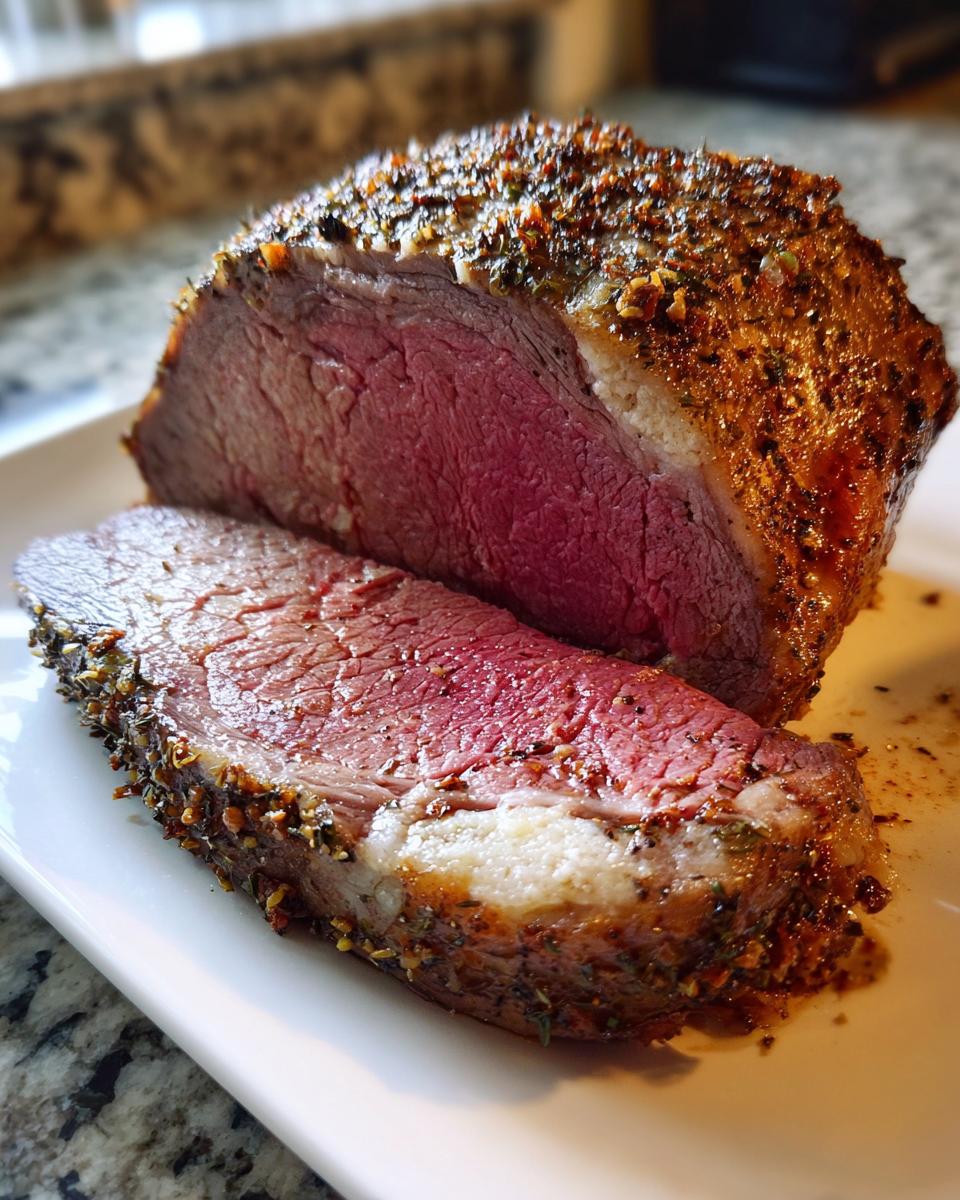
While it rests, you can whip up the simplest pan gravy. Just set the roasting pan on the stove, scrape up all those browned bits from the bottom (that’s where the flavor lives!), add a couple of cups of beef broth, simmer until it reduces a bit, and you’ve got a fantastic au jus! If you need more guidance on cooking the cut itself, check out these detailed standing rib roast instructions.
Tips for the Best Oven Roasted Beef Results
We’ve got the method down, but let me give you a few extra little secrets for making sure your rib roast moves from great to absolutely unforgettable. A few small adjustments can seriously boost your results, especially when you’re aiming for that perfect crust.
First, let’s talk bones. If you can swing it, always go bone-in! Those bones act like little insulators, protecting the meat closest to them and helping you achieve a more even cook throughout your rib roast. It’s one of the best shortcuts to that tender juicy roast beef texture you want.
Now, for the crust detail I mentioned in the instructions: that crisp, browned exterior. If you really want to push it over the top for a showstopper, try searing the roast on the stovetop for about two minutes per side in a hot, oiled cast-iron pan *before* you put on the herb butter and stick it in the oven. That gives you an incredible barrier! For more ways to lock in flavor, I always refer back to this foolproof recipe guide.
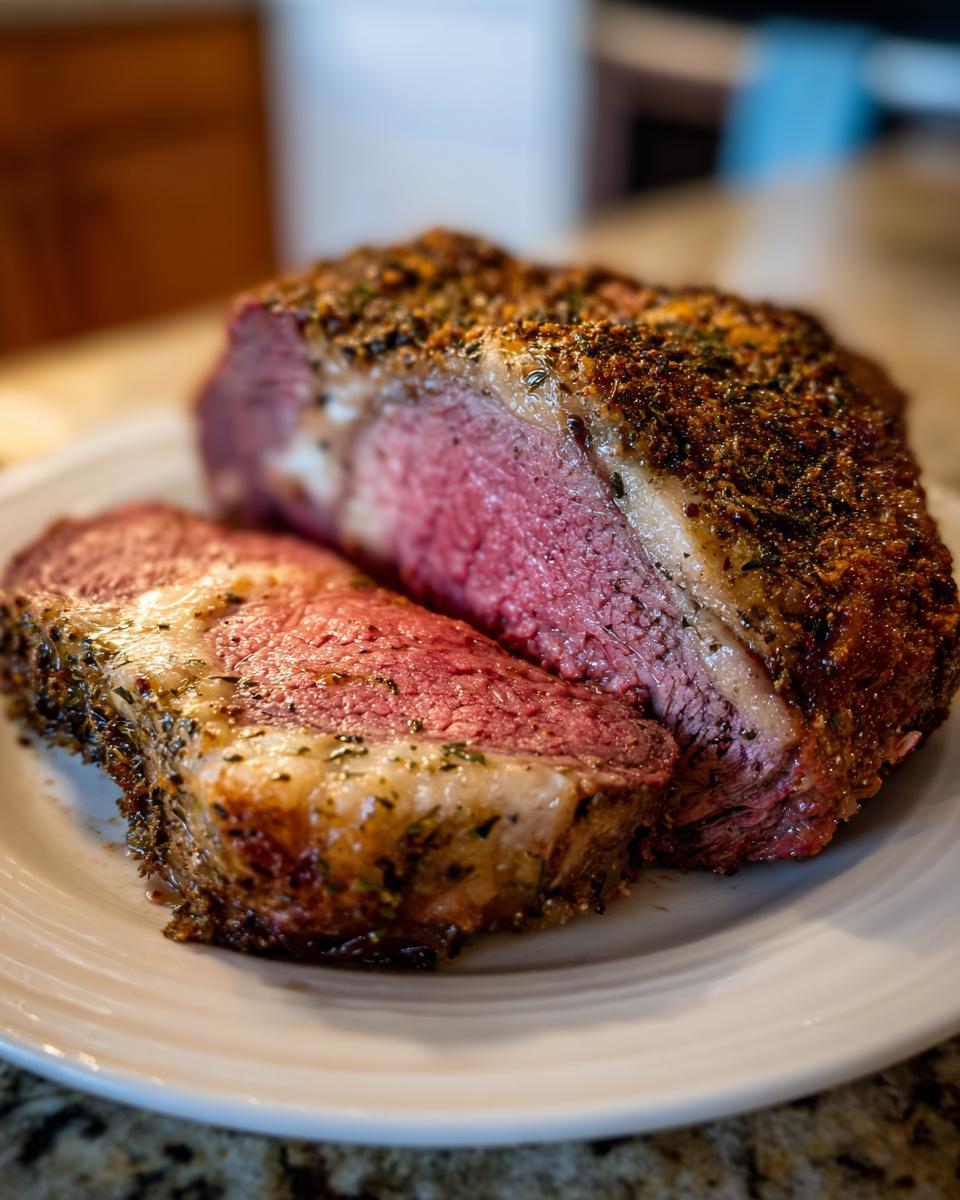
If you’re dealing with a boneless ribeye roast recipe, just keep an eye on your thermometer a bit closer since there’s no bone helping regulate things. And hey, if you ever need great side dishes to go with this masterpiece, check out my tips for tender roast sides!
Serving Suggestions for Your Holiday Roast Ideas
Look, once you’ve nailed that perfect roast, you need sides that can keep up! A rich beef roast like this deserves friends that cut through the richness and make every bite interesting. This is what I always pull out when I need a truly spectacular Christmas dinner centerpiece.
I like a balance. If you go heavy on the creaminess, you need something bright. My go-to side is always my Sweet Potato Casserole with the Pecan Crunch Topping—the slight sweetness and crunch pair so well with the savory crust of the beef.
But honestly, you can never go wrong with potatoes. If you want potatoes, make them fantastic. I swear by my Garlic Mashed Potatoes because they are so incredibly creamy and rich, they soak up any leftover pan gravy you might have sitting on the plate. Just make sure you have tons of crisp green beans or maybe even some roasted asparagus on the side to keep things from getting too heavy.
Remember, this roast is the star, so the sides just need to support its deliciousness!
Storing and Reheating Your Leftover Rib Roast
Don’t you hate wasting that unbelievable flavor? Luckily, leftover rib roast is fantastic! Wrap any remaining slices very tightly in plastic wrap first, then foil, and pop it in the fridge. It keeps beautifully for about three to four days. That’s plenty of time to plan your next meal!
When you go to reheat it, please, please don’t nuke the whole slab in the microwave! That’s a recipe for dry, sad beef. For the best results, slice the leftovers thinly, place them in an oven-safe dish, and add a splash of broth or water for moisture. Cover it tightly and reheat slowly at 300°F until just warm. Or, even better, turn those leftovers into amazing steak sandwiches or hash the next morning!
Frequently Asked Questions About Cooking Rib Roast
I know you might still have a few lingering doubts when tackling a big roast like this—it’s a commitment, after all! I’ve gathered up the questions I get asked most often about making the rib roast perfect. Dealing with this classic cut can feel tricky, but once you know these ins and outs, it becomes one of the easiest things you’ll make all year. If you’re still nervous after reading the main steps, check out my dedicated guide on how to cook rib roast!
Can I use a boneless roast instead of bone-in?
Oh, absolutely! I use a ribeye roast recipe sometimes when I need a slightly smaller cut. The main difference is timing. Since the bone acts like a little shield, protecting the meat closest to it, a boneless roast cooks faster. Trust your thermometer—when you’re going for that medium-rare spot, check about 20 minutes sooner than you think you need to for a bone-in cut!
What happens if I don’t have a roasting rack?
Don’t panic if your roasting pan didn’t come with a rack! You need something to lift that rib roast off the bottom of the pan so the air circulates and the drippings collect underneath for your gravy. You can easily make a sling out of heavy-duty aluminum foil folded several times, creating two thick parallel bars for the roast to sit on. Or, just use a few halved carrots or potatoes as makeshift supports so the meat isn’t sitting right in the juices.
How far ahead of time can I apply the herb rub?
This is a great question for planning out your Christmas dinner centerpiece! For the best results, I wouldn’t apply the herb butter much more than 4 hours ahead, even if you bring the roast to room temperature first. The salt in the rub can start drawing out too much moisture if left overnight, which hurts that beautiful crust we worked so hard on. If you need to prep early, make the rub and just leave the roast uncovered in the fridge, then apply the rub right before it goes into the hot oven after tempering.
Is the 500-degree blast necessary for a foolproof roast recipe?
It really is! That initial blast of high heat is what creates that stunning, savory crust that locks in all the flavor before we slow things down for the internal cook. If you skip it and go straight to 325°F, you risk getting grayish, less-flavorful meat all the way through. You can get fantastic guidance on this specific oven roasted beef approach over at A Fork in the Road, but my two-stage temperature jump is my secret weapon for a tender juicy roast beef!
Nutritional Estimate for This Beef Roast
Okay, I always want to be totally upfront with you about what’s in the food we make, but when you’re dealing with a big cut of beef like this, the numbers can shift depending on how much fat you trim off before serving!
The figures below are just an estimate based on a standard 6-ounce serving size after the roast has cooked and rested, using the ingredients listed. My goal with this tender juicy roast beef is maximizing flavor without overloading on carbs, so you’ll see that reflected here.
Treat these numbers as a helpful guide, not gospel. Remember, if you skip the herb butter rub or trim off every speck of fat, your totals will drop!
- Serving Size: 6 oz cooked
- Calories: 450
- Fat: 30g
- Saturated Fat: 12g
- Protein: 40g
- Carbohydrates: 0g
- Sodium: 450mg (This is largely from the coarse salt in the dry rub!)
See? Mostly protein and healthy fats, which is exactly what you want in a deeply satisfying meal. Because we aren’t adding any flour or sugar outside of the minimal amount in the paprika, we keep the carbs near zero. It’s hearty, delicious, and perfect for a special occasion!
Share Your Perfect Rib Roast Experience
Alright, now it’s your turn! I have poured all my best tricks into this rib roast recipe, but the real magic happens when you bring it to your table. Did this ancient oven method finally give you the tender juicy roast beef you’ve been dreaming about?
Please let me know how it went! Drop a rating below—I aim for five stars, obviously! I absolutely love hearing about your holiday successes, so if you made this centerpiece for a special dinner, tag me on social media. You can always reach out via my contact page if you have last-minute questions for next time!
PrintThe Ultimate Tender and Juicy Oven-Roasted Prime Rib Roast with Herb Butter
Make a spectacular standing rib roast for your next holiday dinner. This foolproof oven method with an herb butter rub guarantees a tender, juicy prime rib every time, perfect for serving with simple pan gravy.
- Prep Time: 20 min
- Cook Time: 1 hr 30 min
- Total Time: 2 hr 5 min
- Yield: 6 servings 1x
- Category: Dinner
- Method: Oven Roasting
- Cuisine: American
- Diet: Low Fat
Ingredients
- 1 bone-in prime rib roast (about 5–7 lbs)
- 4 tablespoons unsalted butter, softened
- 4 cloves garlic, minced
- 2 tablespoons fresh rosemary, chopped
- 1 tablespoon fresh thyme leaves
- 1 tablespoon coarse salt
- 1 teaspoon black pepper
- 1 teaspoon onion powder
- 1 teaspoon paprika
- 1 tablespoon olive oil
Instructions
- Remove the prime rib roast from the refrigerator 2 to 3 hours before cooking to allow it to come closer to room temperature. Preheat your oven to 500 degrees Fahrenheit.
- Prepare the herb butter rub: In a small bowl, combine the softened butter, minced garlic, rosemary, thyme, salt, pepper, onion powder, and paprika. Mix until fully blended.
- Pat the entire surface of the roast dry with paper towels. Rub the olive oil over the roast, then evenly spread the herb butter mixture over the entire roast, working it into the meat.
- Place the roast, fat-side up, in a roasting pan fitted with a rack. If you have a bone-in roast, ensure the bones are resting on the rack.
- Roast the prime rib at 500 degrees Fahrenheit for 15 minutes.
- Reduce the oven temperature to 325 degrees Fahrenheit. Continue roasting until the internal temperature reaches your desired doneness (see notes for temperatures). Do not open the oven door during this phase.
- For a 5-pound roast, this second stage usually takes about 1 to 1.5 hours, but always rely on a meat thermometer.
- Once the roast reaches the target temperature, remove it from the oven. Tent it loosely with foil and let it rest for at least 20 minutes before carving. This resting period is essential for a juicy roast.
- To make pan gravy (au jus), place the roasting pan on the stovetop over medium heat. Scrape up any browned bits from the bottom of the pan. Add 2 cups of beef broth and bring to a simmer, stirring until slightly thickened. Strain before serving.
Notes
- Use a reliable meat thermometer inserted into the thickest part of the roast, avoiding the bone, to check doneness.
- Remove the roast from the oven when the internal temperature is 5 degrees below your target: Rare (120°F), Medium-Rare (125°F), Medium (130°F). The temperature will rise during resting.
- For a boneless ribeye roast recipe, the cooking time may be slightly shorter.
- If you prefer a crispier crust, you can sear the roast on the stovetop before applying the rub and placing it in the oven.
Nutrition
- Serving Size: 6 oz cooked
- Calories: 450
- Sugar: 0
- Sodium: 450
- Fat: 30
- Saturated Fat: 12
- Unsaturated Fat: 18
- Trans Fat: 0
- Carbohydrates: 0
- Fiber: 0
- Protein: 40
- Cholesterol: 140