

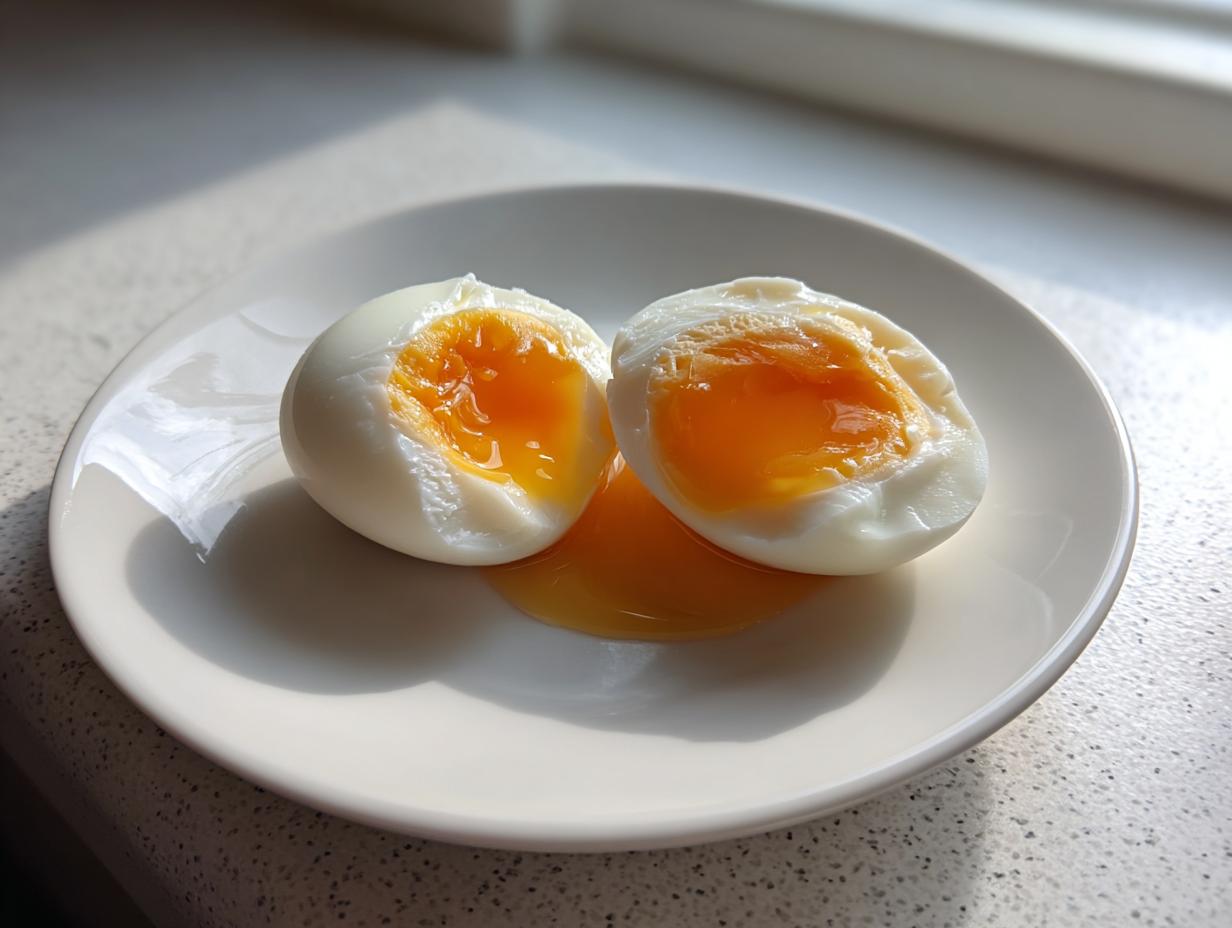
Oh, I know the feeling! You stand over the pot, watching that delicate white blob spread out like a jellyfish instead of holding a perfect, snug shape. It’s frustrating when you just want one simple thing done right. But listen up, because poaching eggs doesn’t have to be an expert-level challenge. I’m Felix, and my entire mission here at Cooking by Felix is taking those intimidating kitchen tasks and making them simple and achievable for folks with busy lives. This guide is my promise to you: we are going to master flawless poached eggs with those sunny, runny yolk poached eggs you dream about, every single time, using easy methods we can fit into a busy morning.
We focus on technique, not fuss. If you are looking for quick, easy breakfast solutions, you’ve landed in the right spot. Check out how we make other quick things happen over on our quick and easy breakfast page—it’s the same philosophy applied across the board!
- Why You Will Master Poached Eggs With This Guide
- Essential Ingredients for Perfect Poached Eggs
- The Best Egg Poaching Technique: Stovetop Poached Eggs Secrets
- Tips for Success: How to Poach Eggs Without an Expert
- Alternative Methods for Quick Microwave Poached Egg Results
- Serving Suggestions for Your Poached Eggs
- Poached Egg Troubleshooting Common Issues
- Storage and Reheating Instructions for Poached Eggs
- Essential Information for Your Poached Eggs Recipe
- Share Your Perfect Poached Eggs Experience
Why You Will Master Poached Eggs With This Guide
I get it—you want results without the headache. That’s exactly what this guide is built for. I pulled all the tricks I learned from my early days trying to make brunch for my family, and I stripped away everything complicated. You should feel totally confident cracking that next egg!
- You’ll finally achieve those picture-perfect, Perfect Poached Eggs where the white is firm and totally wrapped around the center.
- We focus 100% on getting that ultimate, golden, Runny Yolk Poached Eggs texture you just can’t beat.
- We break down the water temperature and spoon technique so neatly, you’ll look like a chef without even trying.
- This is my No Fail Poached Eggs method; if you follow the simmer timing, success is basically guaranteed!
Essential Ingredients for Perfect Poached Eggs
Before we get fussy with swirling water, we have to talk about what goes *into* the water. Honestly, the secret weapon for beautiful poached eggs isn’t a fancy gadget; it’s using the freshest eggs you can find. Seriously, older eggs have thinner whites, and those whites are going to try to escape all over your pot, making a wispy mess. I read an article comparing different methods, and they all agreed on this point!
You only need a few simple things:
- 2 large, very fresh eggs
- 4 cups of water
- 1 teaspoon white vinegar (trust me on this one!)
- A tiny pinch of salt
When I was testing things out, I saw firsthand how much a super fresh egg holds its shape better. It’s why professional chefs always stress this—it’s key to getting those Runny Yolk Poached Eggs without the fuss. You can see some of the testing others have done over at The Kitchn, too!
Ingredient Spotlight: Why Vinegar Helps Poached Eggs
The vinegar is our little boost of kitchen science! Egg whites are mostly protein, and adding a small amount of acid like vinegar helps that protein set up, or coagulate, much faster when it hits the hot water. It basically tells the white, “Hey, decide right now if you’re going to stay put!” This is a critical step for creating those Silky Poached Egg Whites instead of sad, stringy leftovers floating around.
The Best Egg Poaching Technique: Stovetop Poached Eggs Secrets
Okay, this is where the magic truly happens! Forget those specialized poaching cups; we are learning the classic, Best Egg Poaching Technique that gets you that beautiful shape without any weird gadgets. First things first: temperature. You just cannot have a rolling boil—that will tear your delicate white right apart! We want the water just simmering, with tiny, sleepy bubbles rising to the top.
Preparing the Water for Flawless Poached Eggs
Grab your widest, deepest skillet—the more surface area for the water, the happier your egg will be. Fill it up about three inches. Add your salt and that optional, but I highly recommend it, splash of vinegar. Now, just let that water heat up over medium heat until you see those small, steady bubbles. If it starts boiling hard, turn the heat down immediately. We are patient cooks here!
The Key to Silky Poached Egg Whites: Cracking and Swirling
This next part is my personal trick learned after way too many messy mornings. Never crack the egg right into the main pan! Crack one egg first into a tiny little bowl or ramekin. This lets you control the drop! Once your water is perfectly simmering, take a spoon and stir it vigorously in one direction to create a little whirlpool—a vortex. Stop stirring right before you gently slide that egg right into the middle of that sweet spot. That swirl just grabs the white and tucks it neatly around the yolk. Trust me, this is how you guarantee Silky Poached Egg Whites and achieve genuinely No Fail Poached Eggs. If you want to see how other pros tackle this step, check out this guide from Downshiftology!
Timing for Runny Yolk Poached Eggs
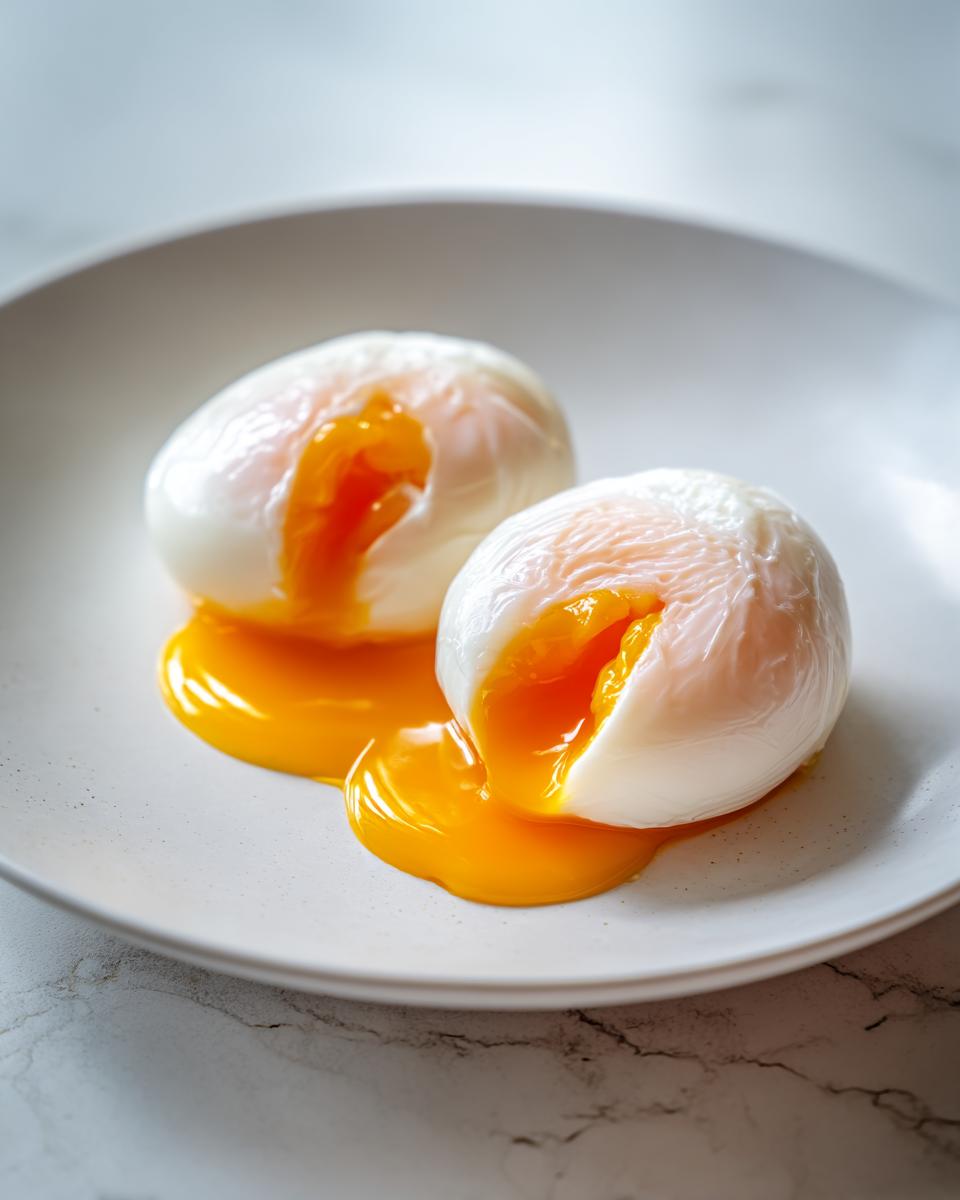
Once the egg is in, you just let it be! Don’t poke it or mess with it much. For those glorious Runny Yolk Poached Eggs, set a timer for exactly 3 minutes. If you like it just a tiny bit firmer—maybe you’re planning on dipping toast—go for 4 minutes max. Anywhere over 5 minutes and you’ll lose that signature runny center. When the time is up, swiftly use a slotted spoon to lift it out. We want to serve these immediately over something delicious, maybe like some quick breakfast staples we talked about earlier!
Tips for Success: How to Poach Eggs Without an Expert
Listen, every cook has had that moment where things just don’t cooperate in the pan. But these little secrets I found in the margins of old cookbooks are what separates a decent attempt from getting those beautiful, beautiful results. We’re aiming for No Fail Poached Eggs here, so pay attention to the details!
First off, remember that rule about fresh eggs? It’s worth repeating because it’s critical. Fresher means less spread! Also, never, ever try to do more than two eggs in the pot at one time. If you overcrowd it, the temperature drops too fast and you just get a messy tangle of white instead of individual beauties. Sometimes, even with the best water whirl, you get a few thin white strands. If you spot those little wisps forming, just gently reach in with your slotted spoon while the egg cooks and scoop them right out. They won’t affect the yolk at all!
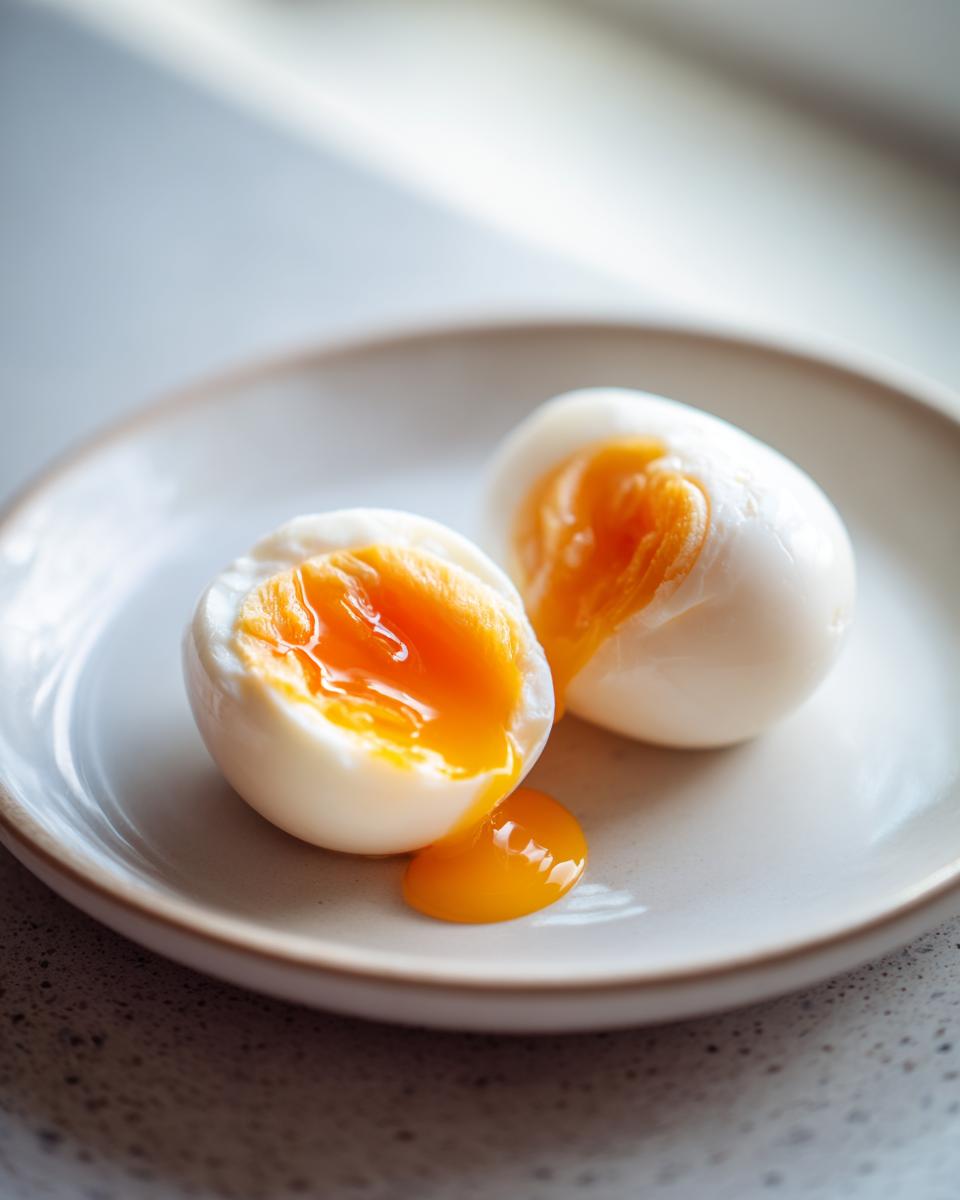
If you’re looking for another easy hack that people swear by, you can check out this fun one someone shared about getting prettier eggs, it promises some great results!
Alternative Methods for Quick Microwave Poached Egg Results
Now, I believe in mastering the stovetop, but let’s be real—sometimes life moves too fast, and waiting for water to simmer just isn’t happening. That’s why as part of my philosophy here at Cooking by Felix, I want you to have a genuinely quick backup plan. This is where the Quick Microwave Poached Egg comes into play!
This method is perfect for when you need one or two eggs on a fast breakfast and just can’t wait. You just need a standard mug. Fill it about a third of the way with water, throw in a tiny splash of that vinegar we love, and carefully crack your egg right into the mug. You absolutely have to be careful when microwaving eggs, so watch it closely!
Zap it on high power, usually for about 60 to 75 seconds, but you should check it around the 60-second mark. Pull that out gently with a slotted spoon, and boom—you’ve got a perfectly edible, tender poached egg ready to go. It’s not quite as elegant as the stovetop method, but it absolutely serves the purpose when time is your biggest enemy. Check out all the details over at this microwave guide!
Serving Suggestions for Your Poached Eggs
Now that you have these beautiful, glossy poached eggs—firm whites, liquid gold centers—the real fun begins! You have unlocked one of the most versatile egg recipes out there. Honestly, the simplest way is truly the best, which is why Making Poached Eggs on Toast is a classic for a reason. Toast it up, give it a little butter, sprinkle it with flaky salt and pepper, and slide that egg right on top. It’s heavenly!
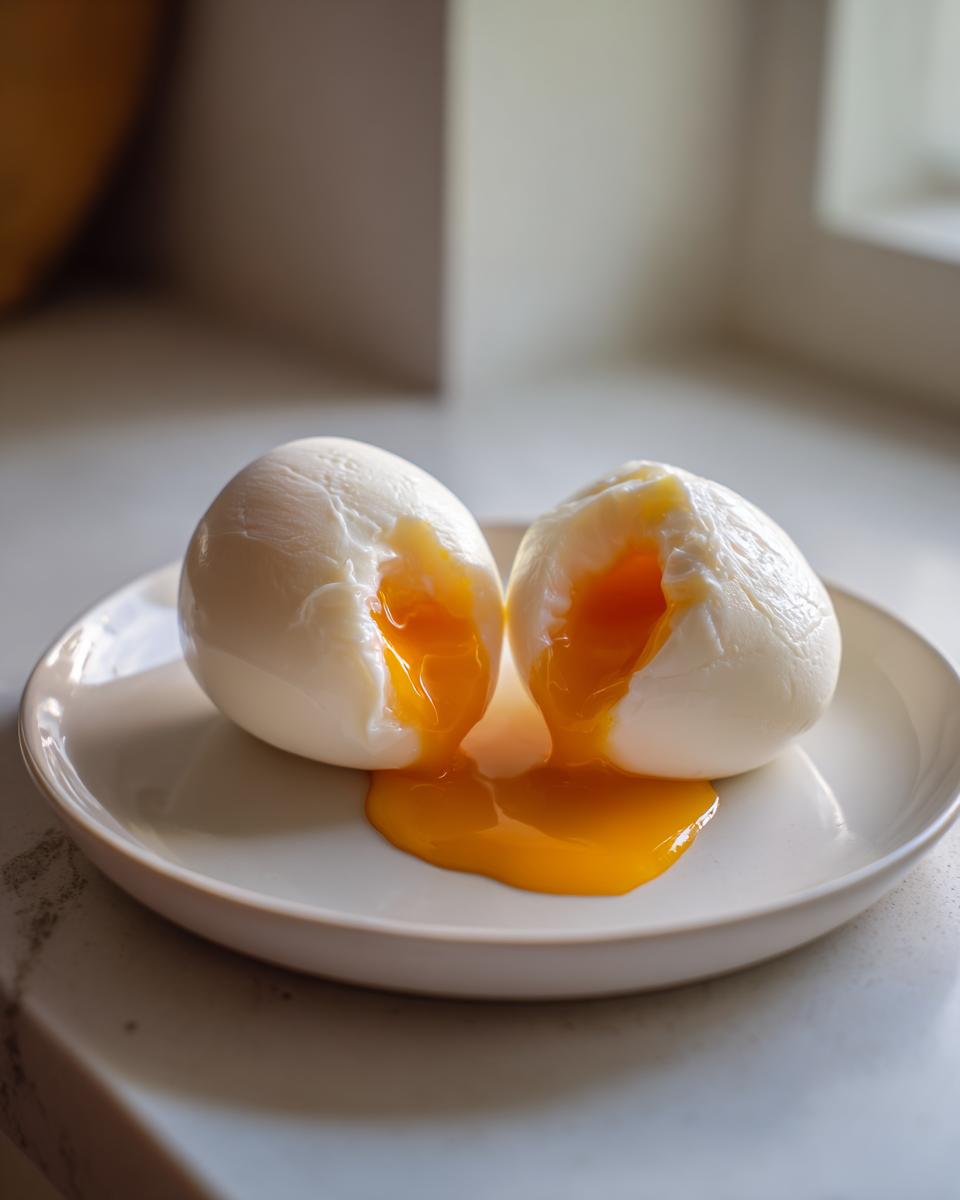
But don’t stop at toast! These eggs are so good they deserve center stage for any meal. They are the essential component for things like Eggs Benedict, obviously, but I’ve got even more brunch egg ideas for you that feel fancy but take zero extra kitchen time.
Brunch Egg Ideas Using Poached Eggs
If you want to make brunch feel special without a huge cleanup later, try placing your perfectly cooked egg:
- On top of wilted spinach with a drizzle of balsamic glaze—so quick and healthy!
- Resting slightly off-center on top of a colorful rice or quinoa grain bowl.
- Served alongside some of my incredibly fluffy old-fashioned pancakes, just to balance out the sweet!
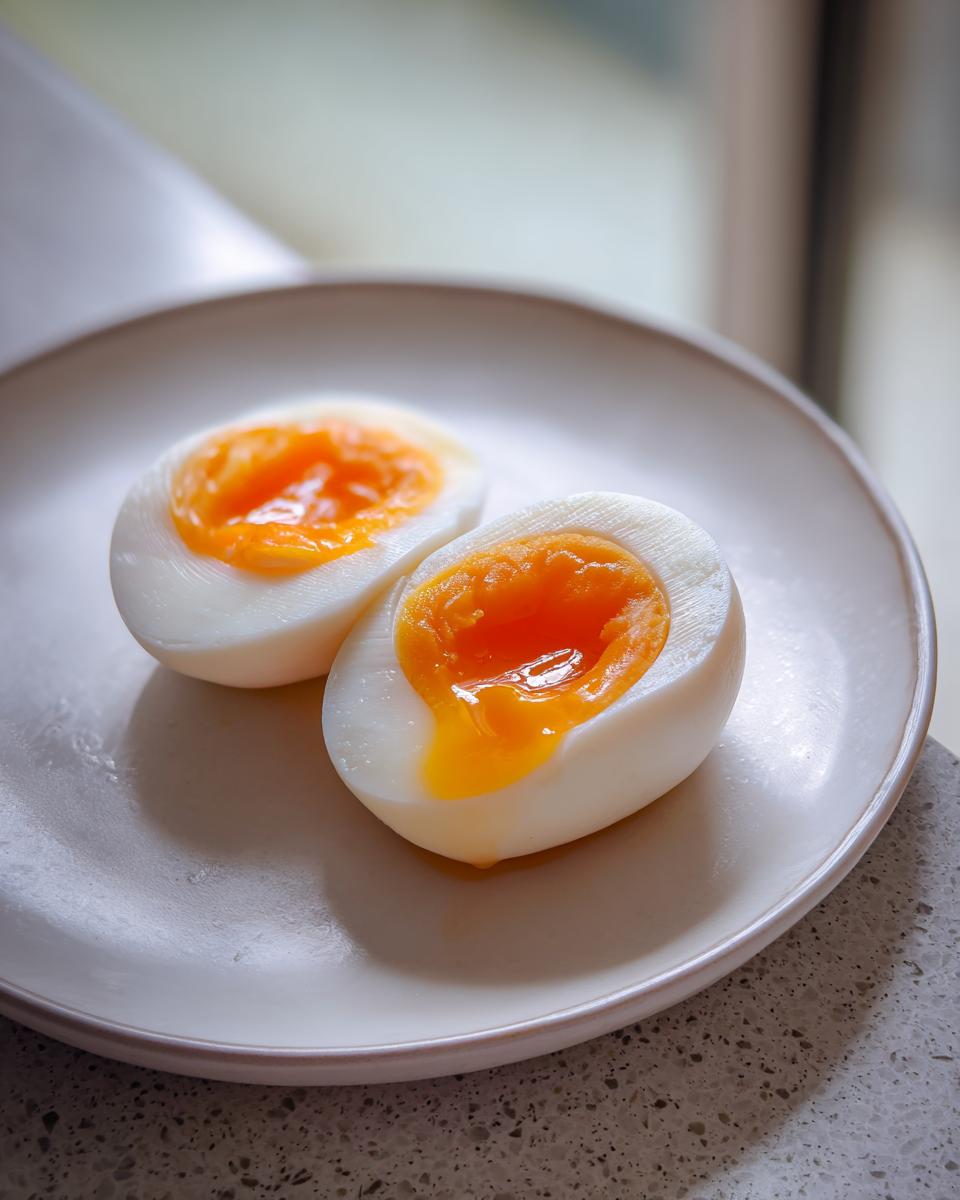
See? That beautiful yolk runs out and becomes its own instant sauce for whatever is underneath. It’s genius, really. Enjoy them!
Poached Egg Troubleshooting Common Issues
Even with my perfect instructions, sometimes the universe tests us, right? If your poached eggs are spreading out into sad, thin clouds the second they hit the water, that’s almost always your egg freshness, but don’t panic! You can try a quick filter trick: pour the cracked egg (from the ramekin, of course!) through a fine-mesh sieve right before you drop it in. That lets the super watery, looser white drain away, leaving just the tight stuff to wrap around your yolk.
If your white feels a little slimy even after 4 minutes, chances are your water wasn’t hot enough to begin with—we need that consistent, gentle simmer. Remember, even us pros mess up; I’ve read about failures even in the high-end cooking world! If you want to dive deep into what works best for different egg ages, I saw some great comparison testing over at The Kitchn that explains the protein breakdown. Keep trying, and you’ll hit that No Fail Poached Eggs mark!
Storage and Reheating Instructions for Poached Eggs
I know sometimes you want to prep brunch ahead, especially on the weekend! If you’ve made a batch of beautiful poached eggs, you can actually store them briefly. Once they are fully cooked and drained on a paper towel, carefully place them in a sealed container layered with cool, plain water or even an ice bath. They will keep okay in the fridge for about a day!
When it is time to serve, slowly warm them up in a bowl of hot (but not boiling!) water for just a minute or two. You want them warm through, but you absolutely must save that Runny Yolk Poached Eggs texture. If you try to microwave them, you are risking a rubbery white, so stick to the hot water bath for the best results!
Essential Information for Your Poached Eggs Recipe
Alright, before you dive into making some incredible healthy breakfast eggs, here is the snapshot summary so you know exactly what you’re getting into time-wise. This method is seriously fast; it’s one of the reasons I love it for busy mornings!
Here are the key timings:
- Prep Time: Just 2 minutes—that’s just grabbing your eggs and water!
- Cook Time: A quick 5 minutes once the water is ready.
- Total Time: You’re looking at about 7 minutes, tops.
- Yield: This recipe makes one lovely serving, perfectly sized for one person enjoying a solo meal or stacking up for a bigger batch.
Now, for the numbers! Here is the estimated nutritional breakdown for one serving. Remember, this is my best estimate based on standard large eggs, so numbers might shift just a tiny bit depending on your specific ingredients!
Nutrition Snapshot (per serving):
- Calories: 78
- Fat: 5.3g
- Protein: 6.3g
- Carbs: 0.6g
Share Your Perfect Poached Eggs Experience
I really, truly hope this guide finally takes the fear out of poaching! It’s one of those skills that feels impossible until you do it three times, and then suddenly, you’re a pro. I mean, we’ve covered the swirling water, the secret vinegar trick, and even gave you the speedy microwave option for those crazy mornings.
Now that you’ve mastered the art—I want to hear all about it! Did you nail that perfect runny center? Are you feeling more confident about making poached eggs now?
Please, please leave a rating below and let me know how your attempt went. Even better, drop a comment and share what you served them on! Were you making a fancy Eggs Benedict or just keeping it simple with toast and salt? Tag me if you share photos online—I absolutely love seeing your successes!
PrintUltimate Guide to Poached Eggs: Perfect Results Every Time
Learn the best technique for making flawless poached eggs with firm whites and runny yolks using simple stovetop methods. This guide offers clear steps for beginners.
- Prep Time: 2 min
- Cook Time: 5 min
- Total Time: 7 min
- Yield: 1 serving 1x
- Category: Breakfast
- Method: Stovetop Poaching
- Cuisine: American
- Diet: Vegetarian
Ingredients
- 2 large, very fresh eggs
- 4 cups water
- 1 teaspoon white vinegar (optional, helps coagulation)
- Pinch of salt
Instructions
- Fill a wide, deep skillet or pot with about 3 inches of water. Add the salt and vinegar, if using.
- Bring the water to a gentle simmer over medium heat. You want small, steady bubbles rising, not a rolling boil.
- While the water heats, crack one egg into a small bowl or ramekin. This keeps the yolk intact when adding it to the water.
- Create a gentle vortex in the simmering water by stirring the water in one direction with a spoon. Stop stirring just before adding the egg.
- Carefully slide the egg from the ramekin into the center of the vortex. The swirling motion helps wrap the white around the yolk.
- Cook the egg for 3 to 4 minutes for a runny yolk and set white. Adjust time based on egg size and desired doneness.
- Use a slotted spoon to carefully lift the poached egg from the water.
- Gently place the egg on a plate lined with a paper towel to absorb excess water.
- Repeat the process for the second egg, allowing the water to return to a gentle simmer between eggs.
- Serve immediately on toast or with your preferred breakfast items.
Notes
- Use the freshest eggs possible; older eggs have thinner whites that spread more in the water.
- Do not overcrowd the pan; poach one or two eggs at a time for best results.
- If you see wispy white strands, you can gently scoop them away with the slotted spoon during cooking.
- For quick microwave poached egg preparation, crack an egg into a mug with 1/3 cup water and a splash of vinegar. Microwave on high for 60 to 75 seconds.
Nutrition
- Serving Size: 1 egg
- Calories: 78
- Sugar: 0.6
- Sodium: 71
- Fat: 5.3
- Saturated Fat: 1.6
- Unsaturated Fat: 3.7
- Trans Fat: 0
- Carbohydrates: 0.6
- Fiber: 0
- Protein: 6.3
- Cholesterol: 186