

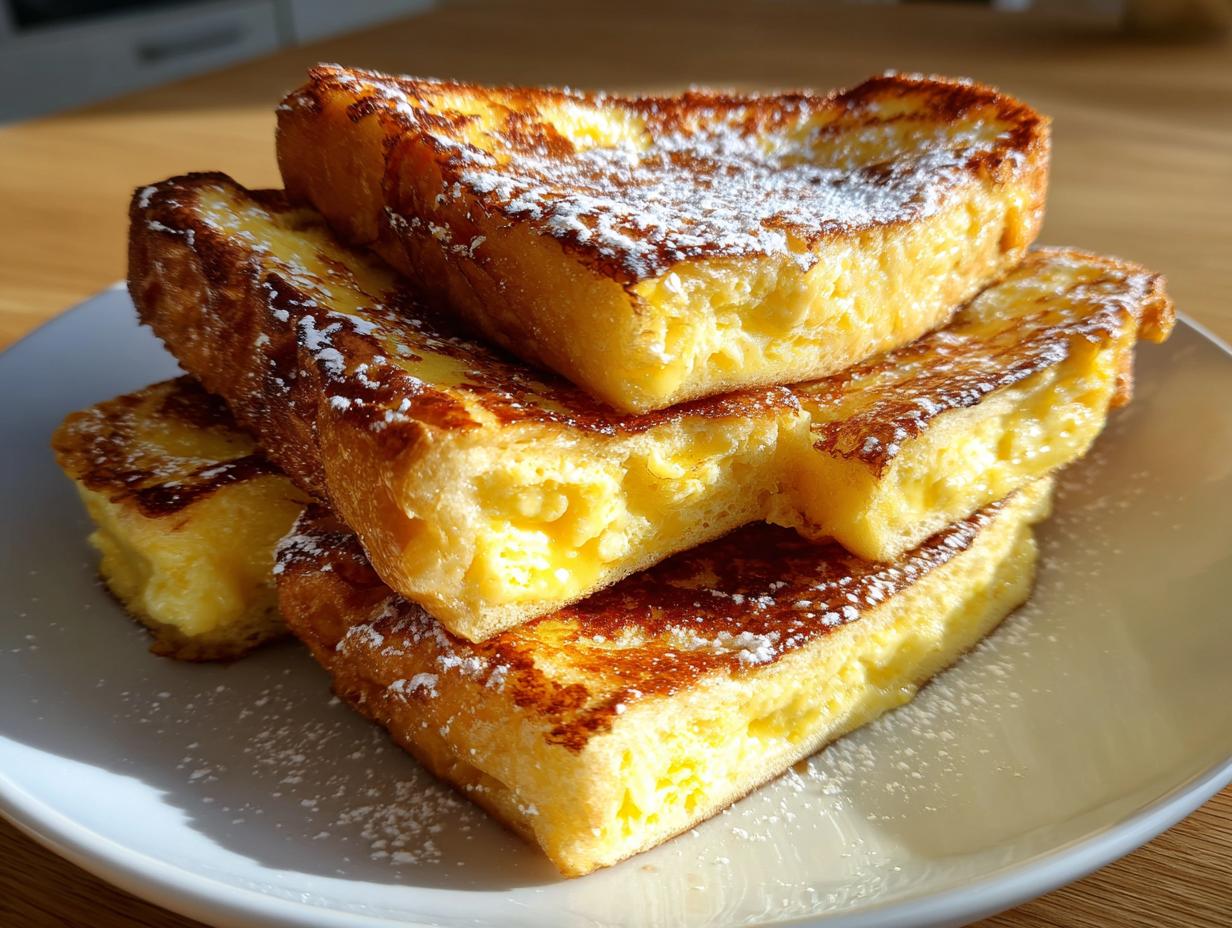
If your mornings feel less like a cozy brunch and more like an Olympic sprint, you know the struggle is real. We often sacrifice those truly satisfying moments, like sinking teeth into perfect french toast, for the sake of speed. But that’s not how it should be! I’m Felix Hayes, and I built this space because I know firsthand how career demands can crowd out good food. That’s why I specialize in making incredible meals achievable when time is short. Forget flat, soggy bread you dread making; this recipe is engineered for two things you never thought you could get together: a deeply custardy center and those glorious, caramelized, crispy edges. Trust me, this will become your absolute favorite weekend ritual.
- Why This Classic French Toast Recipe Is The Best French Toast Ever
- Ingredients for Foolproof French Toast
- How to Make Perfect French Toast: Step-by-Step
- Tips for Success When Making French Toast
- Ingredient Notes and Substitutions for French Toast
- Serving Suggestions for Your Easy French Toast
- Storage and Reheating Instructions for Leftover French Toast
- Frequently Asked Questions About Making French Toast
- Nutritional Information Estimate for Classic French Toast
Why This Classic French Toast Recipe Is The Best French Toast Ever
I’ve tried every trick under the sun, and trust me when I say that the best French toast balances two incredible textures against each other. It’s a tough job, but this recipe nails it every single time. We aren’t just making breakfast; we are building a masterpiece of texture in less than fifteen minutes. If you’ve ever been disappointed by a mushy middle or a dry slice, this section explains exactly how we fix those issues for good!
This approach leads to what I humbly call the Best French Toast Ever, and it’s all about the ratio.
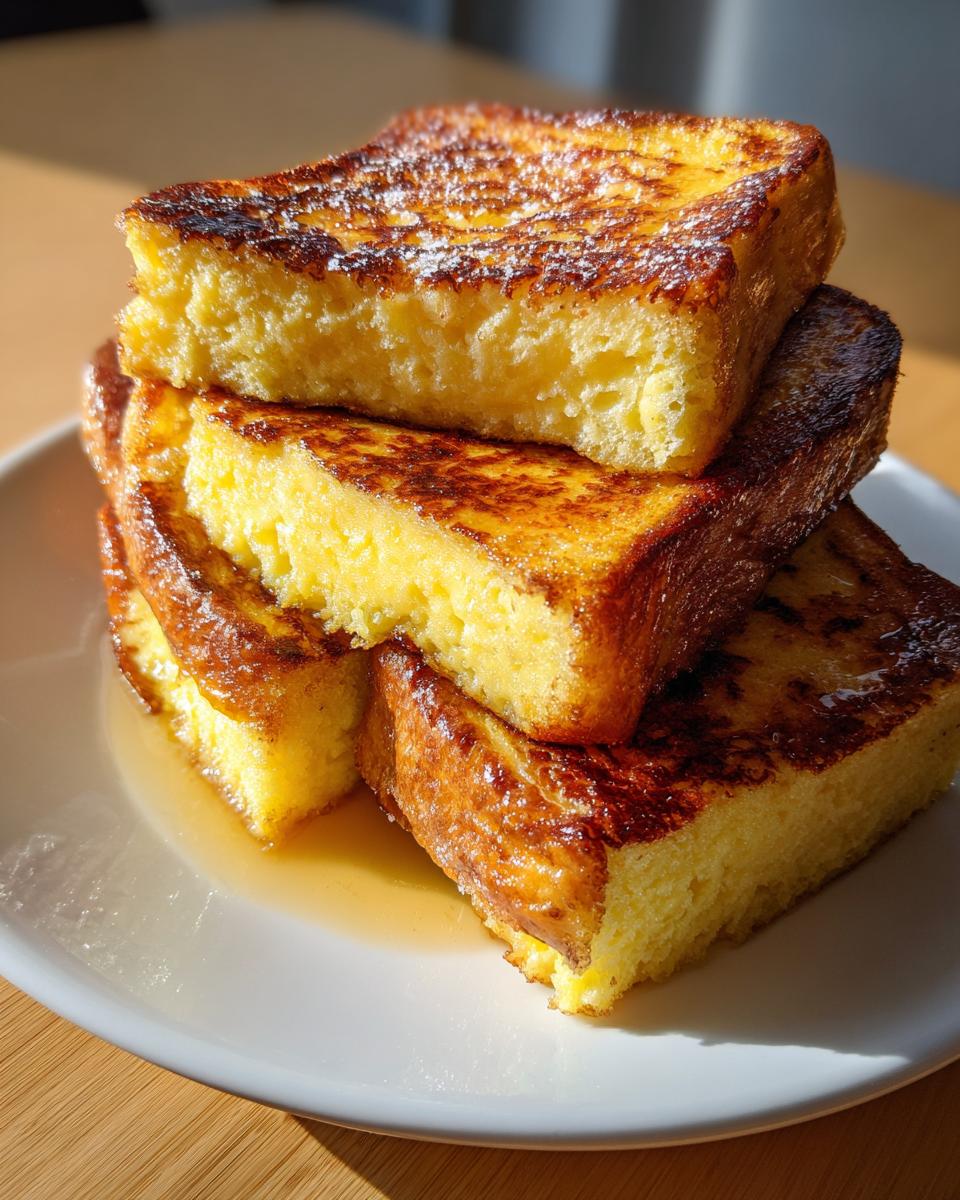
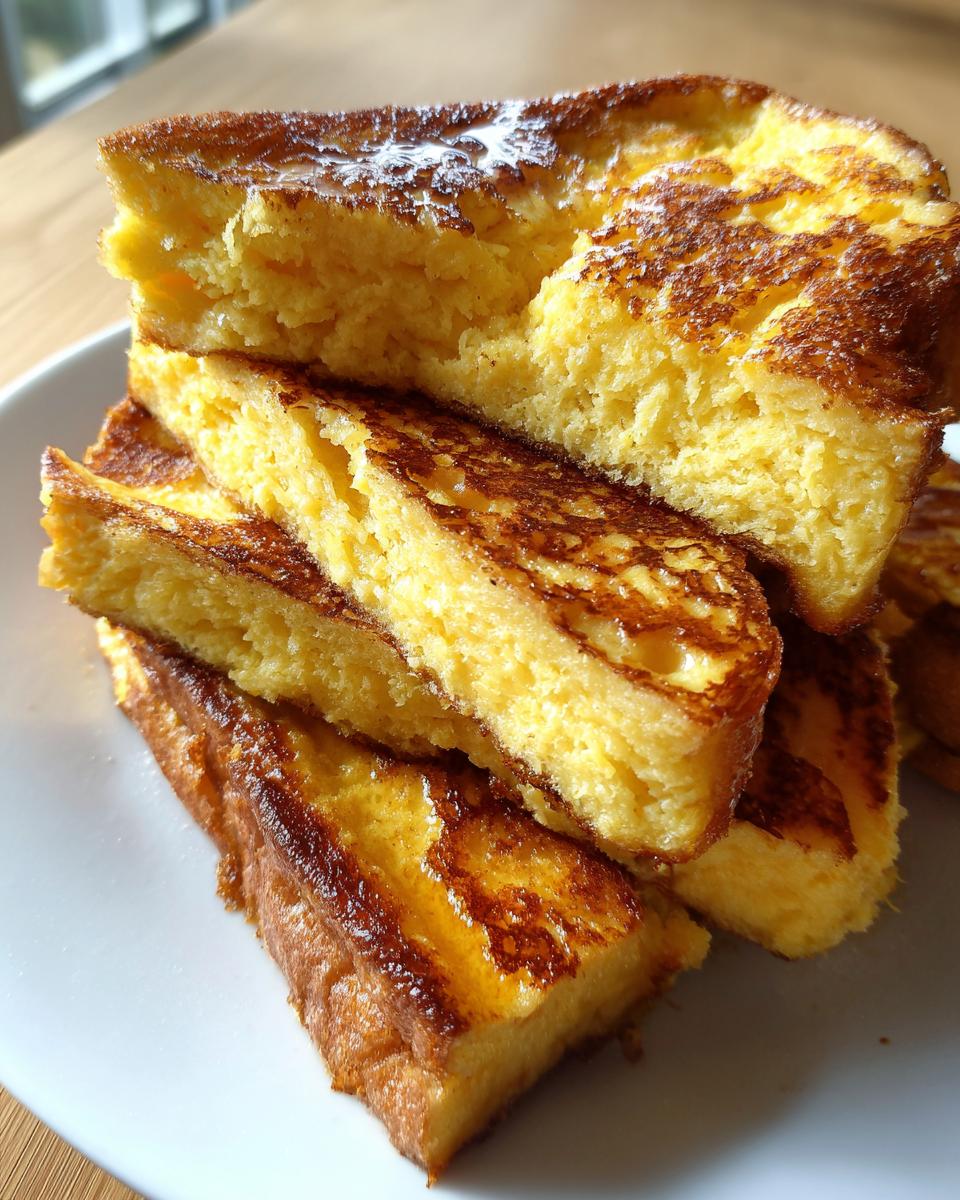
Achieving a Custardy Center French Toast
The key to that soft, almost pudding-like interior is twofold: the cream and the clock. We add heavy cream to the egg base not just for richness, but to create a thicker batter that clings perfectly to the bread. You only need to soak each side for about 20 to 30 seconds. If you go longer, the thick bread becomes saturated and collapses later. A quick bath ensures the outside soaks up enough custard to cook up creamy, not soggy.
The Secret to Crispy Edge French Toast
Okay, this is my absolute favorite hack for next-level French toast that tastes like it came from a fancy bistro. Right before you flip the slice for the second side, sprinkle just a tiny pinch of plain granulated sugar right onto the hot, buttered griddle space surrounding the bread. When the butter and sugar melt together, they caramelize against the edges of the toast. It creates this unbelievably thin, sugary crust—pure magic! That slight crunch on the edge makes this version of French toast truly stand out.
Ingredients for Foolproof French Toast
Look, the ingredient list for excellent French toast is actually super short, which is why it makes such a wonderful quick breakfast morning meal. We don’t need a million things; we just need the *right* things! The quality of your bread makes a huge difference here. You absolutely want something sturdy, like thick-cut Challah or rich Brioche. If you are feeling ambitious, I have a recipe for easy homemade brioche, but store-bought works great too!
Here is what you need for the perfect custard for four servings:
- 8 slices thick-cut bread (Challah or Brioche recommended)
- 4 large eggs
- 1 cup whole milk
- 1/4 cup heavy cream
- 1 teaspoon vanilla extract
- 1/2 teaspoon ground cinnamon
- 1/8 teaspoon ground nutmeg
- 1 tablespoon granulated sugar (for custard)
- Pinch of salt
- 2 tablespoons unsalted butter, for cooking
- Extra sugar for caramelizing (optional)
How to Make Perfect French Toast: Step-by-Step
Making this legendary french toast is all about following Felix’s proven method, which keeps the center fluffy while guaranteeing that perfect exterior color. We move fast, but timing is everything! Don’t rush the soaking, and definitely don’t crank up the heat—that’s how you get burnt bread with raw custard inside. You want evenly cooked, beautiful slices every time.
If you want a truly indulgent breakfast, check out some great ideas on how to serve it over at Modern Honey!
Creating the Rich Custard Base for Your French Toast
First, let’s make the bath! In a shallow dish—one that’s wide enough so the bread fits flat—you’re going to whisk together all those beautiful liquid ingredients, the eggs, the milk, the heavy cream, vanilla, cinnamon, nutmeg, salt, and that single tablespoon of sugar. Whisk it like you mean it! You need to make sure that little bit of sugar dissolves completely into the mix. If you don’t whisk enough, you’ll end up with streaks of unmixed egg white, and nobody wants that texture surprise.
Cooking Techniques for Golden Brown French Toast
Now for the heat! Place your skillet or griddle over medium heat. This is critical; high heat burns the outside before the center even thinks about cooking. Melt about half that butter until it’s just foamy—that means it’s hot enough. Dip your bread for just about 30 seconds per side. Plop it onto the hot surface and let it cook, undisturbed, for three to four minutes until it’s deeply golden brown. That color shows us the Maillard reaction is working perfectly, giving you that quintessential french toast crust!

Tips for Success When Making French Toast
You have the recipe, you understand the custard balance, but what about the bread itself? My biggest learning curve was realizing that fresh bread is actually the enemy of french toast! Fresh, soft slices soak up that liquid too fast and you end up with warm, sweet soup on your plate rather than a sturdy breakfast.
My rule now is to only use bread that’s at least a day old. I remember once trying to rush things because I had guests coming, and I used a loaf that was baked that morning. Oops! It basically disintegrated when I tried to lift it off the pan. Total disaster! Seriously, slightly stale bread is your best friend because it holds its structure. If you are cooking a big batch, don’t let the cooked slices sit in a pile on a plate; use a wire rack over a baking sheet set in a low oven (around 200°F), like I mention in my notes. This keeps your stack of perfect french toast warm and slightly crisp while you finish everything else up. For more fun ways to use stale bread, check out my recipe for French Toast Muffins!
Ingredient Notes and Substitutions for French Toast
I get so many questions about swapping out ingredients in this simple recipe, and honestly, I totally get it! We all shop at different stores, and sometimes you just don’t have that exact “whole milk” sitting around. Good news: you have some wiggle room, but you need to know where you can cheat a little and where you absolutely cannot mess around.
Let’s talk milk first. The recipe calls for whole milk because the fat content helps keep the custard rich and creamy. Can you use 2% milk? Sure, you can, but be warned: your center might come out slightly less decadent. Low-fat milk or skim milk will taste thinner, and you might need to cut back on the soaking time even more because those leaner liquids absorb faster. If you must sub milk, aim for at least 2%. And if you feel like experimenting with other things, I actually have a great post on other easy homemade ingredients that might inspire you!
The bread density is another big topic. If you use regular, thin-sliced sandwich bread, you are going to end up with a mush pile, guaranteed. That’s why I insist on thick-cut slices—Brioche or Challah are perfect because they have that structural integrity. If you only have standard sliced bread, you have to reduce your soaking time down to just 10 seconds per side. Seriously! You want the bread to get wet, not waterlogged. For a truly impressive look, seek out those super-thick, bakery-style Texas Toast versions if you can find them; they handle the custard beautifully.
Serving Suggestions for Your Easy French Toast
Now that you’ve achieved that textbook perfection—the crispy edges, the fluffy center—it’s time to dress up your french toast! This dish screams Weekend Brunch Ideas, so don’t hold back on toppings. Of course, the classics are king: a generous pour of warm maple syrup is non-negotiable, and a light dusting of powdered sugar makes it look restaurant-ready instantly.
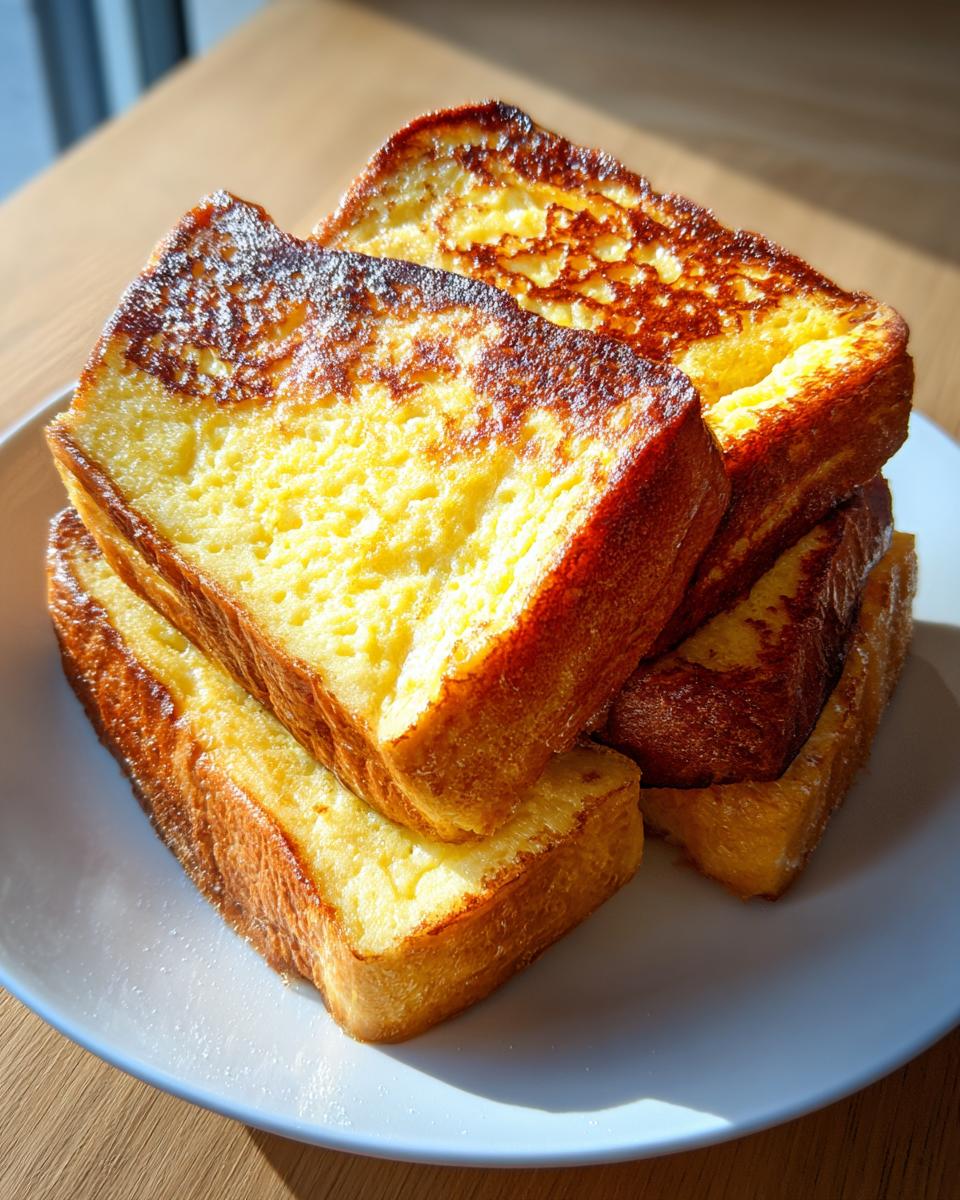
If you want to go a little extra, try topping it with fresh berries—strawberries or blueberries are fantastic—or maybe a smear of homemade whipped cream. For an extra decadent moment, you could even pair it with something sweet and gooey, like my cinnamon buns on the side. Seriously, enjoy this moment!
Storage and Reheating Instructions for Leftover French Toast
One of the best parts about making a big batch for brunch is realizing you have leftovers! And yes, you can absolutely save your perfectly cooked slices for a quick meal later in the week. The key to success here is making sure you treat these leftovers gently when reheating them. If you want your texture to stay as close to that fresh-off-the-griddle perfection as possible, you need to skip the microwave.
For storage, just let the slices cool completely on a wire rack first—we don’t want to trap condensation. Once cool, stack them neatly between sheets of parchment paper inside a good quality, airtight container. This will keep them fresh for about two days. If you’re planning far ahead, they freeze like a dream too! Just make sure you use parchment between each slice before sealing the bag.
When it’s time to eat them again, the oven is your best friend. Preheat your oven to about 350°F and lay the slices flat on a baking sheet. Give them about 8 to 10 minutes. This gentle heat warms the center all the way through while letting the exterior firm back up nicely. If you’re really in a rush, you can use a toaster oven, which works even faster! I’ve shared some other great make-ahead meal tips over on my slow cooker chicken pozole recipe post, too.
Frequently Asked Questions About Making French Toast
I know sometimes these recipes look simple, but a few little details can throw off your whole morning! Here are the common sticking points I hear about when people are trying to make their french toast.
Can I use regular sandwich bread for this recipe?
You certainly *can*, but I really advise against it if you’re aiming for that fluffy and custardy center French toast! Regular sandwich bread is too thin and has a very tight crumb. It absorbs the custard too quickly and totally disintegrates when it hits the pan. Honestly, stick to thick-cut bread like Brioche or Challah. If you must use thinner bread, reduce your soak time to mere seconds per side, or you’ll end up with a mess!
How do I prevent the outside of the French toast from burning before it’s cooked inside?
This is all about heat management! The number one mistake I see people make is cooking everything on medium-high or high heat. You want a medium heat—low and slow is the key to perfect results. This allows the fats (butter) to brown beautifully for that golden brown French toast look, while giving the egg custard enough time to set up completely and become that dreamy, custardy center. If your edges are getting dark too fast, take your pan off the heat for 30 seconds before putting the next slice on.
Can this be considered a Make Ahead French Toast option?
Yes and no! For immediate cooking, you saw that I recommended slightly stale bread. But if you want to fully commit to making it ahead, you should follow the soaking instructions exactly, lay the soaked slices on a parchment-lined baking sheet, cover them with plastic wrap, and chill them for up to a day. When breakfast time rolls around, you transfer that sheet pan directly into a 375°F oven for about 15 minutes, until they are set. This is a great workaround if you want an easy breakfast morning meal but don’t want to stand over the stove!
I love the crispy edge idea—is there a way to bake this as a Sheet Pan Breakfast?
That’s a fantastic idea for feeding a crowd! While this specific recipe is designed for the stovetop to maximize that quick caramelization, you can absolutely adapt it for a sheet pan, which makes for the easiest cleanup. If you’re looking for a truly tried-and-true method for baking a whole batch at once, my friend over at Quick Savvy Sweets has a great recipe for Sheet Pan French Toast that handles crowds beautifully. Just make sure you still use that rich custard blend!
What are some simple toppings instead of plain syrup?
Syrup is non-negotiable sometimes, but if you want to elevate your dinner-worthy breakfast, try these ideas! A simple dusting of powdered sugar is elegant. Or, try topping your classic French toast with some fresh blackberries and a dollop of Greek yogurt—it adds the perfect tang that cuts through the richness of the custard. For a little extra crunch, try my recipe for candied pecans on top!
Nutritional Information Estimate for Classic French Toast
Alright, let’s talk fuel. While this recipe is pure indulgence, I know some of you are curious about what’s packed into that delicious breakfast! Remember, these numbers are just estimates based on the ingredients listed for a standard serving size. Since we are using thick-cut breads and heavy cream, it’s definitely on the richer side, which is what makes it so special!
This information is calculated per serving size, which is two slices of the prepared french toast.
- Serving Size: 2 slices
- Calories: $\sim 350$
- Fat: $\sim 16g$
- Saturated Fat: $\sim 8g$
- Trans Fat: $\sim 0.5g$
- Carbohydrates: $\sim 40g$
- Fiber: $\sim 2g$
- Sugar: $\sim 18g$
- Protein: $\sim 14g$
- Cholesterol: $\sim 180mg$
- Sodium: $\sim 350mg$
Keep in mind that topping choices—especially big pours of syrup or extra butter—will change these figures fast! Enjoying a rich breakfast like this is all about balance, after all.
PrintThe Absolute BEST Classic French Toast: Foolproof Custard and Caramelized Edges

This recipe delivers the perfect French toast every time: crispy, golden edges and a soft, custardy center. It uses simple ingredients and professional techniques to make your weekend brunch exceptional.
- Prep Time: 10 min
- Cook Time: 15 min
- Total Time: 25 min
- Yield: 4 servings 1x
- Category: Breakfast
- Method: Stovetop Griddling
- Cuisine: American
- Diet: Vegetarian
Ingredients
- 8 slices thick-cut bread (Challah or Brioche recommended)
- 4 large eggs
- 1 cup whole milk
- 1/4 cup heavy cream
- 1 teaspoon vanilla extract
- 1/2 teaspoon ground cinnamon
- 1/8 teaspoon ground nutmeg
- 1 tablespoon granulated sugar (for custard)
- Pinch of salt
- 2 tablespoons unsalted butter, for cooking
- Extra sugar for caramelizing (optional)
Instructions
- Prepare the custard mixture: In a shallow dish, whisk together the eggs, milk, heavy cream, vanilla extract, cinnamon, nutmeg, 1 tablespoon of sugar, and salt until fully combined and smooth.
- Soak the bread: Place one slice of bread into the custard mixture. Let it soak for 20 to 30 seconds per side. For thick bread, you may need slightly longer soaking time to reach the center without making it soggy.
- Heat the griddle: Place a large non-stick skillet or griddle over medium heat. Add 1 tablespoon of butter and let it melt until it foams slightly.
- Cook the toast: Place the soaked bread slices onto the hot griddle, ensuring they do not touch. Cook for 3 to 4 minutes per side until deeply golden brown.
- Achieve caramelization (optional): For crispy, caramelized edges, sprinkle a small amount of extra granulated sugar directly onto the cooking surface around the bread slices during the last minute of cooking on each side. The sugar will melt and crisp against the buttered bread.
- Serve immediately: Transfer the cooked French toast to plates. Serve warm with maple syrup, fresh fruit, or powdered sugar.
Notes
- Use slightly stale bread; fresh bread absorbs too much liquid and becomes mushy.
- For the best texture, cook the French toast over medium heat, not high heat. This allows the custard to set inside before the outside burns.
- If you are making a large batch, keep cooked slices warm on a wire rack set over a baking sheet in a 200°F oven while you finish the rest.
Nutrition
- Serving Size: 2 slices
- Calories: 350
- Sugar: 18
- Sodium: 350
- Fat: 16
- Saturated Fat: 8
- Unsaturated Fat: 8
- Trans Fat: 0.5
- Carbohydrates: 40
- Fiber: 2
- Protein: 14
- Cholesterol: 180