

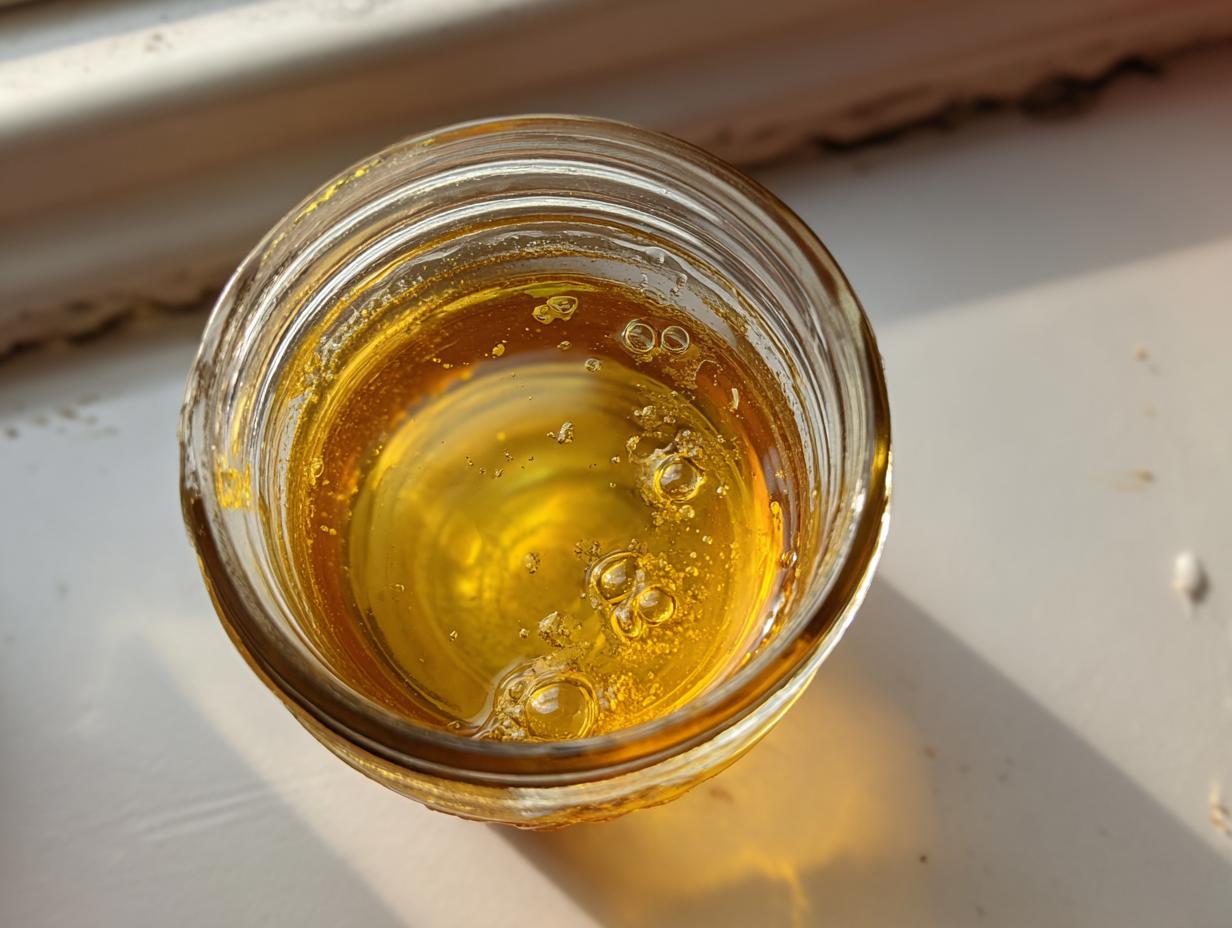
Are you tired of that sad, watery salad that tastes suspiciously like sugar and chemicals? I get it. When I was deep in the marketing grind hustle back in Chicago, the last thing I wanted to do after a 12-hour day was stand around waiting for something fussy to simmer. But those store-bought bottles? They were wrecking my healthy lunch routine thanks to all those additives. That’s why I started my mission to create solutions that honored both speed and incredible flavor. Trust me, upgrading your everyday meal starts with treating your greens right! Here in this collection, I’m laying out the 15 essential homemade salad dressing recipes you need right now. We cover everything from creamy Italian dream to zesty vinaigrettes—all guaranteed fresh, fast, and ready to transform your next bowl. If you’re ready to make your salads the highlight of your week, stick around. You can find even more ways to keep your healthy lunches interesting over here: healthy lunch recipes.
- Why Homemade is the Best Salad Dressing
- The Foundation: Essential Ingredients for Any Great Salad Dressing
- Recipe 1: The 5-Minute Everyday Lemon Salad Dressing
- Beyond Vinaigrette: Mastering Creamy Salad Dressing Recipes
- Flavor Twists: Gourmet Salad Dressing Variations
- Dietary Considerations for Homemade Salad Dressing
- Tips for Meal Prep Success with Your Salad Dressing
- Frequently Asked Questions About Making Salad Dressing
- Next Steps for Your Best Salad Dressing
Why Homemade is the Best Salad Dressing
Look, I’m all about keeping things moving quickly, but there are some sacrifices you just shouldn’t make. For me, that means never reaching for the stuff hidden away in the grocery aisle anymore. Buying a store bought dressing alternative is often just inviting hidden sugars, fillers, and frankly, flavors that taste manufactured, not fresh. My philosophy here at Cooking by Felix is simple: if you’re going to eat well, you need real ingredients.
When you make your own homemade salad dressing, the flavor difference is night and day. That bright tang from *real* lemon juice or the richness of good olive oil—you just can’t replicate that in a plastic squeeze bottle that sits on a shelf for months. Plus, once you realize how fast these recipes take—seriously, just minutes!—you’ll see the cost savings add up, too. It’s always been my goal to offer solutions that are both indulgent in flavor and kind to your time and wallet.
The Foundation: Essential Ingredients for Any Great Salad Dressing
If you want a truly amazing salad dressing, you have to start with the right building blocks. This isn’t about complicated techniques; it’s about quality ingredients that do most of the heavy lifting for you. When I first started cooking by necessity during those demanding work years, I learned quickly that using cheap oil makes a cheap-tasting dressing, no matter what herbs you throw in. Always invest in the best quality extra virgin olive oil you can find because that’s the backbone of nearly every great vinaigrette.
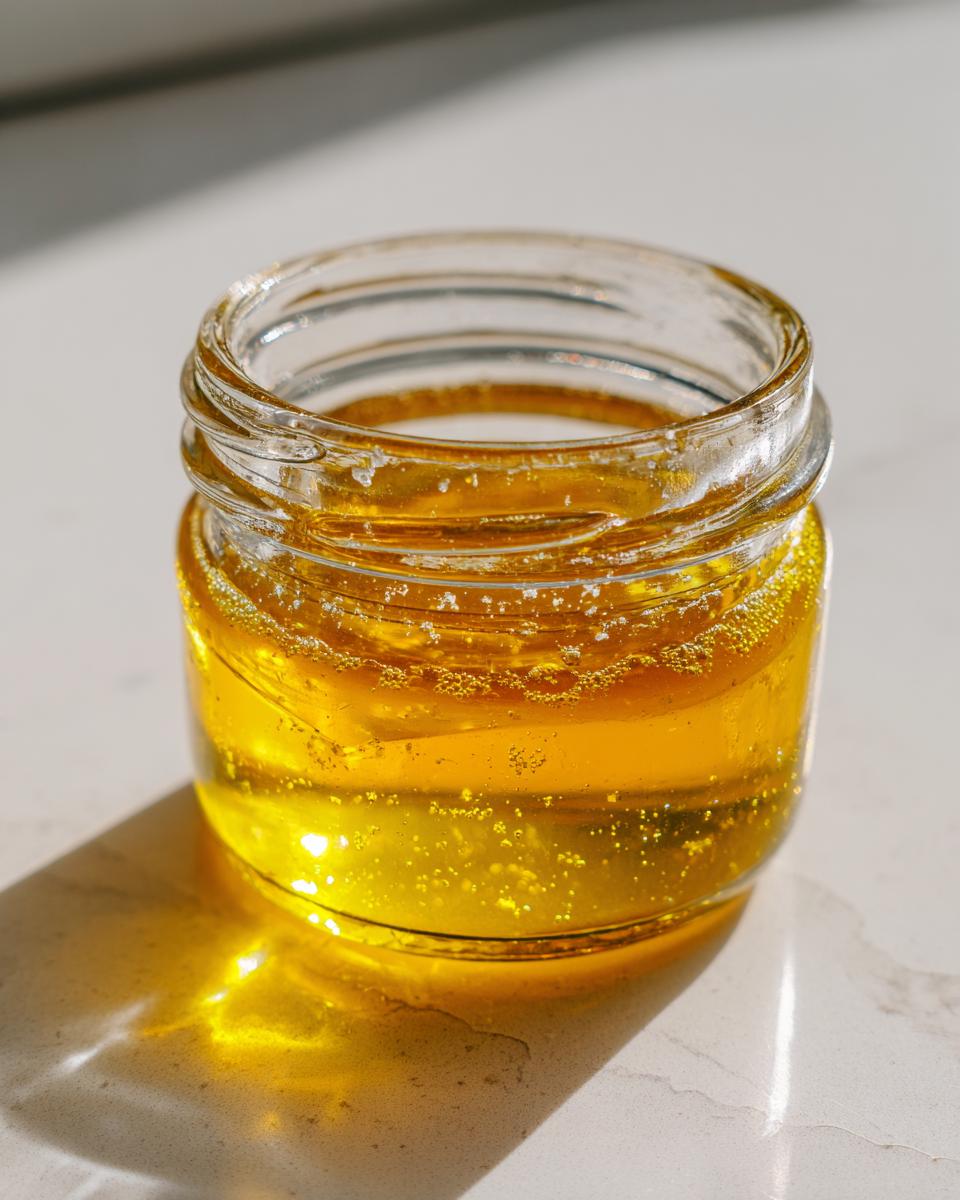
Next up is the acid. This is where the tang comes from! You need a vibrant acid—think fresh lemon juice, good red wine vinegar, or even apple cider vinegar. The balance between your fat (oil) and your acid is crucial for that addictive zesty flavor that makes you want to finish the whole bowl of greens. Don’t forget the fresh aromatics, like garlic or shallots; these breathe life into the mixture instantly. They make the difference between a tired dressing and a gourmet one!
Tips for Perfect Emulsification in Your Salad Dressing
So, what’s making everything look smooth and not like oil floating on vinegar? That’s emulsification! It’s just forcing the oil and acid to buddy up, even though they naturally want to separate.
- Always pour your oil in slowly, especially if you are whisking by hand. Think teardrop by teardrop when you first start adding it in!
- Dijon mustard or even a tiny bit of honey acts as an emulsifier—it helps hold the oil and water-based liquids together so your dressing stays creamy longer.
- If you’re using a jar, make sure that lid is TIGHT. Shaking hard and fast is often easier for busy cooks than slow whisking.
Recipe 1: The 5-Minute Everyday Lemon Salad Dressing
Okay, here we are! This is the workhorse of my kitchen, the recipe I rely on when a boring pile of spinach is staring me down. This incredible lemon salad dressing elevates anything you put it on, and the best part? It takes less than five minutes flat. Seriously, that’s faster than digging through the cabinet for a bottle of the mediocre store-bought stuff. This basic vinaigrette is the perfect starting point for mastering salad dressing because it relies on fresh zest and acid, making it a flavorful 5 minute dressing champion. Once you nail this simple formula, you’ll never look back. And if you’re looking for ways to use up these amazing, fresh salads, check out my strategy for healthy lunch recipes.
Ingredients for This Easy Salad Dressing
Gather these items up. I promise, you likely have most of them right now, which is what makes this such a fantastic everyday choice!
- 1/2 cup extra virgin olive oil
- 1/4 cup fresh lemon juice
- 1 tablespoon Dijon mustard
- 1 teaspoon maple syrup (optional for just a hint of balance)
- 1 clove garlic, minced (don’t skip this, it wakes everything up!)
- 1/2 teaspoon salt
- 1/4 teaspoon black pepper
How to Prepare This Quick Salad Dressing
You have two choices here depending on your mood—the vigorous workout option or the speed-shaking option. Both deliver fantastic results in about 5 minutes total prep time.
- Grab a small bowl and combine your olive oil, that gorgeous lemon juice, the Dijon mustard, maple syrup (if you’re using a touch of sweetness), your minced garlic, salt, and pepper.
- If you’re whisking, go at it! Whisk vigorously until the mixture stops looking like separate liquids and becomes fully emulsified, looking a bit thicker and lighter yellow.
- Alternatively, toss everything into a small jar, secure the lid tightly—and I mean TIGHT—and shake like crazy until it looks creamy!
- Taste time! This is where you make it yours. Add a tiny pinch more salt or a drop more maple syrup if your lemons were super tart.
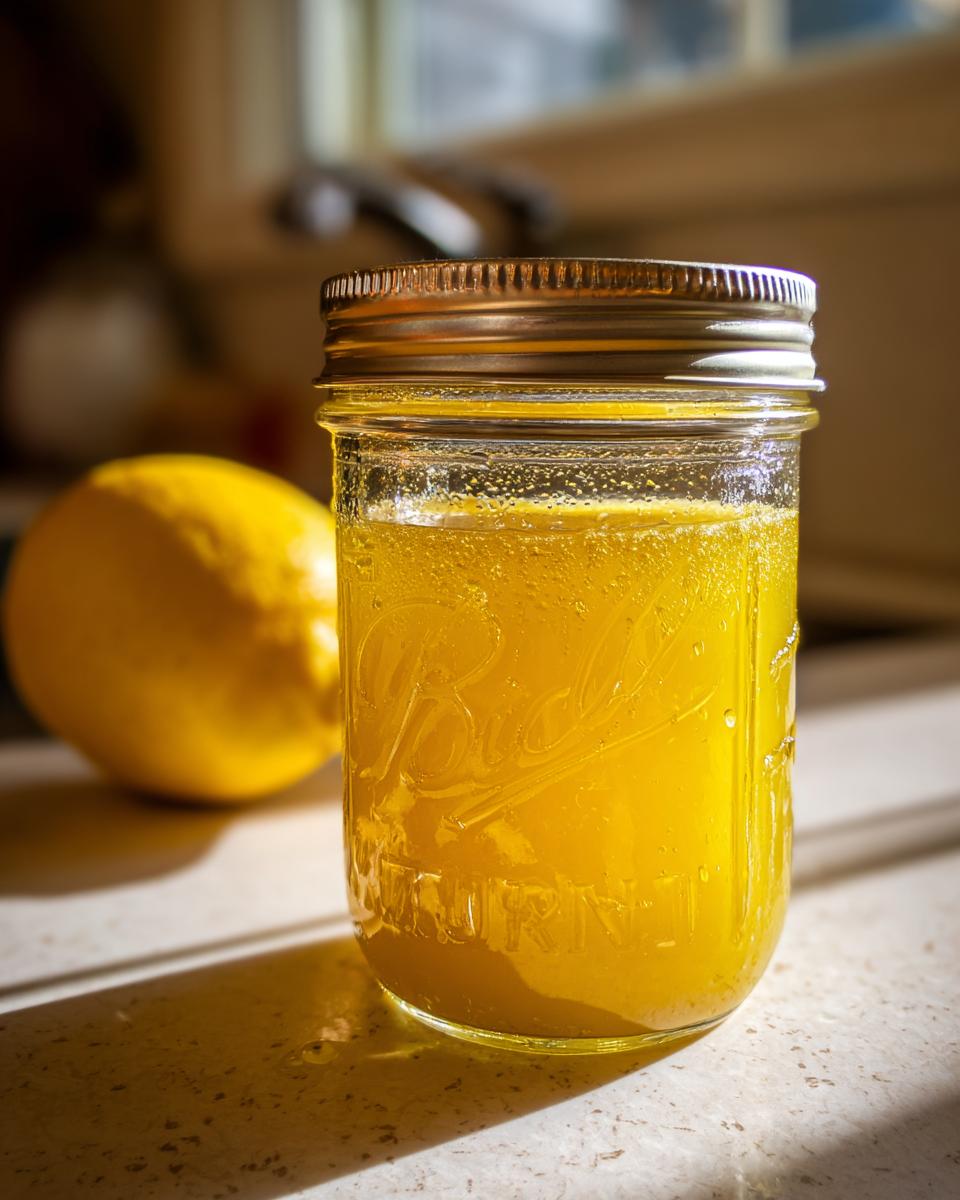
Making Your Lemon Salad Dressing Creamier or Healthier
While this specific recipe is a bright vinaigrette, you can easily customize it to suit whatever texture you’re craving. It’s all about versatility!
- For a creamier texture, add 2 tablespoons of plain Greek yogurt or a good quality mayonnaise to the mixture. It instantly turns it into something richer and almost like a thinned ranch!
- This base recipe makes about 3/4 cup of dressing. If you’re doubling it for the week, just scale your measurements up proportionally so you have plenty for your meal prep dressings.
- Remember to store all homemade salad dressing in an airtight container in the fridge. If it gets really cold, the olive oil might solidify a bit. Just let it chill on the counter for about 10 minutes before serving; it will loosen right up!
Beyond Vinaigrette: Mastering Creamy Salad Dressing Recipes
Now, I know the lemon vinaigrette is fantastic for everyday salads, but sometimes, you just need something that feels a little more decadent, right? That’s when we pivot to the world of creamy salad dressing. These options are richer, bolder, and they absolutely transform simple greens into something hearty enough for dinner.
Thinking about those restaurant salads that always hit the spot? A lot of that magic comes from a perfectly balanced, emulsified creamy base. We have some showstoppers in our larger collection, like creamy Italian, but let’s talk about the heavy hitters. If you’re looking for that ultimate savory experience, you simply must try a great parmesan dressing. And yes, I also have the secrets to a homemade ranch dressing that puts bottled versions to shame!
If you’re serving up something hearty, like some leftover grilled chicken or a big pasta salad, you’ll want to check out my recipe for chicken Caesar pasta salad, because the dressing is the star of that show, too!
Recipe 2: Savory Parmesan Salad Dressing Inspiration
When I developed my signature parmesan dressing, I was aiming for that intense umami bomb you get in those amazing Caesar-style dressings, but without the fuss. This isn’t just about throwing cheese into oil; it’s about achieving that perfect mouthfeel—silky smooth but with that sharp, salty cheese flavor cutting through everything.
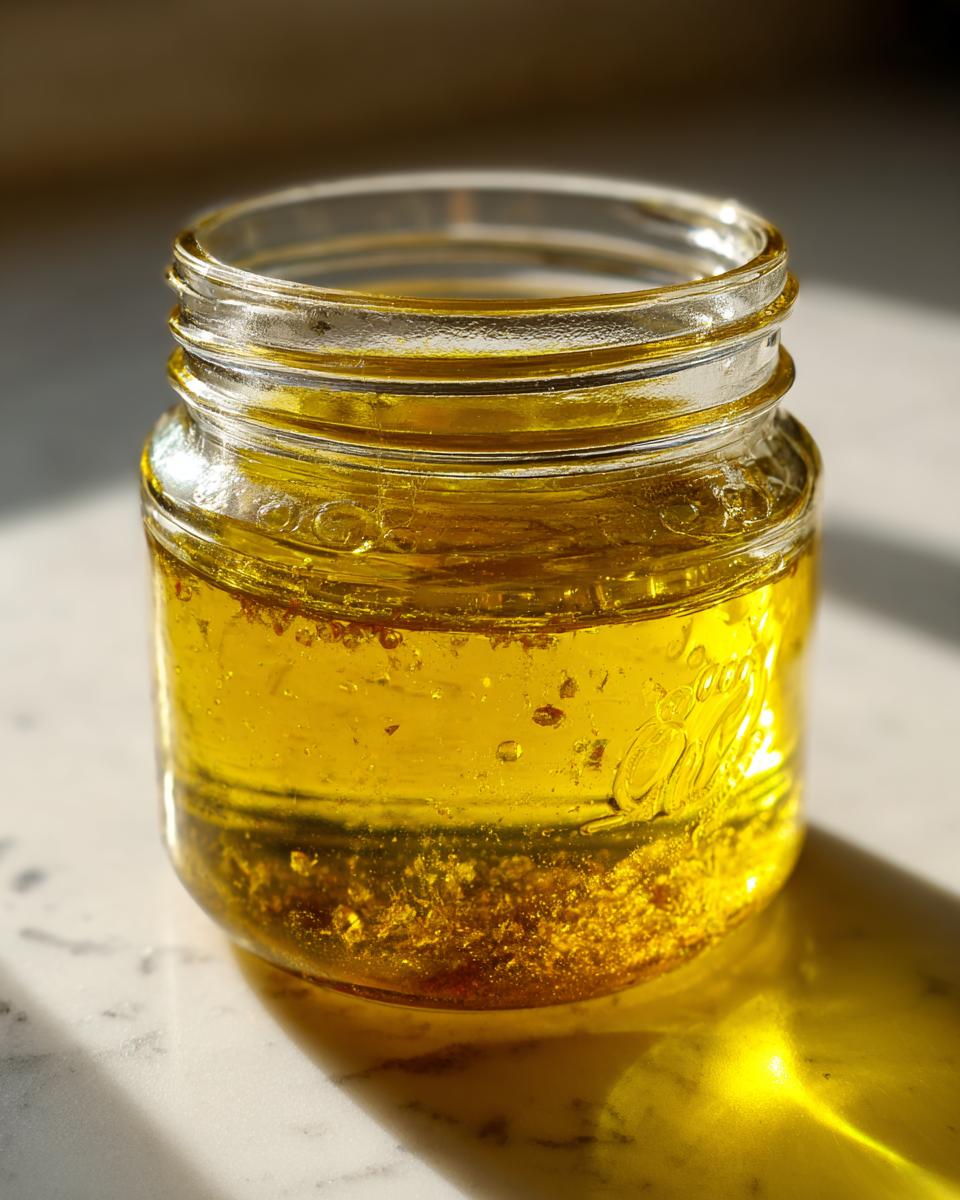
It just sings next to crunchy romaine lettuce, but honestly, this rich dressing is also incredible drizzled over roasted asparagus or even as a dip for crisp celery sticks. It’s all about quality ingredients building deep flavor, and this one is complex and satisfying, even though it comes together incredibly fast!
Flavor Twists: Gourmet Salad Dressing Variations
Once you master that basic vinaigrette I showed you, the whole world of salad dressing opens up! It’s like having a secret flavor palette in your back pocket. We aren’t just making basic oil and vinegar mixes anymore; we’re creating gourmet toppers that feel restaurant-quality. If you’re thinking about fall vegetables or maybe something to toss with roasted sweet potatoes, you’ll want to explore the variations.
Our collection moves way beyond just lemon. We’ve got bright citrus vinaigrette options that practically scream summer, and of course, we have those warm, savory combinations that make salads feel comforting in the cooler months. Want to make your greens worthy of a topping like my candied pecans recipe? These flavor twists are how you get there!
Maple Dijon Dressing: A Sweet and Tangy Salad Dressing
If I could only pick one flavor combination to exist forever, it might be maple and Dijon mustard together. This maple dijon dressing is the absolute definition of sweet and tangy perfection. It’s robust enough to handle the bitterness of Brussels sprouts or kale, but still gentle enough for delicate butter lettuce. It’s a totally versatile salad dressing that honestly tastes amazing even drizzled on a baked ham. It balances that woodsy sweetness of maple with the sharp punch of good mustard. It’s absolutely essential!
Dietary Considerations for Homemade Salad Dressing
One of the absolute best parts about whipping up your own salad dressing is knowing exactly what went into that jar. I’ve always made sure every recipe I share meets a few common needs because eating well shouldn’t be hard, regardless of your pantry rules. Whether you need something strictly gluten free dressing or looking for robust vegan salad dressing options, we’ve got you covered.
For our gluten free dressing needs, it’s usually pretty straightforward. Unlike store-bought sauces that sometimes sneak in wheat binders or modified food starch, if you stick to pure oil, vinegar, fresh herbs, and mustard, you’re probably fine. You just need to double-check your Worcestershire sauce or soy sauce if you’re using those complex flavor boosters.
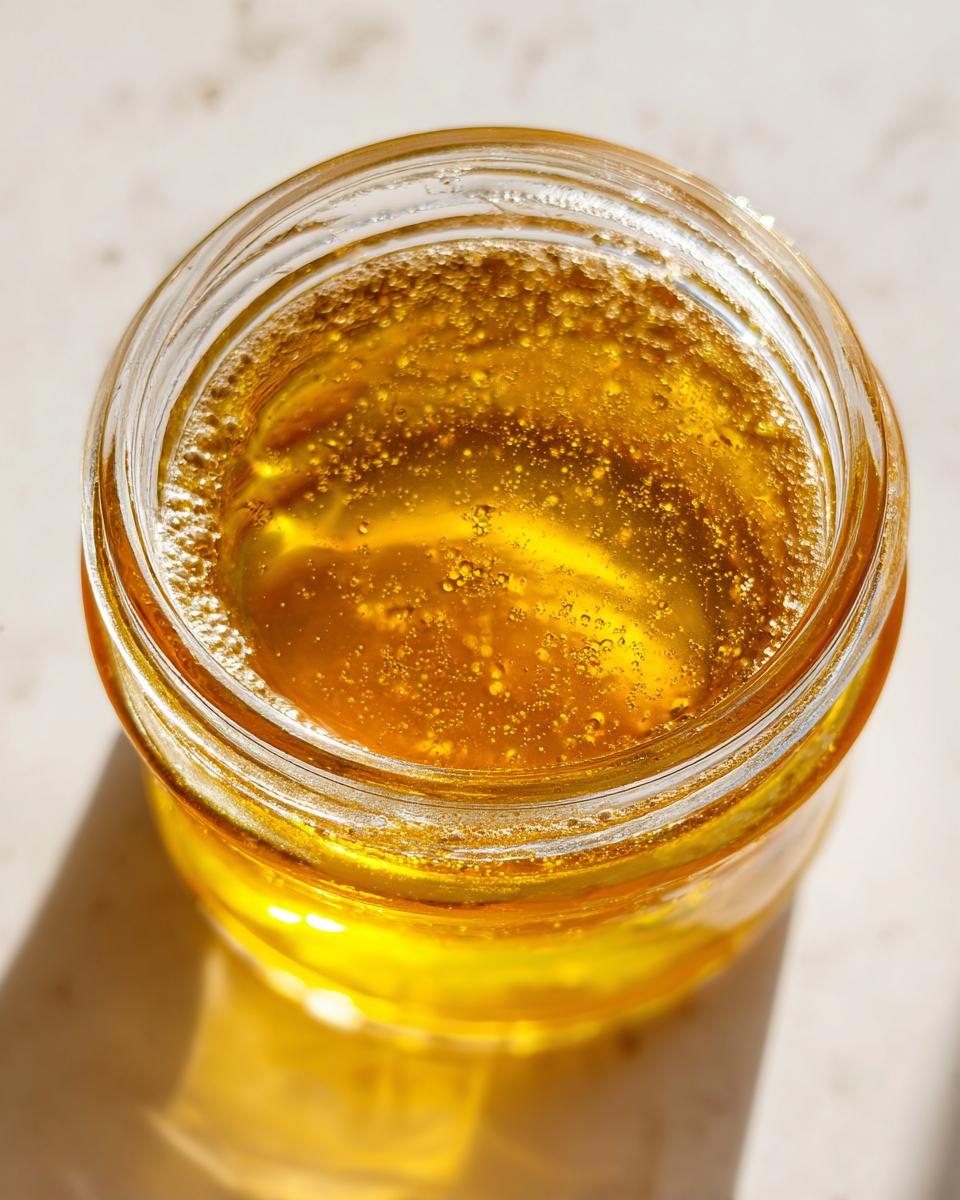
When it comes to going fully plant-based for a great vegan salad dressing, that’s where the magic of substitutes really shines. You can achieve that creamy texture we all love without using eggs or dairy! Instead of yogurt or sour cream for a creamy finish, feel free to blend in soaked cashews, silken tofu, or avocado. It creates a beautiful richness that tastes incredible and is perfect for everyone at the table.
Tips for Meal Prep Success with Your Salad Dressing
Okay, this is where we take the amazing flavor we just made and make it work for your crazy schedule. My biggest frustration used to be that fantastic salad dressing I made on Sunday would be completely separated and unappetizing by Wednesday lunch. We need a strategy for your meal prep dressings so they perform all week long!
The key here is storage, which is tied right back to that emulsification we talked about earlier. If you shake your dressing really well, it’ll hold together for a day or two, but eventually, oil and vinegar just want to live separately. You do not need to re-whisk every single time, but you do need to know how to refresh it quickly.
Always use airtight containers—mason jars are my absolute favorite for this. They seal so tightly, which minimizes air getting in and slowing down any flavor degradation. When you pull it out of the fridge, you’ll often find the olive oil has hardened up a bit if you used a higher ratio of oil, which is totally normal. Just don’t try to pour it like that!
Before you pour it on your salad, grab that jar, put the lid on tight, and give it a really hard, vigorous shake for about 15 seconds. If you are using something really thick, like the creamy ranch style, you might need to whisk it quickly in a small bowl instead of shaking. If you’re making these for your quick, easy breakfast routines or packing lunches, making a big batch of your base vinaigrette on Sunday afternoon means you’ve already solved the lunch problem for five days.
Also, try not to put the dressing directly onto the salad greens if you’re packing lunches ahead of time. Keep the dressing in its jar or a tiny separate container completely apart from the greens. Wait until you are literally about to eat to mix them. This stops the salad from getting soggy before lunchtime rolls around. It’s such a small step, but it keeps your greens crisp and your homemade salad dressing tasting freshly made all week long!
Frequently Asked Questions About Making Salad Dressing
I know sometimes even with the best instructions, questions pop up once you get into the kitchen. That’s totally normal! Cooking is all about experimentation and learning the little tricks. Here are a few things I hear most often from folks who are ditching the bottled stuff for the first time and embracing that super flavorful homemade salad dressing life.
How long does homemade salad dressing last?
This is the big one, right? Because we aren’t using all those weird preservatives that store-bought options have, they won’t last six months in the cabinet! For most oil and vinegar based dressings, like our lemon vinaigrette, you can store them in an airtight container in the refrigerator for up to one week. If you add dairy, like yogurt or buttermilk for a creamy salad dressing, I’d drop that window down to about 5 days max, just to be safe. Just remember that little resting period on the counter before serving, which I mentioned earlier!
Can I make a healthy salad dressing without oil?
Yes, totally! If you are trying to cut back on fats or just don’t have good olive oil on hand, you can absolutely pivot. The key ingredient you need to replace the oil’s body is a creamy, thick base. Try swapping all or most of the oil for plain Greek yogurt—that’s fantastic for a tangy, thicker healthy salad dressing recipe. Alternately, using vegetable broth, or even water mixed with a little Dijon mustard, works magically in a pinch to help that emulsion stick together. It won’t have the same lush mouthfeel as an oil-based one, but it’ll get the job done for your greens!
What is the best way to make a perfect vinaigrette recipe?
If you want a foolproof vinaigrette recipe every single time, you need to stick to the golden ratio—it’s non-negotiable for that classic balance! Always aim for three parts oil to one part acid. So, if you use 1/2 cup of olive oil, you should use 1/6 cup of vinegar or lemon juice. Once you have that ratio down, the flavor adjustments are easy—a little salt, a touch of honey, some pepper—but keeping that 3:1 ratio locks in the perfect flavor profile that separates a good homemade salad dressing from a great one.
Next Steps for Your Best Salad Dressing
Alright, you’ve got the knowledge on why fresh beats bottled every time, and you even mastered that lightning-fast 5-minute lemon salad dressing! Now comes the fun part: making these recipes your own. I truly believe that a recipe is just a starting point, not a law book. This is where your creativity comes in!
I really want to see how you twist these foundations. Did you add smoked paprika to the vinaigrette? Maybe you folded in some finely chopped fresh dill into the creamy dressing base? Don’t keep those genius ideas to yourself!
Head down to the comments section below and tell me which of these 15 essential homemade dressings you tried first. What flavor combination did you discover that made your salad absolute perfection? Which new way of preparing your salad dressing is going to save your busy weeknights? I love hearing your kitchen victories, so don’t be shy! If you ever have a question while you’re in the process, you can always reach out to me directly via my contact page. Happy tossing!
Print15 Essential Homemade Salad Dressings: From Creamy Ranch to Zesty Vinaigrette
Stop buying store-bought dressings. This collection gives you 15 easy, healthy homemade salad dressing recipes, including creamy Parmesan, classic vinaigrette, and zesty lemon options, to instantly upgrade your salads.
- Prep Time: 5 min
- Cook Time: 0 min
- Total Time: 5 min
- Yield: 8 servings 1x
- Category: Condiment
- Method: Whisking
- Cuisine: American
- Diet: Vegetarian
Ingredients
- 1/2 cup extra virgin olive oil
- 1/4 cup fresh lemon juice
- 1 tablespoon Dijon mustard
- 1 teaspoon maple syrup (optional)
- 1 clove garlic, minced
- 1/2 teaspoon salt
- 1/4 teaspoon black pepper
Instructions
- Combine olive oil, lemon juice, Dijon mustard, maple syrup (if using), minced garlic, salt, and pepper in a small bowl.
- Whisk vigorously until the dressing is fully emulsified and slightly thickened.
- Alternatively, place all ingredients into a jar with a tight-fitting lid and shake well until combined.
- Taste the dressing and adjust seasoning, adding more salt, pepper, or maple syrup as needed for your preference.
- Use immediately over your favorite salad greens or store in the refrigerator for later use.
Notes
- For a creamy texture, add 2 tablespoons of plain Greek yogurt or mayonnaise to the base recipe.
- This basic vinaigrette recipe yields about 3/4 cup of dressing. Scale quantities up for meal prep.
- Store homemade salad dressing in an airtight container in the refrigerator for up to one week. Let it sit at room temperature for 10 minutes before serving if it solidifies.
Nutrition
- Serving Size: 2 tbsp
- Calories: 110
- Sugar: 1
- Sodium: 150
- Fat: 12
- Saturated Fat: 1.5
- Unsaturated Fat: 10.5
- Trans Fat: 0
- Carbohydrates: 1
- Fiber: 0
- Protein: 0
- Cholesterol: 0