

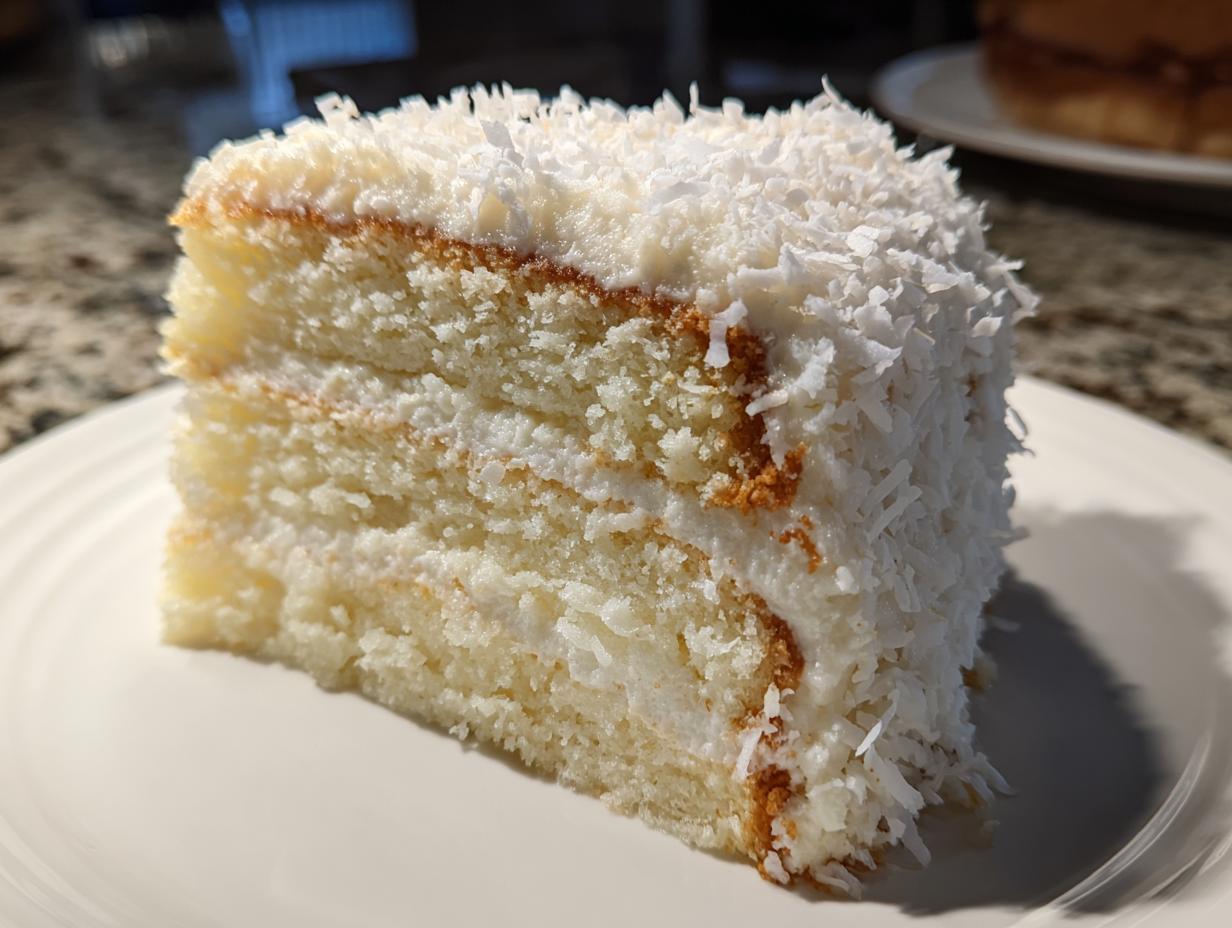
We all have that one dessert we reach for when a major celebration rolls around—the one that absolutely has to be right. For me, that reliable showstopper, the one that never lets me down even when my schedule is totally bonkers, is this coconut cake recipe. I know you’re looking for that perfect balance: incredibly moist layers that feel light, not dense, smothered in the fluffiest frosting imaginable. Trust me, The Best Moist and Fluffy Southern Coconut Cream Layer Cake delivers that dreamy, bakery-style finish!
This recipe is a busy person’s lifeline because it moves fast but tastes like it simmered all day. It’s packed with tropical flavor, and honestly, it’s the homemade coconut dessert I grew up loving. If you need a showstopper that proves you didn’t spend all weekend elbow-deep in flour, you’ve found your new go-to. Before we dive into the steps, I want to share exactly *why* this combination of ingredients works so well together. We’ve got simple delicious desserts nailed down here, promise.
- Why This Southern Coconut Cake Recipe Delivers Dreamy Results
- Gathering Ingredients for Your Coconut Layer Cake Recipe
- Step-by-Step Instructions for the Best Coconut Cake Recipe
- Tips for Baking a Bakery Style Coconut Cake
- Variations on the Classic Coconut Cake
- Serving Suggestions for Your Layer Cake for Celebrations
- Storing and Reheating Your Homemade Coconut Dessert
- Frequently Asked Questions About This Coconut Cake
- Nutritional Estimate for This Fluffy Coconut Dessert
- Share Your Experience Making This Coconut Cake
- Nutritional Estimate for This Fluffy Coconut Dessert
- Share Your Experience Making This Coconut Cake
Why This Southern Coconut Cake Recipe Delivers Dreamy Results
I get asked all the time how I manage to make a cake that stays soft for days. It’s not luck; it’s just knowing a few reliable tricks that elevate this moist coconut cake from good to absolutely unforgettable. When you’re aiming for that next-level, light, and fluffy coconut dessert, we have to focus on the structure first, then the moisture second.
If you’re looking for more dependable baking secrets, I break down my approach to other favorite recipes over at my piece on moist classic carrot cake recipe—the principles are very similar!
Achieving a Light and Fluffy Cake Texture
Texture is everything here. We aren’t using buttermilk, which can sometimes make cakes too tender to stack tall. Instead, we use simple whole milk combined with that lovely softened butter and sugar beat together for a full two minutes. That time is crucial! You are physically whipping air into the batter, which creates those tiny pockets. Those pockets are what expand in the oven, making the cake layers feel light and barely there once they cool. Don’t rush that electric mixer step, or you end up with something denser than we want.
The Secret to a Moist Coconut Cake
The real moisture magic comes from liquid balance. We use both regular whole milk *and* unsweetened coconut milk in the batter. That extra bit of fat and liquid from the coconut milk prevents the cake from realizing it’s missing a lot of the heavy oils found in, say, a traditional pound cake. And please, listen to me: don’t overbake this coconut cake! Pull it out the second the toothpick comes clean. A few moist crumbs clinging to the stick mean perfection; anything drier means you’ve lost some of that precious moisture.
Gathering Ingredients for Your Coconut Layer Cake Recipe
Okay, we are ready for the fun part: gathering our arsenal! As I always say here at Cooking by Felix, you don’t need a pantry full of fancy imported extracts or rare flours to make something spectacular. What you do need is precision with what you *do* use. For this coconut layer cake recipe, clarity on measurements—especially temperature—is what locks in that incredibly fluffy texture we are aiming for.
We want accessible, high-quality staples that let the coconut shine. If you need a little refresher on adding extra pizzazz to recipes, check out my notes on candied pecans recipe; sometimes, the simplest additions make the biggest difference!
For the Fluffy Coconut Cake Layers
When you pull out these items, please make sure your butter is truly softened—soft enough that your finger leaves an imprint but not greasy or melted. Also, notice we call for both whole milk AND coconut milk; don’t skip one or the other!
- 1 3/4 cups all-purpose flour
- 1 3/4 cups granulated sugar
- 1 tablespoon baking powder
- 1/2 teaspoon salt
- 1 cup unsalted butter, **softened**
- 4 large eggs
- 1 cup whole milk
- 1 teaspoon vanilla extract
- 1/2 cup unsweetened coconut milk
- 1 cup sweetened shredded coconut (to go *inside* the cake layers)
For the Coconut Cream Cheese Frosting
This frosting is what takes the cake over the top! The cream cheese is essential; it cuts through the sweetness of the sugar and leaves your tongue begging for another bite. It gives that slight, necessary tang that balances the tropical flavor profile wonderfully.
- 1/2 cup cream cheese, **softened**
- 1/2 cup unsalted butter, **softened**
- 3 cups powdered sugar
- 1 teaspoon coconut extract
- 1/4 cup heavy cream
- 1 cup sweetened shredded coconut (this is what you’ll use for coating the outside)
Step-by-Step Instructions for the Best Coconut Cake Recipe
Look, I know when you’re reading recipes online, sometimes the instructions feel like they were written by a robot who has never actually used a whisk. Not here! I’ve broken down everything we need to do for The Best Moist and Fluffy Southern Coconut Cream Layer Cake into bite-sized, totally achievable actions. We are talking about taking simple ingredients and turning them into something elegant—it’s like magic, but it’s actually just good technique.
If you want to save this recipe for when you’re ready, just make sure you bookmark it, or check out my full collection of simple delicious desserts for later reference!
Preparing the Cake Layers
First things first: get that environment set. You have to preheat your oven to 350°F (175°C). Next, grease and flour **three** 8-inch round cake pans—and this is important for easy release—line the bottoms with parchment paper. Don’t skip the lining, trust me.
In your big mixing bowl, whisk together the dry things: flour, sugar, baking powder, and salt. Now, drop in the softened butter, eggs, whole milk, vanilla extract, and coconut milk. Turn on your mixer to medium speed and beat for a solid two minutes until you see that batter smooth out. This is where the air comes in! By hand, give it just a loving stir to fold in that first cup of sweetened shredded coconut.
Divide that gorgeous batter evenly between your three pans. Bake them for 28 to 32 minutes. You’ll know they are done when a toothpick comes out clean. Let them cool in those pans for 10 full minutes before you turn them out onto a wire rack. They *must* cool completely before the next step, or we’ll have a melted mess!
Making the Coconut Cream Cheese Frosting
While those layers are cooling down, we make the frosting. In a separate bowl, beat your softened cream cheese and softened butter until they look perfectly smooth and happy together. Now, gradually add in the powdered sugar, mixing slowly at first so you don’t create a cloud of sugar dust in your kitchen! Once it’s all incorporated, beat it up until it looks wonderfully light and fluffy. Finish by beating in the coconut extract and the heavy cream until you have that dreamy consistency.
Assembling Your Coconut Cake
This is the grand finale! Take your first completely cool layer and place it on your serving plate. Spread a generous, even layer of that coconut cream cheese frosting over the top. Now, sprinkle a small handful of the final cup of shredded coconut over the frosting.
Top it gently with the second layer, and repeat the frosting and sprinkling process. Place that beautiful third and final layer on top. Now, cover the top and all the sides smoothly with the rest of your frosting. Take that last cup of shredded coconut and press it onto the sides and top for that spectacular, snowy, bakery style coconut cake finish.
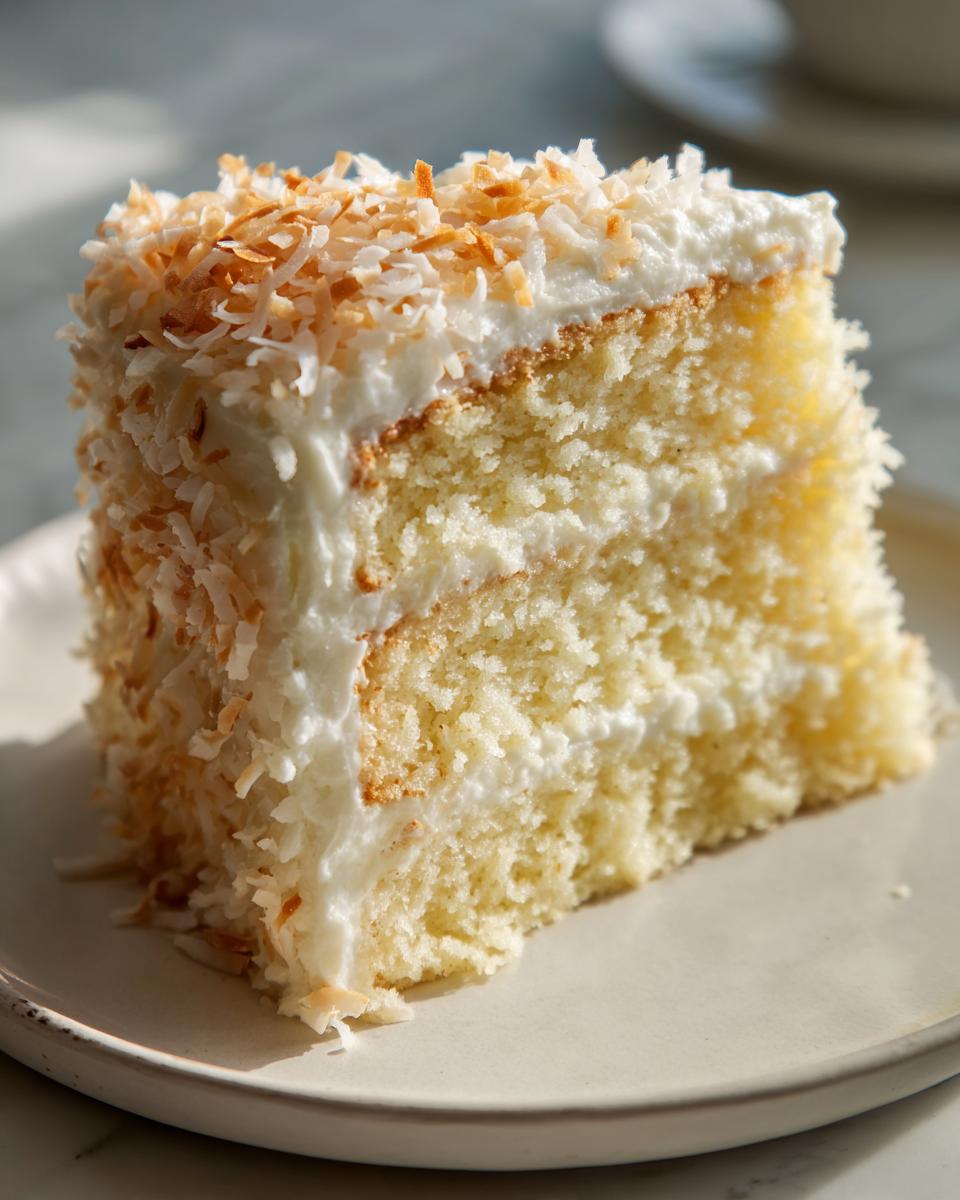
But wait, one last crucial step for stability: Chill the whole thing for at least 30 minutes before you attempt to slice it. Patience pays off immensely here!
Tips for Baking a Bakery Style Coconut Cake
Making a truly bakery style coconut cake at home is all about those tiny details that seem insignificant but completely change the outcome. We already established the base recipe is fantastic, but if you want to really bring that tropical perfection into your kitchen, you need to be obsessed with ingredient quality and a few extra finishing touches. I’ve learned these little tricks over the years, and implementing them will honestly level up your entire cake game.
For more ways to elevate simple components, you should see how much difference browning your butter makes in my brown butter chocolate chip cookies recipe! The same principle applies here—don’t be afraid to put in a little extra work at the end.
Ingredient Enhancements for the Ultimate Coconut Cake
First off, when it comes to that coconut milk you use in the batter—please, please use the full-fat canned stuff. The carton or beverage aisle milk just doesn’t have the necessary fat content, and that is what keeps this coconut cake so wonderfully tender. Don’t skimp there!
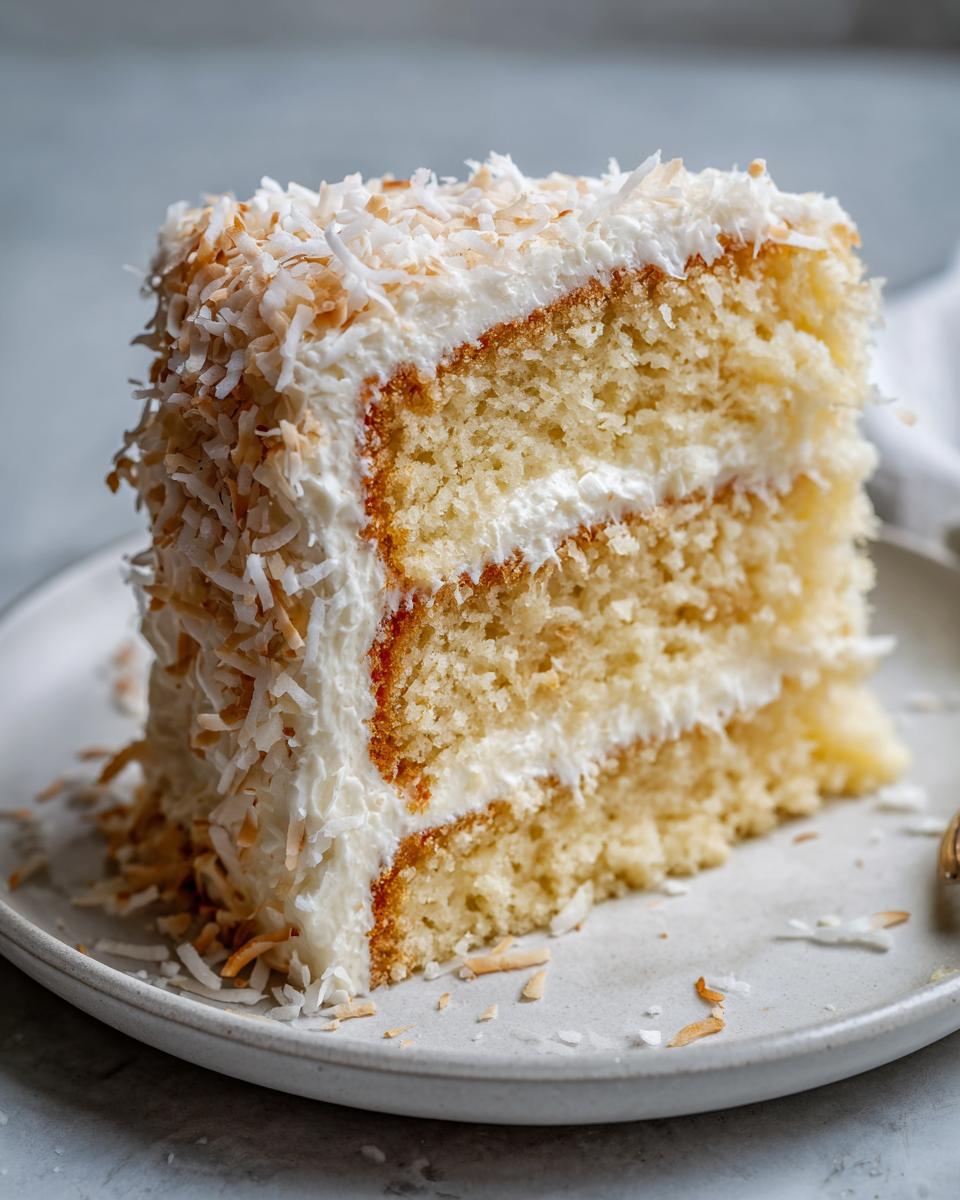
My absolute favorite trick for impact is to toast the shredded coconut right before you apply the final coating. Just spread it on a baking sheet and pop it in the oven for about five minutes at 325°F. Watch it like a hawk! You just want golden edges, not brown ones. That toasting releases an unbelievably fragrant, deep coconut flavor that screams tropical paradise when you’re slicing into that rich, flawless layer cake.
Variations on the Classic Coconut Cake
Even though this Southern style coconut cake reigns supreme in my kitchen, I totally get it if you need to switch things up sometimes! The beauty of a reliable cake base is that you can twist it into a completely different dessert without starting over. Sometimes you want something lighter, and sometimes you just need to use the pan you happen to have clean.
We’ve covered the classic three-layer setup, but these slight adjustments let you tackle those other popular tropical coconut dessert crazes you see popping up. If you’ve been inspired by flavors outside of the traditional Southern playbook, check out my thoughts on using brighter profiles like lemon in my lemon olive oil cake recipe—it helps when thinking outside the box!
Making a Dreamy Coconut Cloud Cake
If you’re picturing a cake that is so light it feels more like eating a sweet cloud, we can definitely aim for that! The main way to achieve that dreamy coconut dessert feeling is by transforming the frosting. Instead of using the buttercream as the final layer, we lighten it up dramatically.
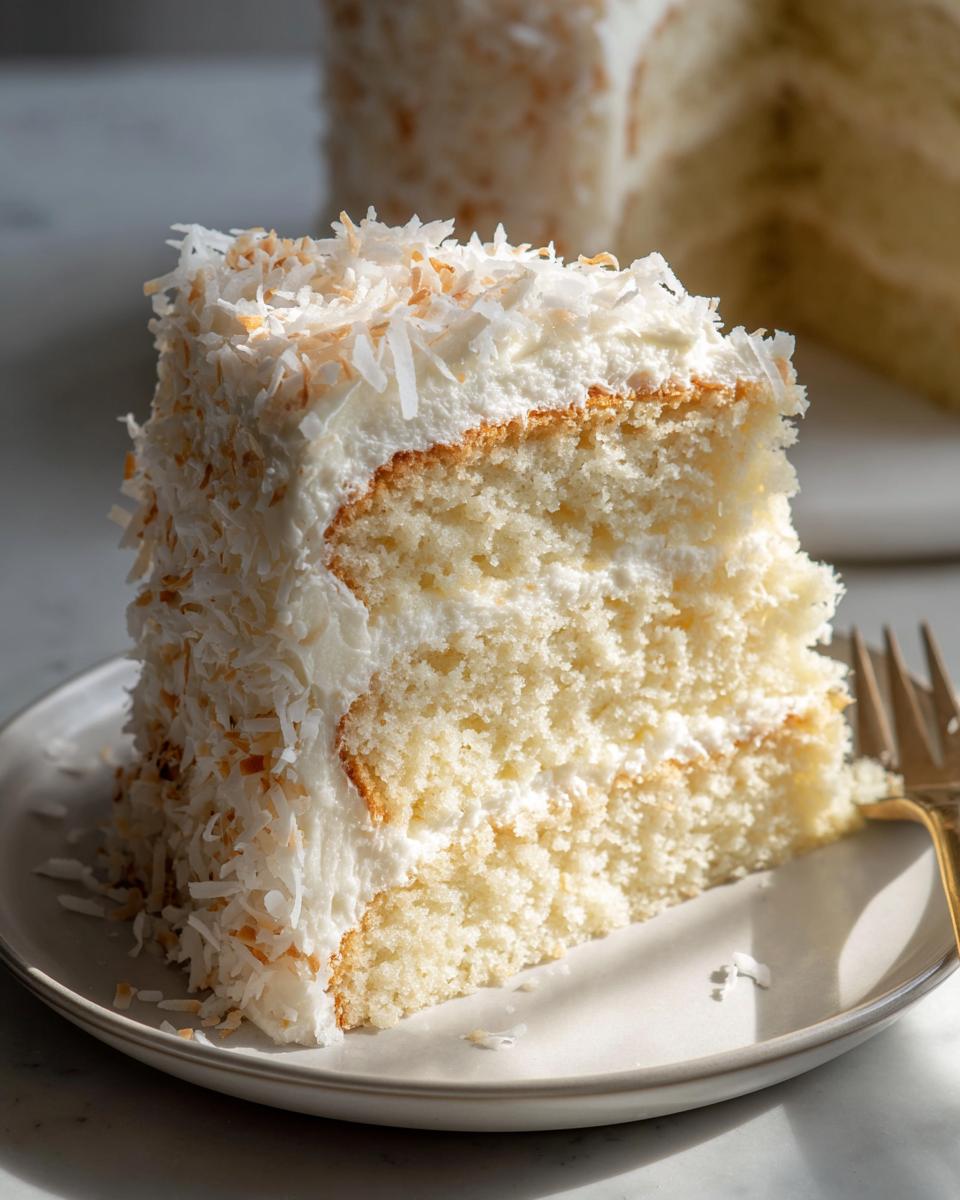
Take about half of the finished coconut cream cheese frosting and gently fold in about a cup of stiffly whipped, stabilized heavy cream. You need to do this by hand with a spatula, using slow, upward folding motions—we want to keep all that incorporated air! Use this lighter ‘cloud frosting’ to generously cover the cake. If you really want to channel that *Coconut Cloud Cake* vibe, you can spread the frosting between the layers too, but keep the base layers slightly thinner than the top, just to emphasize that airy height. To see another approach to that ethereal texture, you can look at the inspiration I found over at Coconut Cloud Cake: Light, Fluffy, and Dreamy.
For those days when you don’t want the height of a layer cake, you can easily pour this same batter into a greased Bundt pan. You’ll just need to increase the baking time—start checking around 45 minutes—and it’s perfect drizzled simply with a powdered sugar glaze instead of the heavy frosting!
Serving Suggestions for Your Layer Cake for Celebrations
When you finally have this show-stopping layer cake for celebrations sitting beautifully on the counter, the final challenge comes down to what you serve alongside it. This cake is rich, it’s sweet, and it’s packed with tropical goodness. Because it’s so decadent on its own, you want accompaniments that either cut through that sweetness or complement the coconut without totally overwhelming it.
Think about balancing the richness! Since we’ve loaded this cake up with cream cheese frosting, a simple, sharp beverage works wonders to refresh the palate between bites. If you feel like indulging even further, I have a recipe for boozy hot chocolate that, while unexpected with coconut, can be amazing in cooler weather if you use a white chocolate base!
Here are my favorite things to pair with this cake when I serve it for holidays or big birthdays:
- For Coffee Drinkers: Forget sugary syrups. Stick to a straight, strong black coffee, maybe an Americano. The slight bitterness is the perfect foil for the frosting’s sweetness.
- For Tea Lovers: A brisk, slightly earthy black tea works beautifully. Think Earl Grey or a strong English Breakfast. The bergamot in Earl Grey adds a nice citrus lift that complements the cake’s tropical notes beautifully.
- For a Light Finish: If you want something chilled, skip the heavy sodas. A small glass of Moscato or a very dry Prosecco is elegant and won’t compete with the coconut flavor.
- Simple Fruit Accent: Sometimes texture is key. A small side of fresh, slightly tart raspberries or even thinly sliced kiwi brings a natural acidity that cleanses the palate after a big slice of that fluffy dessert.
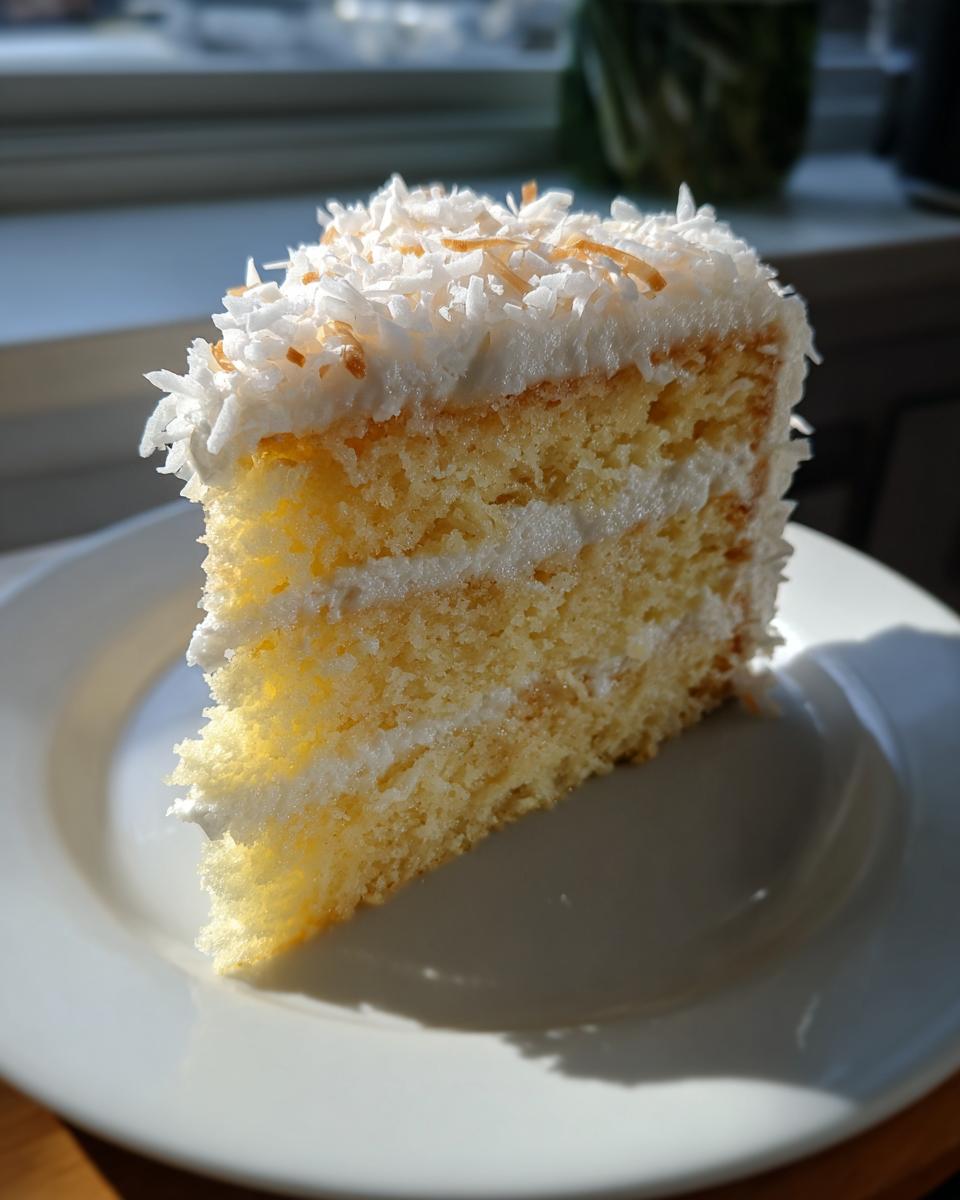
Remember, the cake is the star of the show, so whatever you serve alongside it should just be there to support its gorgeous tropical flavor, not steal the spotlight!
Storing and Reheating Your Homemade Coconut Dessert
Okay, you’ve made this gorgeous, decadent homemade coconut dessert, and you simply cannot eat it all in one sitting—though I totally admire the attempt! The good news is that this cake handles storage surprisingly well, thanks to that amazing cream cheese frosting which helps lock in moisture.
Here is my method for keeping every slice tasting as fresh as the first one you cut. This advice applies whether you plan on keeping it for a few days or storing leftovers for later that week.
The Best Way to Store a Frosted Coconut Cake
Because we are using cream cheese and butter in the frosting, refrigeration is a must to keep everything stable and safe. Don’t just wrap it up loosely, though; that leads to dry edges and moisture loss!
- Chill First: After assembling, put the whole cake uncovered in the fridge for about 30 minutes. This sets the frosting slightly, making it less prone to smearing when you cover it.
- Cover Gently: Once the frosting is set, cover the cake loosely with plastic wrap. I mean *loosely*—don’t let the plastic touch the frosting directly if you can help it, or you’ll ruin your beautiful coating! If the cake is tall, you can use toothpicks inserted around the top edge like little structural poles to prop the plastic wrap up slightly.
- Time Frame: Kept this way in the refrigerator, this cake should stay perfectly moist and delicious for about four full days. The coconut flavor actually deepens slightly, which is a wonderful bonus!
Bringing it Back to Room Temperature
This is probably the most common mistake people make with frosted layer cakes—and please don’t fall for it! Cutting into cold cake tastes flat and dense because that butter and cream cheese in the frosting are rock hard at fridge temperature.
Always, always pull your cake out about one to two hours before you plan to serve it. Let it sit on the counter, still covered loosely, while it warms up slowly. When it comes back up to room temperature, the frosting softens perfectly, the cake layers become tender again, and all those amazing coconut and vanilla aromas really wake up. It totally transforms the eating experience!
Can You Freeze Extra Cake?
Yes, you absolutely can freeze this cake, but I strongly suggest cooling the layers *before* frosting them. If you need to store leftover slices, here’s the secret:
- Wrap individual slices very tightly in plastic wrap first, then slide them into a large zip-top freezer bag. This prevents freezer burn.
- They hold up great for about two months this way.
- When you want to eat one, take it out of the freezer, leave it wrapped, and let it thaw overnight in the fridge. Then, bring it to room temp as mentioned above!
For longer-term storage advice on baked goods that don’t rely on heavy frosting, you might want to check out my tips for keeping date nut bread fresh. The principles of airtight wrapping are pretty much universal!
Frequently Asked Questions About This Coconut Cake
I get asked so many great questions after people make this cake, and that’s fantastic! It means you’re really paying attention to the details, which is what makes all the difference between an okay cake and *this* amazing coconut cake. Here are some of the things I hear most often when people are preparing to bake this layer cake for celebrations.
If you need even more universal kitchen wisdom, check out my foolproof guide for easy one-pot Spanish rice—sometimes the easiest tips apply across all cooking!
Can I make this an easy coconut cake from scratch without three pans?
Oh, absolutely! Not everyone has three matching 8-inch pans lying around, and that shouldn’t stop you from baking. If you only have two 8-inch pans, you can certainly use them. You will need to increase the baking time by about 5 to 8 minutes, maybe a little more, because those layers will be slightly thicker. Just keep testing with that toothpick!
Alternatively, this batter makes fantastic cupcakes! If you fill your liners about two-thirds full, they only need 18 to 20 minutes. You’ll get a huge batch of fluffy coconut dessert cups, which are perfect for parties where people don’t want a huge slice.
What is the difference between this and a traditional Southern style coconut cake?
That’s a wonderful question; it gets right to the heart of why I developed this recipe! A truly old-school, traditional Southern style coconut cake often relies solely on vanilla buttercream or sometimes just a boiled milk frosting—it’s sweet, sweet, sweet, and very fluffy. It can sometimes feel a little fragile to stack because of the frosting type.
My recipe leans into what I call ‘modern Southern comfort.’ By bringing in softened cream cheese into the frosting, we stabilize the buttercream immensely, which gives us that beautiful structural support needed for high layers. Plus, that touch of cream cheese provides that slight, necessary tang, cutting through the richness so the cake feels less heavy and definitely more like a dreamy coconut dessert!
How can I intensify the tropical coconut dessert flavor?
If you want that flavor to really punch you in the nose with coconut goodness when you take a bite, you need to focus on two areas: the extract and the milk. First, make sure you are using a decent quality coconut extract—it makes a huge difference over artificial syrups.
Second, remember how we used both whole milk and coconut milk in the batter? To double down on the tropical flavor, take your simple syrup (if you choose to make one, which I recommend for extra moisture!) and use a mix of water and pure coconut milk instead of water and sugar. Boiling that coconut milk down slightly concentrates its essence, and brushing that onto the layers locks in a deeper, moist coconut cake flavor that sings!
Nutritional Estimate for This Fluffy Coconut Dessert
I always include this section for those of you tracking macros or just curious about what’s in every slice. Please remember that these numbers are rough estimates, calculated based on standard commercial ingredients, and they will definitely vary based on what brands you use, especially for the amount of fat in your butter.
This is an indulgence, for sure, but totally worth it for a special occasion! This information is for just one slice of this delightful fluffy coconut dessert.
- Serving Size: 1 slice
- Calories: 450
- Sugar: 55g
- Sodium: 210mg
- Fat: 24g
- Saturated Fat: 15g
- Unsaturated Fat: 9g
- Trans Fat: 0.5g
- Carbohydrates: 60g
- Fiber: 1g
- Protein: 4g
- Cholesterol: 85mg
Share Your Experience Making This Coconut Cake
That’s it, my friends! You now have everything you need to create what I truly believe is the hands-down best coconut cake recipe out there—one that balances that light, airy texture with deep tropical flavor. It’s a layer cake built for making memories, whether it’s for a big birthday or just needing a taste of the tropics midweek!
I put my heart into making these recipes achievable for the modern cook, and the best way I know how to gauge if I’m succeeding is by hearing from you! Did you try the frosting trick? Did the layers come out fluffy? Please leave your rating (I’m hoping for five stars!) in the comment section below. I’m always here to help if you run into snags, so don’t hesitate to reach out via my contact page. I can’t wait to see your gorgeous results!
Nutritional Estimate for This Fluffy Coconut Dessert
I always include this section for those of you tracking macros or just curious about what’s in every slice. Please remember that these numbers are rough estimates, calculated based on standard commercial ingredients, and they will definitely vary based on what brands you use, especially for the amount of fat in your butter.
This is an indulgence, for sure, but totally worth it for a special occasion! This information is for just one slice of this delightful fluffy coconut dessert.
- Serving Size: 1 slice
- Calories: 450
- Sugar: 55g
- Sodium: 210mg
- Fat: 24g
- Saturated Fat: 15g
- Unsaturated Fat: 9g
- Trans Fat: 0.5g
- Carbohydrates: 60g
- Fiber: 1g
- Protein: 4g
- Cholesterol: 85mg
Share Your Experience Making This Coconut Cake
That’s it, my friends! You now have everything you need to create what I truly believe is the hands-down best coconut cake recipe out there—one that balances that light, airy texture with deep tropical flavor. It’s a layer cake built for making memories, whether it’s for a big birthday or just needing a taste of the tropics midweek!
I put my heart into making these recipes achievable for the modern cook, and the best way I know how to gauge if I’m succeeding is by hearing from you! Did you try the frosting trick? Did the layers come out fluffy? Please leave your rating (I’m hoping for five stars!) in the comment section below. I’m always here to help if you run into snags, so don’t hesitate to reach out via my contact page. I can’t wait to see your gorgeous results!
PrintThe Best Moist and Fluffy Southern Coconut Cream Layer Cake
Bake this show-stopping Southern Coconut Cream Layer Cake. It features incredibly moist cake layers, rich coconut cream filling, and fluffy coconut frosting, making it a perfect, dreamy dessert for any celebration.
- Prep Time: 35 min
- Cook Time: 30 min
- Total Time: 65 min
- Yield: 12 servings 1x
- Category: Dessert
- Method: Baking
- Cuisine: American
- Diet: Vegetarian
Ingredients
- 1 3/4 cups all-purpose flour
- 1 3/4 cups granulated sugar
- 1 tablespoon baking powder
- 1/2 teaspoon salt
- 1 cup unsalted butter, softened
- 4 large eggs
- 1 cup whole milk
- 1 teaspoon vanilla extract
- 1/2 cup unsweetened coconut milk
- 1 cup sweetened shredded coconut (for cake layers)
- 1/2 cup cream cheese, softened
- 1/2 cup unsalted butter, softened (for frosting)
- 3 cups powdered sugar
- 1 teaspoon coconut extract
- 1/4 cup heavy cream
- 1 cup sweetened shredded coconut (for coating)
Instructions
- Preheat your oven to 350°F (175°C). Grease and flour three 8-inch round cake pans. Line the bottoms with parchment paper.
- In a large bowl, whisk together the flour, sugar, baking powder, and salt.
- Add the softened butter, eggs, whole milk, vanilla extract, and coconut milk to the dry ingredients. Beat with an electric mixer on medium speed for two minutes until the batter is smooth. Stir in 1 cup of shredded coconut by hand.
- Divide the batter evenly among the prepared cake pans. Bake for 28 to 32 minutes, or until a toothpick inserted into the center comes out clean. Let the cakes cool in the pans for 10 minutes before inverting them onto a wire rack to cool completely.
- Prepare the coconut cream cheese frosting: In a separate bowl, beat the softened cream cheese and butter until smooth. Gradually add the powdered sugar, mixing until combined. Beat in the coconut extract and heavy cream until the frosting is light and fluffy.
- Once the cake layers are completely cool, place the first layer on a serving plate. Spread a layer of frosting evenly over the top. Sprinkle with a small amount of shredded coconut.
- Place the second layer on top and repeat the frosting and coconut sprinkling process. Top with the final cake layer.
- Frost the top and sides of the entire cake with the remaining coconut cream cheese frosting. Press the final cup of shredded coconut onto the sides and top of the cake for a bakery style finish.
- Chill the cake for at least 30 minutes before slicing and serving.
Notes
- For extra moist cake layers, you can lightly brush the cooled layers with a simple syrup made from equal parts water and sugar, heated until dissolved.
- Use full-fat canned coconut milk for the best flavor and texture in the cake batter.
- If you want a stronger coconut flavor, toast the shredded coconut used for coating before applying it to the cake.
Nutrition
- Serving Size: 1 slice
- Calories: 450
- Sugar: 55
- Sodium: 210
- Fat: 24
- Saturated Fat: 15
- Unsaturated Fat: 9
- Trans Fat: 0.5
- Carbohydrates: 60
- Fiber: 1
- Protein: 4
- Cholesterol: 85