

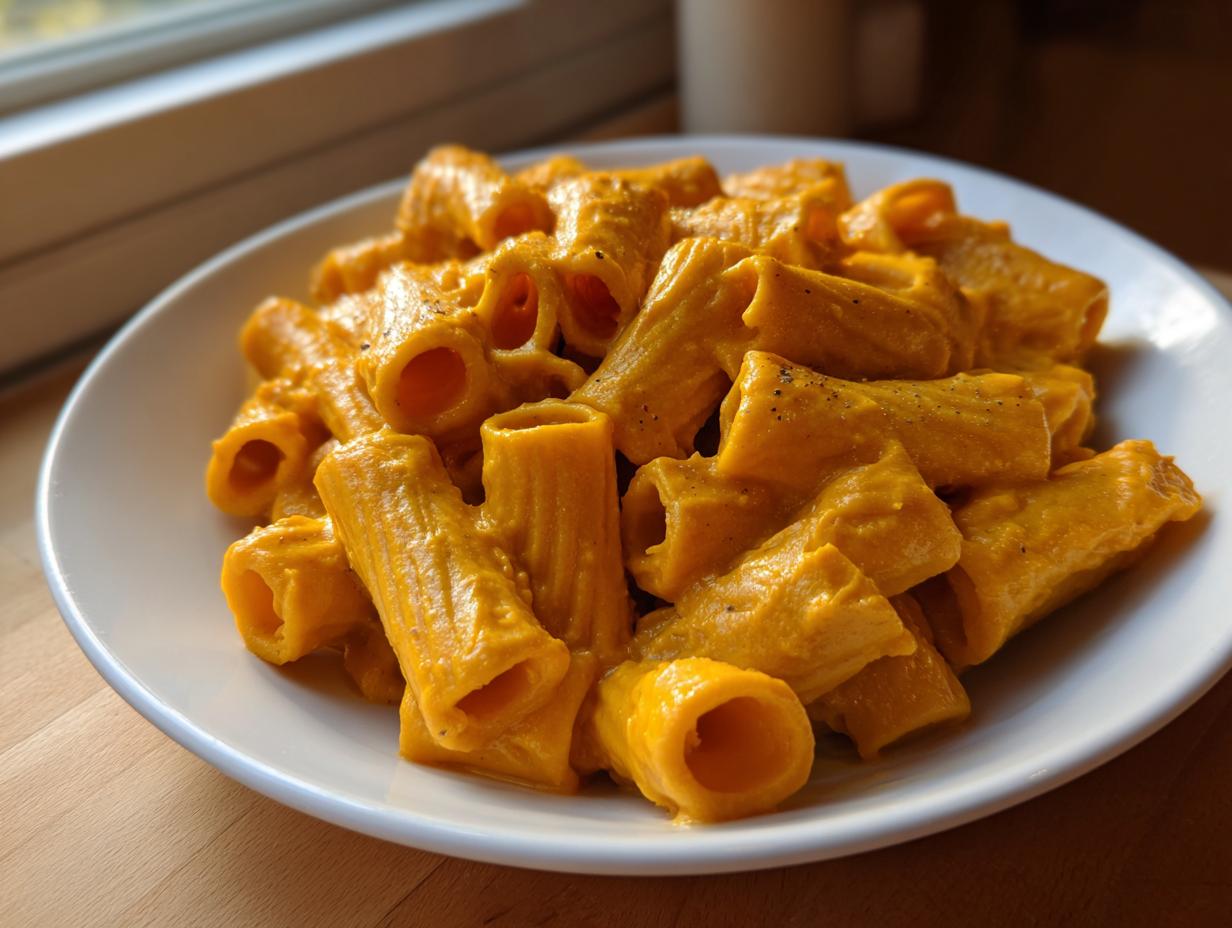
When that crisp autumn air finally hits, doesn’t your soul just scream for comfort food that actually tastes like fall? But then you look at the clock, and suddenly, that cozy dream feels impossible before bedtime. I get it—that used to be my life! That is exactly why I developed this recipe for a spectacular butternut squash pasta sauce. It’s rich, it’s velvety, and thanks to roasting, it has a depth of flavor that tastes like you spent hours simmering. My goal here at Cooking by Felix is always to bring you meals that are exceptional but achievable, even on the craziest evenings. This roasted squash sauce is my answer to making sure you get that amazing, flavorful, comforting pasta dish done fast. If you are looking for more meals that fit this busy lifestyle, be sure to check out my collection of 30-minute weeknight dinners.
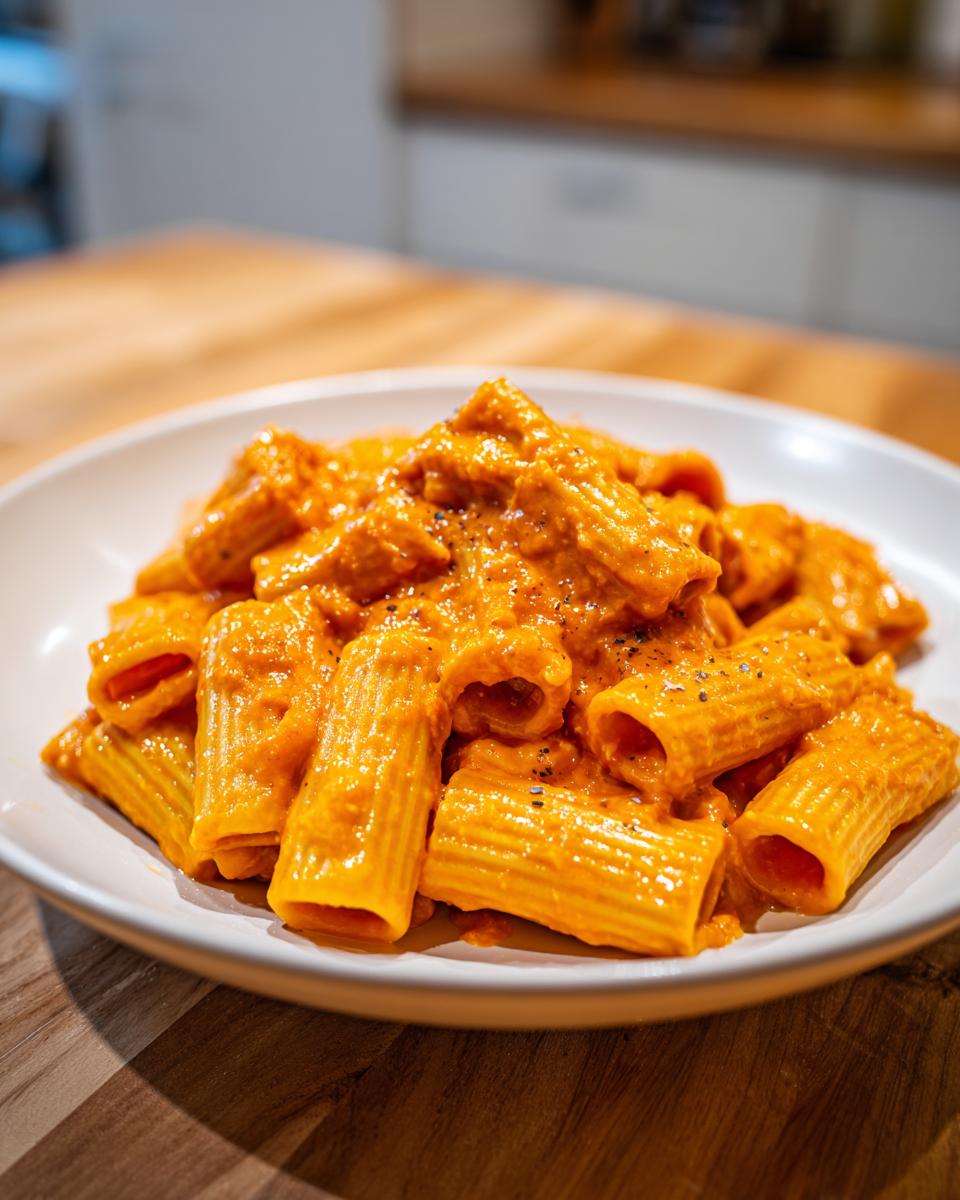
- Why This Creamy Butternut Squash Pasta Sauce Works for Quick Weeknight Pasta Sauce
- Ingredients for the Best Butternut Squash Pasta Sauce Recipe
- How to Prepare Your Roasted Squash Sauce for Velvety Squash Sauce
- Tips for Success Making a Flavorful Butternut Squash Pasta Sauce
- Serving Suggestions for This Comfort Food Pasta
- Storage and Reheating Instructions for Leftover Butternut Squash Pasta Sauce
- Frequently Asked Questions About This Easy Butternut Squash Dinner
- Estimated Nutritional Data for a Serving of Butternut Pasta Sauce
- Share Your Experience Making This Butternut Squash Pasta Sauce
Why This Creamy Butternut Squash Pasta Sauce Works for Quick Weeknight Pasta Sauce
If you think a homemade, rich sauce means sacrificing your whole evening, think again! This recipe is designed specifically to be a quick weeknight pasta sauce miracle. It delivers that luxurious, comforting texture without needing a dairy overload. When you need a fantastic creamy vegetable pasta sauce on a Tuesday, this is what you turn to.
- It’s hands-off cooking time while the squash roasts.
- The blending stage makes it unbelievably smooth in seconds.
- It sneaks in tons of veggies without compromising taste.
- It’s easily adaptable for your favorite healthy meals later in the week.
Roasting Squash for Deep Flavor in Your Butternut Squash Pasta Sauce
This is where we build the flavor foundation, folks! Boiling squash gives you watery, bland results—we absolutely do not want that here. Roasting the cubes caramelizes their natural sugars, which creates a deep, nutty sweetness you simply can’t skip. Trust me, taking those 25 minutes to roast gives your butternut squash pasta sauce that incredible, rich profile that feels gourmet but is honestly so easy to achieve.
Ingredients for the Best Butternut Squash Pasta Sauce Recipe
The real beauty of this incredible butternut squash pasta sauce is that it relies on simple, whole ingredients, making it both healthy and budget-friendly. We toss the squash in oil and roast it first—this is non-negotiable for that cozy, deep taste we are aiming for! Everything else comes together quickly while the oven does the hard work. Don’t worry about your equipment; a standard blender works, but a high-powered one will make it extra silky!
- 1 medium butternut squash (about 3 lbs), peeled and cubed
- 2 tablespoons olive oil (divided)
- 1 teaspoon salt
- 1/2 teaspoon black pepper
- 1 small yellow onion, chopped
- 3 cloves garlic, minced
- 1 cup vegetable broth
- 1/2 cup unsweetened plant milk (or heavy cream for non-vegan)
- 1/4 cup nutritional yeast (for cheesy flavor, optional)
- 1/2 teaspoon dried sage
- 1/4 teaspoon nutmeg
- 1 pound pasta (like penne or rigatoni)
Ingredient Notes and Dairy Free Butternut Squash Sauce Swaps
If you are making this a dairy free butternut squash sauce—and wow, it’s even better that way sometimes—the nutritional yeast is your best friend. It doesn’t actually taste like cheese, but it provides that missing savory, umami depth that makes it feel rich. I usually go with oat milk because it’s creamier than almond milk, but feel free to use stock if you’re worried about thickness. If you’re in a massive rush, you can absolutely skip the roasting and use pre-made puree, just check the Notes section for how to adjust your liquid!
How to Prepare Your Roasted Squash Sauce for Velvety Squash Sauce
Okay, let’s get cooking because this is where our savory, velvety squash sauce comes together! First up, we need tender squash. Get your oven preheated to 400°F (that’s a nice hot roast!). Toss your cubed squash with a bit of olive oil, salt, and pepper, then let it roast for a solid 25 to 30 minutes until it’s fork-tender and showing some gorgeous brown spots on the edges—that’s flavor developing, honey!
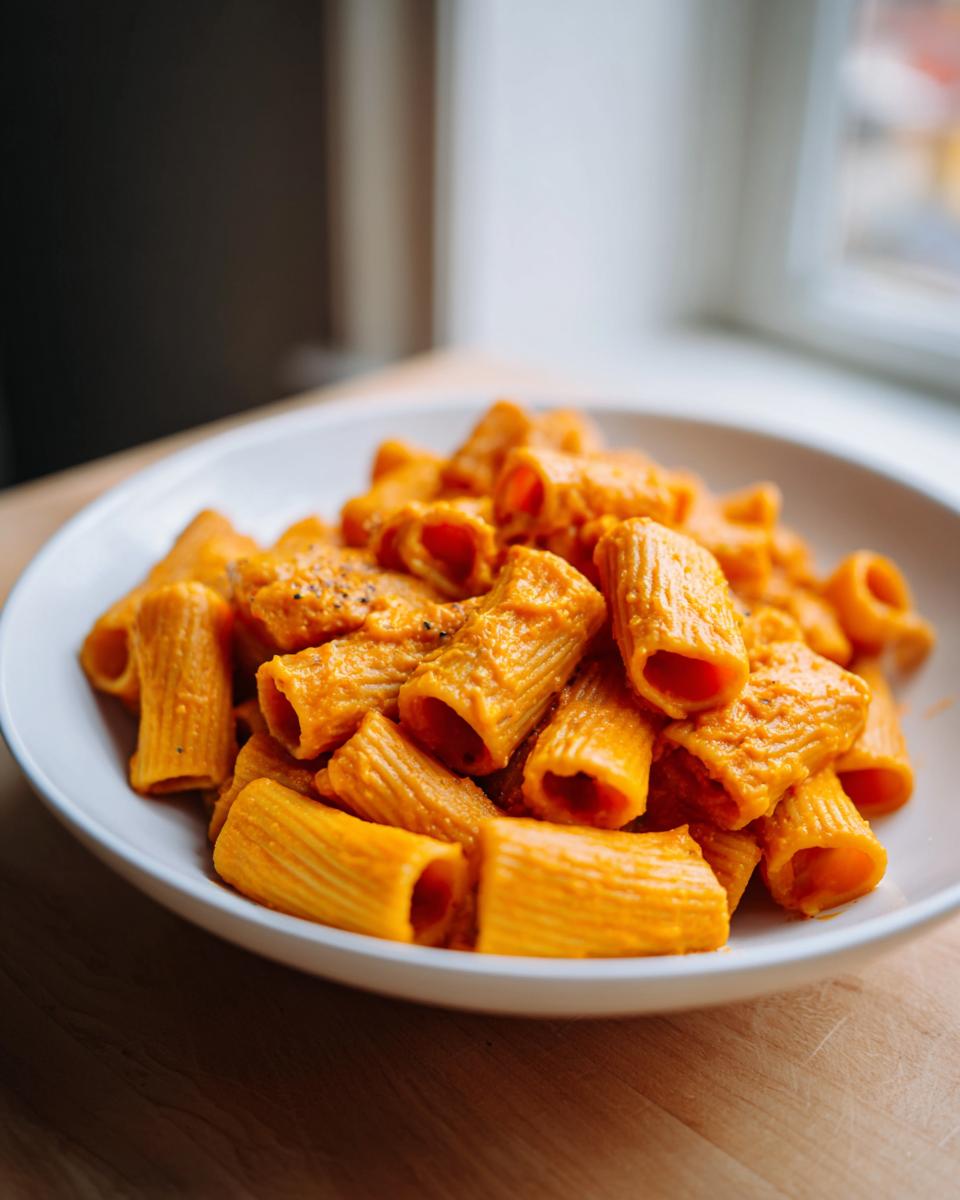
While the squash is roasting, we work fast on the stove. Heat the rest of your olive oil and soften that chopped onion until it’s translucent and sweet, maybe about five minutes. Toss in your garlic for just a minute until you can really smell it—watch it carefully so it doesn’t burn, or the whole sauce tastes bitter! Then, it’s time for blending. Dump the roasted squash, the onion/garlic mixture, broth, your liquid choice, spices, and nutritional yeast (if you’re using it) right into the blender. If you’re looking for a great one-pot alternative sometime, check out how I do my Spanish Rice!
Achieving the Perfect Consistency in Your Butternut Squash Pasta Sauce
Blending is key here. You must blend until it is completely smooth and utterly velvety squash sauce territory; no lumps allowed! If it looks too stiff coming out of the blender—and trust me, it often does—just add an extra splash of vegetable broth or water until it pours nicely. But before you drain, always, always reserve about half a cup of that starchy pasta water! When you toss your cooked pasta with the sauce, that starchy water is liquid gold; it helps the sauce emulsify and cling perfectly to every single piece of noodle. This emulsifying step is what makes any good butternut squash pasta sauce shine.
Tips for Success Making a Flavorful Butternut Squash Pasta Sauce
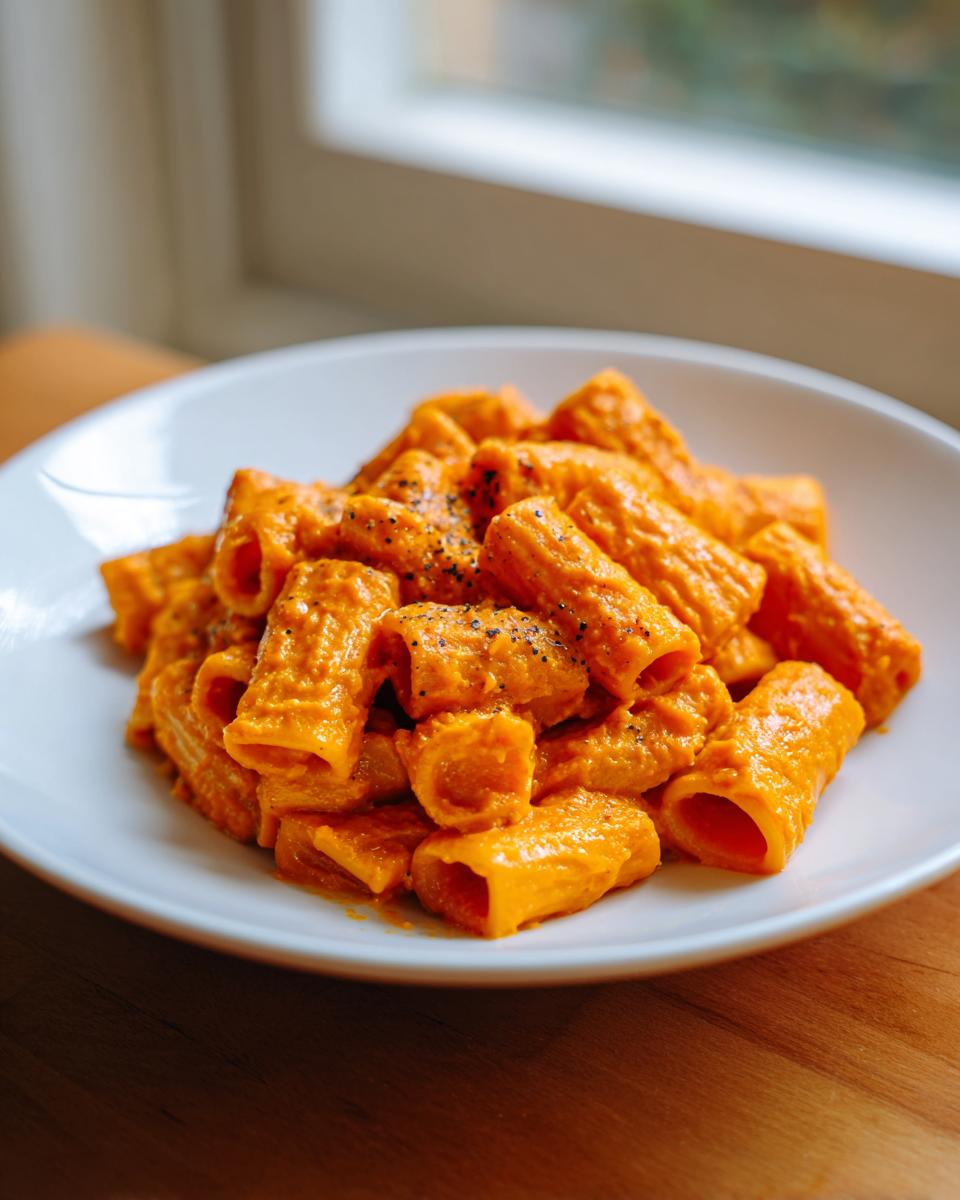
Even though this butternut squash pasta sauce is already fantastic, I have a few little house secrets to make sure yours is absolutely restaurant-worthy every single time. Don’t skip the seasoning check! Once you blend the roasted squash mixture, taste it right away. You might need more salt, or if you’re feeling brave, a tiny pinch of red pepper flakes if you want some heat hidden beneath that creaminess.
Speaking of blending, if you own a high-speed blender, use it! The motor power makes a world of difference in getting that truly luxurious, no-texture-at-all finish—we are aiming for pure velvet here. And please, really let those squash pieces brown up on those roasting trays. Those crispy, slightly darkened edges are what deliver that caramelized, deep harvest flavor that sets this recipe apart from simple boiled squash.
If you love the idea of creamy roasted vegetables, you should also check out my recipe for creamy roasted garlic mashed potatoes; the flavor-building technique is similar!
Serving Suggestions for This Comfort Food Pasta
This rich, slightly sweet sauce is the definition of comfort food pasta, making it perfect for when you need that warm hug in a bowl. Because the sauce is so smooth, we need texture contrast on top! Forget plain cheese; grab some toasted walnuts or, even better, homemade candied pecans for a sweet crunch. A final drizzle of good quality olive oil and a tiny sprinkle of fresh sage elevate this into something special for your fall pasta recipes.
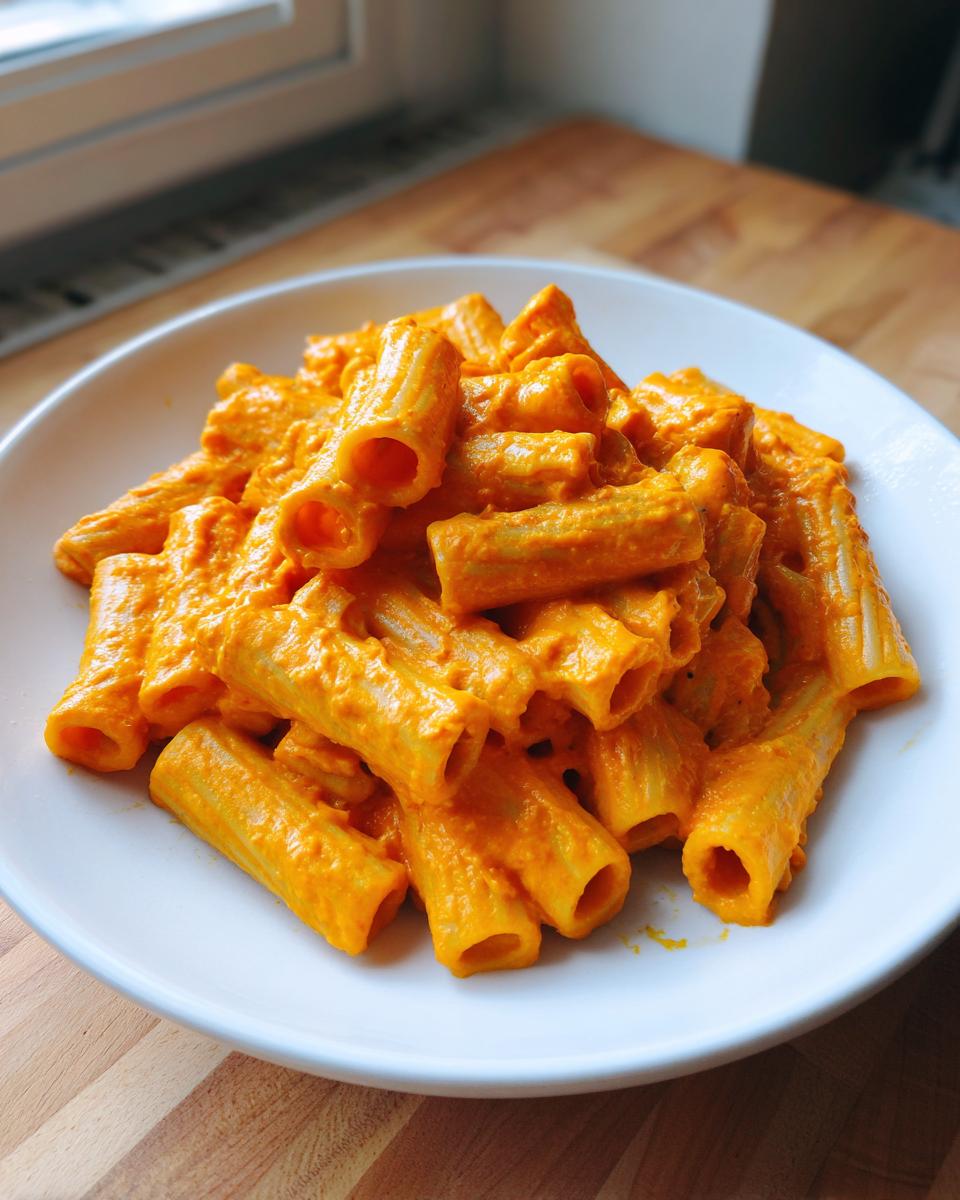
Best Pasta Shapes for Holding Velvety Squash Sauce
Since this butternut squash pasta sauce is so thick and creamy, you need noodles with some ridges or big tubes to hold onto it! I always reach for rigatoni or thick penne. The sauce just sinks right into those curves, ensuring you get a perfect bite every time. Shells work beautifully too!
Storage and Reheating Instructions for Leftover Butternut Squash Pasta Sauce
I know you won’t want leftovers because this butternut squash pasta sauce is addicting, but if you are lucky enough to have some, it stores like a dream! Keep the extra sauce in an airtight container in the fridge for up to four days. When you reheat it later, remember that it will thicken up a lot while chilling. Seriously, just add a splash of water or broth while simmering gently on the stove—maybe a teaspoon at a time—until that beautiful, velvety texture comes right back. That’s all there is to it!
Frequently Asked Questions About This Easy Butternut Squash Dinner
Since this is such a reliable and satisfying easy butternut squash dinner, I get a lot of questions! Here are a few things people often ask me when they’re planning to make this sauce:
Can I use frozen butternut squash chunks instead of fresh?
Absolutely, you definitely can! If you use frozen squash, just skip all the peeling and cubing fuss. Toss the frozen pieces right onto the baking sheet—you might need to add about five to ten extra minutes to that roasting time, since you’re cooking off extra ice moisture. It works perfectly for a speedy quick weeknight pasta sauce.
How can I make this sauce spicier?
If you like a little kick in your comfort food pasta, I totally get it! When you sauté your onions and garlic (Step 2), throw in a pinch of red pepper flakes along with the garlic. That heat blooms wonderfully in the oil and carries through the creamy sauce.
What if I’m in a real hurry and skip roasting?
If you need a super-fast version, you can swap the roasting step for using pre-made puree or simmering the cubed squash gently in the broth until totally soft, maybe 15 minutes on the stove. But honestly? You skip the roasting, you skip a huge chunk of that deep, complex flavor. You can find some faster ideas in my quick, easy breakfast recipes if you just need speed!
Estimated Nutritional Data for a Serving of Butternut Pasta Sauce
I always feel like sharing nutrition facts is a bit of a tightrope walk, right? Cooking is about feeding your family, not counting every single micro-nutrient, but I know some of you are tracking things, and I want to be open about exactly what goes into this dish. Because we are relying heavily on vegetables, broth, and plant milk here, this sauce is actually really friendly!
Keep in mind these numbers are just estimates based on using the plant milk and nutritional yeast options for four generous servings. If you swap in heavy cream or Parmesan cheese, those numbers—especially the fat and cholesterol—are going to jump up a little bit. I always believe in transparency, so here is the breakdown based on the recipe as written:
- Serving Size: 1 serving (equivalent to about 1/4 of the sauce mixed with pasta)
- Calories: 450
- Fat: 12g
- Saturated Fat: 2g
- Trans Fat: 0g
- Cholesterol: 0mg
- Sodium: 450mg
- Carbohydrates: 75g
- Fiber: 10g
- Sugar: 10g
- Protein: 15g
See? Lots of great fiber and protein, which is what I love about these fall pasta recipes! This is wholesome food that truly satisfies you without making you feel heavy. I always encourage you to adjust the salt based on your broth, since sodium levels vary so much between brands!
Share Your Experience Making This Butternut Squash Pasta Sauce
I truly hope this creamy, dreamy butternut squash pasta sauce brings as much cozy joy to your table as it does to mine! When you try this recipe, please come back and tell me what you thought! Five stars, your favorite toppings, or any little tweak you made—I want to hear it all in the comments below. If you shared a gorgeous picture on social media, tag me! It genuinely makes my day to see Felix’s recipes out in the real world. If you want to know a little more about my journey making these achievable meals, head over to my About Page. And if you need more inspiration, check out this great sauce idea for later!
PrintCreamy Roasted Butternut Squash Pasta Sauce (Easy Weeknight Dinner)
Make this velvety butternut squash pasta sauce using roasted squash for deep flavor. It is simple to prepare and delivers a comforting, rich meal perfect for busy weeknights.
- Prep Time: 15 min
- Cook Time: 35 min
- Total Time: 50 min
- Yield: 4 servings 1x
- Category: Dinner
- Method: Roasting and Blending
- Cuisine: American
- Diet: Vegetarian
Ingredients
- 1 medium butternut squash (about 3 lbs), peeled and cubed
- 2 tablespoons olive oil
- 1 teaspoon salt
- 1/2 teaspoon black pepper
- 1 small yellow onion, chopped
- 3 cloves garlic, minced
- 1 cup vegetable broth
- 1/2 cup unsweetened plant milk (or heavy cream for non-vegan)
- 1/4 cup nutritional yeast (for cheesy flavor, optional)
- 1/2 teaspoon dried sage
- 1/4 teaspoon nutmeg
- 1 pound pasta (like penne or rigatoni)
Instructions
- Preheat your oven to 400°F (200°C). Toss the cubed butternut squash with 1 tablespoon of olive oil, salt, and pepper on a baking sheet. Roast for 25 to 30 minutes, or until tender and lightly browned.
- While the squash roasts, heat the remaining 1 tablespoon of olive oil in a large saucepan over medium heat. Add the chopped onion and cook until soft, about 5 minutes.
- Add the minced garlic to the saucepan and cook for 1 minute until fragrant. Do not let the garlic burn.
- Transfer the roasted squash, onion mixture, vegetable broth, plant milk (or cream), nutritional yeast (if using), sage, and nutmeg to a high-speed blender.
- Blend until the sauce is completely smooth and velvety. If the sauce is too thick, add a splash more broth or water until you reach your desired consistency. Taste and add more salt or pepper if needed.
- Cook your pasta according to package directions until al dente. Reserve about 1/2 cup of the starchy pasta water before draining.
- Return the drained pasta to the pot. Pour the butternut squash sauce over the pasta. Toss to coat thoroughly. If the sauce seems too thick, add the reserved pasta water a little at a time until the sauce clings nicely to the noodles.
- Serve immediately for a comforting fall pasta meal.
Notes
- For a dairy-free butternut squash sauce, use unsweetened almond or oat milk and nutritional yeast instead of Parmesan cheese.
- Roasting the squash deepens the flavor significantly compared to boiling.
- If you want a quicker sauce, you can use 1 1/2 cups of good quality homemade butternut squash puree instead of roasting fresh squash.
Nutrition
- Serving Size: 1 serving
- Calories: 450
- Sugar: 10
- Sodium: 450
- Fat: 12
- Saturated Fat: 2
- Unsaturated Fat: 8
- Trans Fat: 0
- Carbohydrates: 75
- Fiber: 10
- Protein: 15
- Cholesterol: 0