

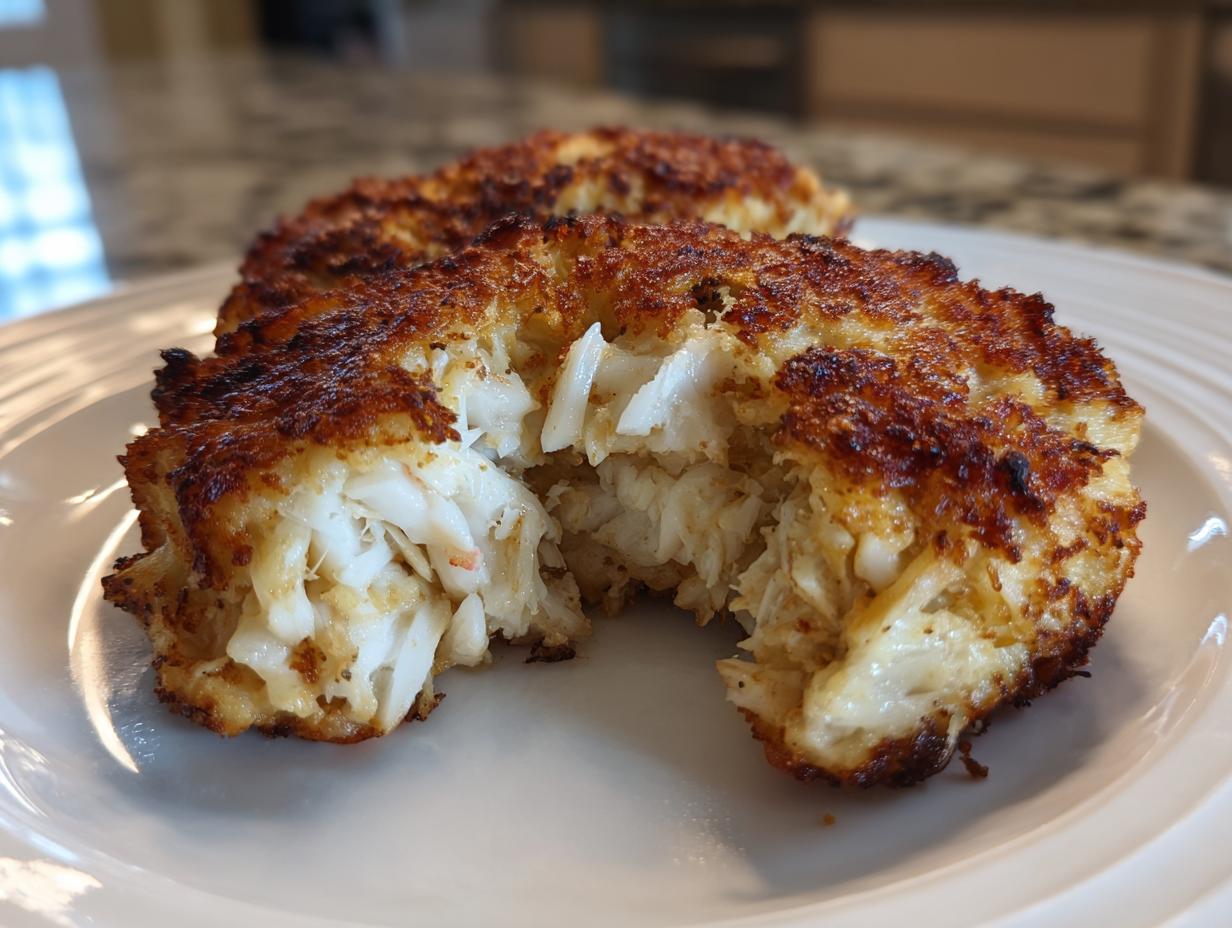
You know that feeling, right? You’re craving that perfect bite of seafood—tender, sweet, bursting with Old Bay—but everything you make at home seems to end up dry or loaded with filler. It’s tough when you want that real, authentic Maryland crab cakes experience when you just don’t have time for the whole ordeal. That’s exactly why this recipe exists here at Cooking by Felix. My mom always taught me that great food shouldn’t be a luxury reserved for rare occasions. So, I focused on stripping away the unnecessary stuff so we can get that restaurant-quality jumbo lump crab flavor—the kind where the crab is the star, not the breadcrumbs—on your table tonight. It’s simple, it’s bold, and trust me, it’s worth it.
- Why This is the Best Maryland Crab Cakes Recipe You Will Make
- Gathering Ingredients for Perfect Maryland Crab Cakes
- How to Make Maryland Crab Cakes: Step-by-Step Instructions
- Tips for Restaurant Style Maryland Crab Cakes Success
- Variations: Baking and Air Fryer Crab Cakes
- Serving Suggestions for Chesapeake Bay Flavor
- Storage and Reheating Instructions
- Frequently Asked Questions About Making Crab Cakes
- Understanding the Nutrition in Your Homemade Crab Cakes
- Share Your Authentic Maryland Crab Cakes Experience
Why This is the Best Maryland Crab Cakes Recipe You Will Make
I get the pressure! Everyone wants that perfect, restaurant-style texture, but so many recipes hide pricey **jumbo lump crab meat** under mountains of filler. Not here. This recipe focuses on treating that beautiful crab with the respect it deserves. I’ve broken down the technique so you get maximum crab meat with just enough binder to keep it together. This is how you nail that classic coastal taste without the fuss.
- You get more glorious, sweet crab in every bite—this is a feature, not a bug!
- We focus on technique to guarantee that golden, crispy exterior we all dream about.
- The flavor profile screams Chesapeake Bay tradition because we’re using the right spices.
Key Features of Our Authentic Crab Cakes
When I say authentic, I mean it. The goal here is that beautiful, tender interior that barely holds its shape—that’s the sign of truly great authentic crab cakes. We are using the absolute best crab we can find, making sure that jumbo lump is the texture star. The binder is purposely minimal. We aren’t looking for dense hockey pucks here; we are looking for flavor, which relies heavily on fresh crab and that signature smoky seasoning.
Gathering Ingredients for Perfect Maryland Crab Cakes
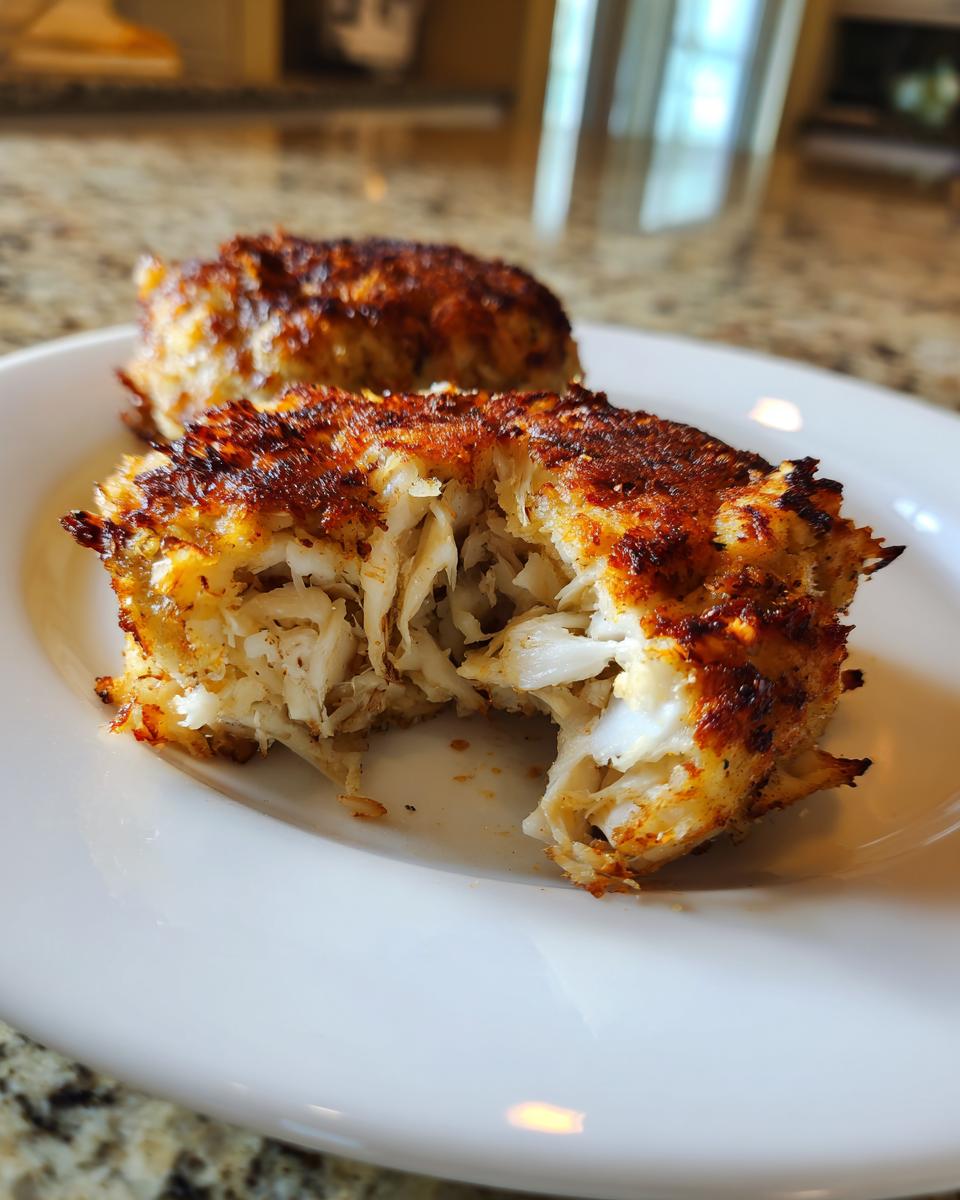
Okay, listen up, because this is where we win or lose. With jumbo lump crab meat recipes, the quality of the crab dictates everything, period. You need one full pound of that good stuff. When you’re at the market, don’t settle. You want those big, beautiful chunks. Before anything touches them, you have to pick through them gently, like you’re looking for buried treasure. Shells are the enemy of a great crab cake!
If you want that classic coastal taste, you’ll need the original seasoning king: Old Bay. Don’t even think about skipping it; it’s the fingerprint of the Chesapeake Bay flavor we’re chasing here. Check out tips on sourcing the best seafood when you’re not near the coast right here. It makes a difference!
Ingredient Clarity: Jumbo Lump Crab Meat and Binders
For the binder, we are keeping it super light, which is the secret to true restaurant style crab cakes. You’ll need just 1/4 cup of saltine cracker crumbs. And I mean *crumbs*, not dust. Crush them up just enough so they absorb a tiny bit of moisture and hold the patty together, but not so finely that they disappear entirely into mush. That small amount of binder, combined with the egg and mayo, is all we need. The rest of the flavor comes from lemon, parsley, and plenty of that wonderful Old Bay seasoning.
How to Make Maryland Crab Cakes: Step-by-Step Instructions
Making amazing **Maryland crab cakes** is less about complicated cooking and more about simple handling. We follow a few key steps derived right from the ingredients list. First, once you’ve lightly mixed your wet binder (that mayo, egg, Dijon blend) and tossed the saltines and parsley over the beautiful crab, the next move is crucial. You have to fold, not stir! Think of yourself gently encouraging the ingredients to meet, not beating a batter into submission. We want those big lumps of crab to stay just that—lumps! Overmixing is how you lose texture and wind up with dense sadness, and we are definitely not making sad crab cakes here.
After you’ve gently combined everything, divide it into six even portions and carefully form your patties. Don’t press them too hard; they should feel tender in your hands. Now, for the step that separates the good from the absolutely unbelievable: chilling. You absolutely must refrigerate those formed patties for at least 30 minutes. Trust me on this. This chilling time really helps them firm up so they don’t fall apart when they hit the hot pan. You can find detailed steps for this whole process over here if you like looking at another view while you prep.
Mixing Gently to Maintain Lump Integrity
I see so many people grabbing a whisk or a stiff spoon to mix their crab cake batter, but that’s a fast track to mush town. You’ve spent good money on that lump meat, so treat it like silk! Use a rubber spatula and use broad, upward folding motions. You are just trying to coat the crab with the binder mixture. If you see a little bit of the wet mix streaking through, stop mixing! I promise, the cracker crumbs will do their job holding it together once it chills. This delicacy in mixing is what keeps your final product juicy and tender inside after cooking. Check out this classic layout for visual reference if you need it.
Achieving the Crispy Exterior on Your Maryland Crab Cakes
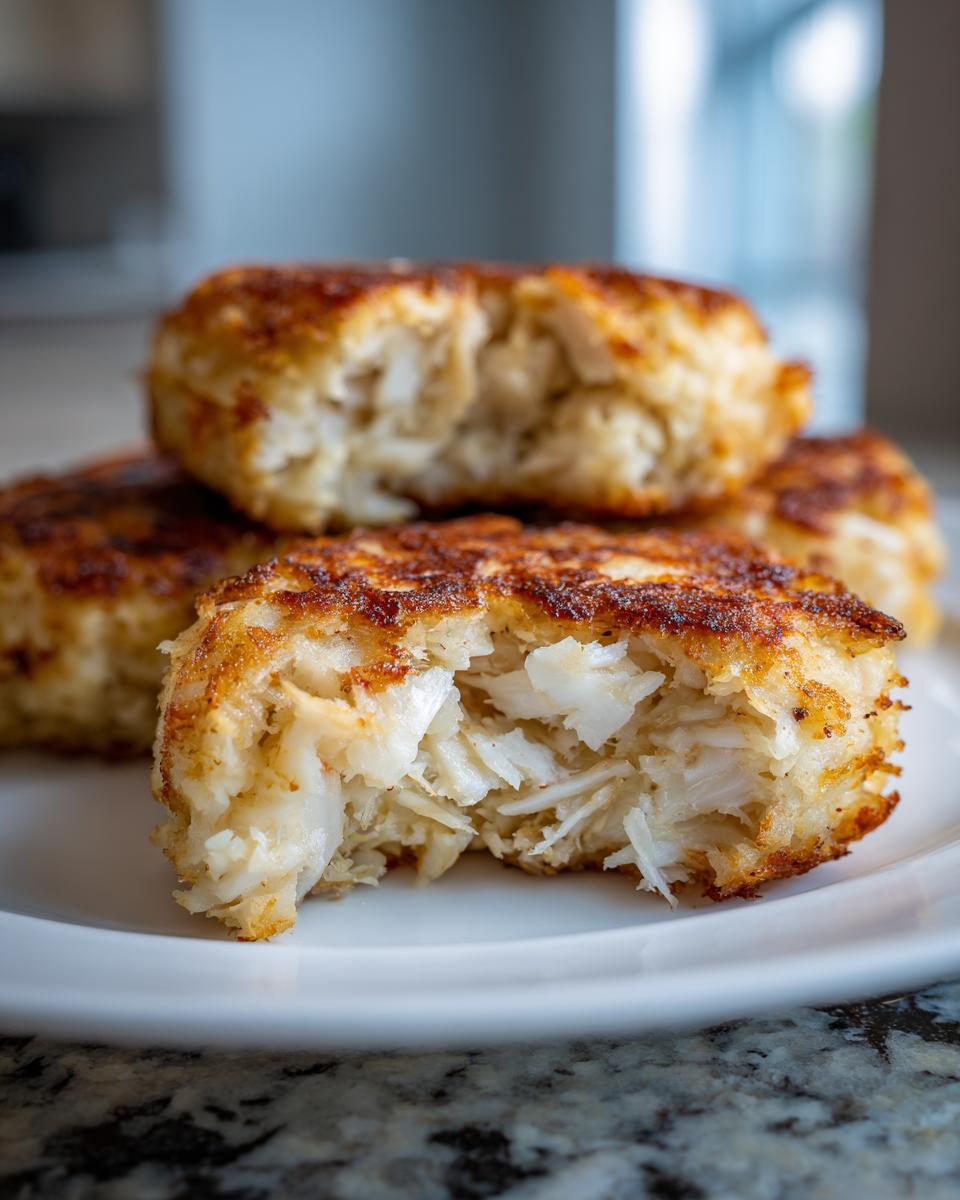
Once your cakes are perfectly chilled, we dust them lightly on both sides with a final flourish of Old Bay. This dust is what helps build that beautiful, golden crust when they hit the heat. Use medium heat in your skillet—too high and the outside burns before the center warms up. Melt that butter until it sizzles gently, then place your cakes in carefully. You’re looking for about 4 to 5 minutes on the first side, aiming for that rich, golden glow. Resist the urge to flip them too early! That untouched first side is responsible for creating these gorgeous, crispy crab cakes, so be patient!
Tips for Restaurant Style Maryland Crab Cakes Success
If you want that real, true-to-form, I-can’t-believe-I-made-this-at-home experience, you need to pay attention to the structural details of your **maryland crab cakes**. I learned this the hard way when I tried substituting ingredients out of laziness! The secret to that tender-yet-stable texture isn’t just in the temperature; it’s in what holds the crab together. We are aiming for that delicate balance that lets the crab shine, which means being very intentional about how much binder you use. These tips will take your cakes from good to “Wow, did you get these from a fancy Chesapeake seafood spot?”!
Binding Agents: Cracker Crumbs vs. Breadcrumbs
Big discussion here! Most recipes call for breadcrumbs, but true Maryland cakes rely on saltine crackers, and for good reason. Panko breadcrumbs are too airy and absorb too much moisture, often leading to a dryer final product. Regular dried breadcrumbs can sometimes feel too heavy. The saltine cracker crumbs we use strike that perfect balance. They provide just enough structure to keep your beautiful jumbo lumps from falling apart when you flip them, but they break down enough so you don’t feel like you’re eating something bready.
Remember, minimal filler is key! If you’re worried your cakes are too loose after mixing, resist the urge to dump in more crumbs. Instead, make sure those patties are well-chilled! A cold patty is a firm patty. If you’re looking for more general genius tips on nailing textures, check out some great advice over here.
Variations: Baking and Air Fryer Crab Cakes
I know we love that pan-fried golden crust—it’s the best, truly—but sometimes you need to lighten the load or you just don’t want to stand over the stove watching gently sizzling butter. That’s totally fine! The beauty of using such a good, firm crab cake base is that it adapts really well to other cooking methods. We honor that structure by keeping the chilling step sacred, no matter what heat source you choose.
If baking is more your speed, it’s super straightforward. Just take those chilled, dusted patties and brush the tops lightly with a bit more melted butter. Pop them into a 400°F oven. Because they are thicker, they’ll need about 12 to 15 minutes total. Remember to flip them halfway through so you get that nice color on both sides, just like you would achieve with pan-frying.
Now, if you’ve got an air fryer—and honestly, who doesn’t these days?—that’s where you can get that crispness with almost zero added fat! If you are looking to make these lighter, the air fryer is your best friend. You want to cook them at about 375°F. I find they don’t need much pre-oiling in the basket, but you can give them a light spray if you want that extra insurance on the crust. Check out some great tips for getting those perfect results in the air fryer specifically. It mimics that fantastic sear we love, but it’s much quicker and cleaner!
Serving Suggestions for Chesapeake Bay Flavor
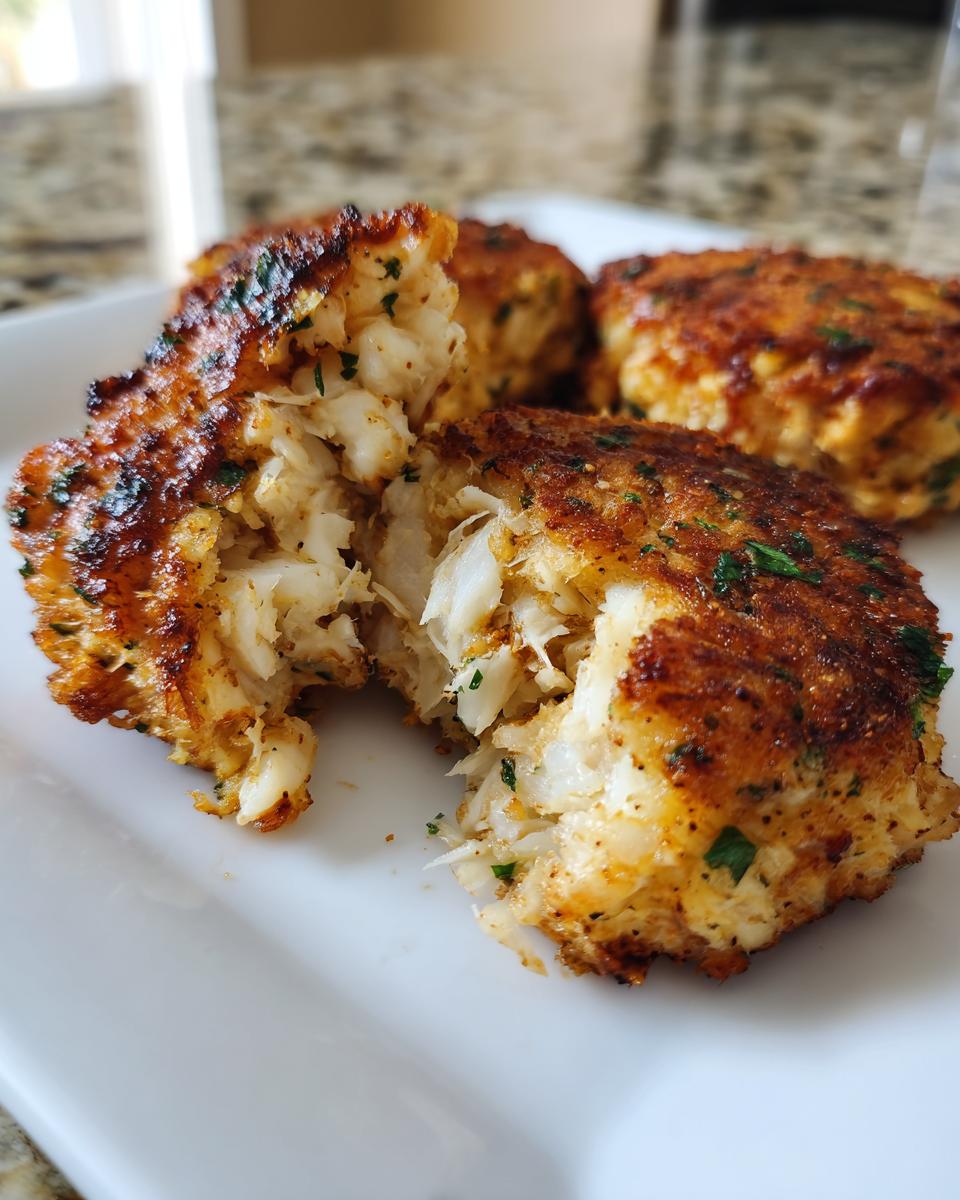
You have done the work! You’ve sourced the best crab, folded gently, and achieved that perfectly crispy exterior on your Maryland crab cakes. Now we have to talk about what actually goes *on* the plate because the right sauce can take this from amazing to legendary. You cannot serve a masterpiece like this naked! It just feels wrong, doesn’t it?
If you’re looking for the absolute easiest option, you can never, ever go wrong with the classics. Fresh lemon wedges are non-negotiable. A big squeeze of tart lemon juice cuts right through the richness of the crab and the butter you cooked them in. It just brightens everything up. A little bit of fresh, crisp Bibb lettuce on the side—maybe tossed with a simple vinaigrette—makes it feel like a complete, elegant meal.
But if you really want to lean into that coastal feeling, we need a sauce. We mentioned making a quick Old Bay Aioli in the notes, and honestly, that’s my favorite thing to whip up while the cakes are chilling. It’s basically just mayonnaise, a generous teaspoon of Old Bay seasoning, and a squeeze of lemon. Mix it up, and boom—you have the perfect dipping sauce that echoes the flavors right in the cake. If you want to see some other ideas for serving, including how people like to jazz up their sides, check out some inspiration here.
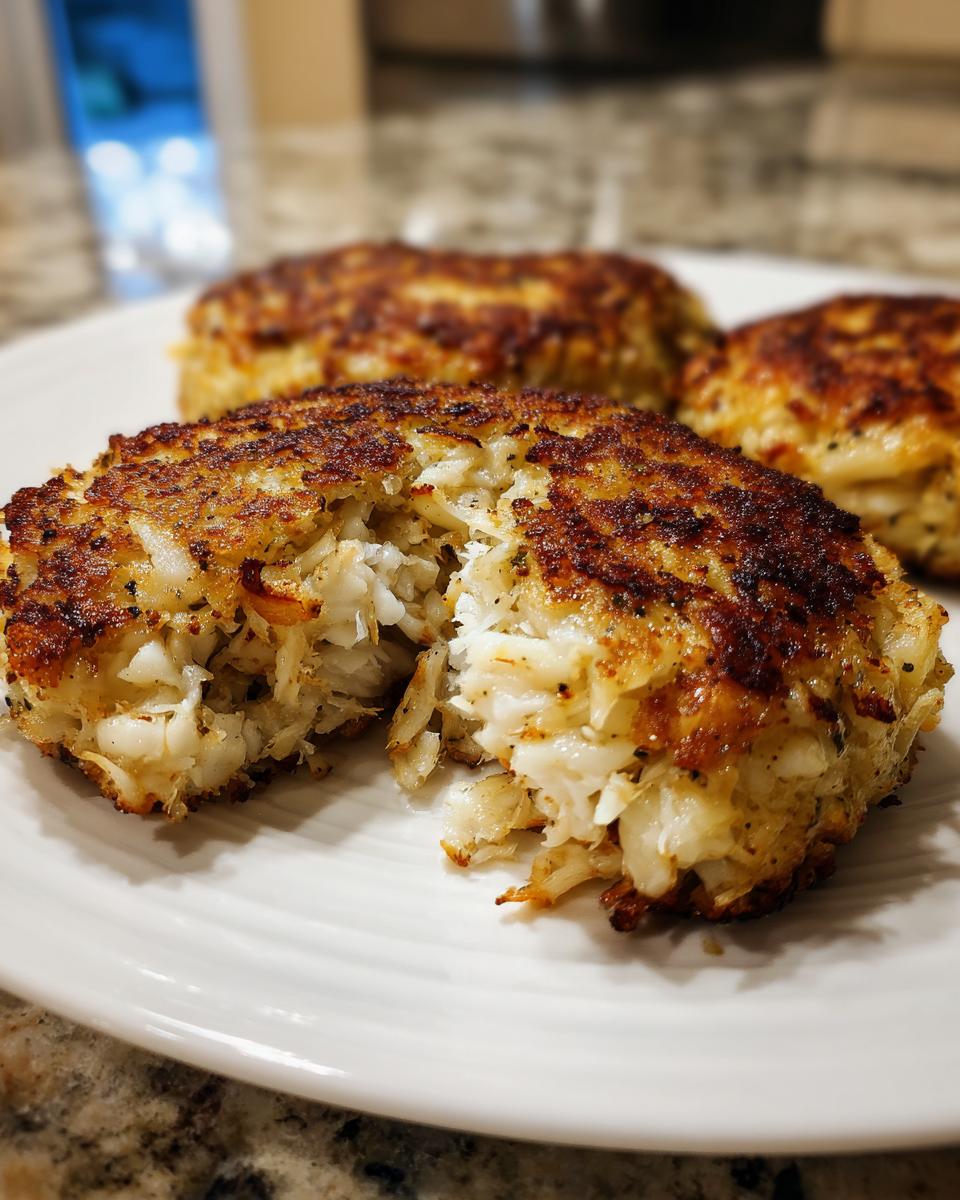
If you prefer something slightly tangier, a good high-quality tartar sauce works beautifully, too—something that has capers or maybe some chopped cornichons for extra bite. The key takeaway is this: the sauce should complement the sweet crab; it shouldn’t bury it. Keep it bright, keep it fresh, and let that glorious lump crab meat shine through!
Storage and Reheating Instructions
This is super important, especially since we want to keep these **maryland crab cakes** around for leftovers! If you made extra patties but aren’t ready to cook them, wrap them tightly (I use plastic wrap followed by foil) and keep them in the fridge for up to 24 hours. They need that chill time anyway, so making them ahead is perfect.
When reheating cooked cakes, skip the microwave! Please, don’t destroy that crispy exterior we worked so hard for! The best method is a quick trip back into a warm oven (about 350°F) for about 8 minutes until they are heated through. Or, if you only have one or two, just pan-fry them lightly for two minutes per side in a touch of butter. That brings the crisp right back without drying the inside one bit.
Frequently Asked Questions About Making Crab Cakes
I know you might still have some lingering questions, especially when dealing with something as special as jumbo lump crab meat recipes. Everyone wants to know the little fine-tuning details that separate a good home cook from someone who truly masters the Chesapeake Bay flavor at home. Don’t worry, I get asked these same things all the time! Let’s clear up a few common points so you feel fully ready to tackle these homemade crab cakes.
Can I make these gluten free crab cakes?
Oh, absolutely! Since we are already using minimal binder, making these gluten free crab cakes is quite simple. The main ingredient to swap is the saltine cracker crumbs. You can substitute them with an equal amount of your favorite gluten-free crackers, finely crushed, or even use almond flour in a pinch. Because gluten-free products can sometimes be a little thirstier, just keep a close eye on the mix. If it seems dry, try adding just a half-teaspoon more of the wet binder mixture until it comes together softly.
What is the best way to make crab cake sandwich recipe?
For a truly satisfying crab cake sandwich recipe, you need coverage and structure! I suggest making six slightly larger patties instead of dividing the mix into six small ones, though you can stack two smaller ones if you prefer. Slather your soft brioche bun lightly with some of that homemade Old Bay Aioli we talked about. Then, layer on crisp lettuce—romaine or iceberg works best to hold up to the moisture—and place that golden-brown cake right on top. A slice of tomato is optional, but honestly, the crab should be the star of that sandwich!
If you’re looking for a great tangy sauce to go with it, check out this recipe for quick tartar sauce! It’s perfect for dipping fries or topping your sandwich.
For those looking to lighten things up without losing flavor, you can find some great tips on lighter crab cake ideas linked here, too!
Understanding the Nutrition in Your Homemade Crab Cakes
My philosophy here at Cooking by Felix is always about making great, fulfilling food accessible. That means knowing what exactly you’re putting into your body, especially when we are using such quality ingredients like fresh jumbo lump crab. While I’m not a registered dietitian, I always like to give you a snapshot of what the nutritional breakdown looks like for these **classic seafood dinner** gems based on the recipe provided. It’s great to see that by keeping the filler low, we keep the protein high!
Keep in mind that these are estimates, okay? The final numbers totally depend on the brand of mayonnaise you use, how much salt might be naturally present in your crab meat, and the exact size of that one large egg. I always cross-reference a few charts when I’m calculating this information myself after finalizing a recipe, like checking out what others are sharing over at Juicy Cooking to make sure my estimates are reasonable.
Here’s the general idea for one of these beautiful, pan-fried cakes:
- Serving Size: 1 crab cake
- Calories: 280
- Protein: 22g
- Fat: 18g (Only 4g Saturated Fat—that’s good news!)
- Carbohydrates: 8g
- Sugar: 1g
- Sodium: 450mg (This can really vary based on the salt in your crackers and Old Bay!)
- Cholesterol: 150mg
See that protein count? That’s all that wonderful, sweet crab muscle doing the heavy lifting! Because we use very little breading and no heavy added sugars beyond what’s necessary for the binder, these end up being a fantastic centerpiece for a quick crab cake meal. It’s proof that you don’t need complicated ingredients to eat like royalty.
Share Your Authentic Maryland Crab Cakes Experience
So, that’s it! You have the roadmap to making what I truly believe are the best Maryland crab cakes outside of a waterfront restaurant. My favorite part of developing these recipes for Cooking by Felix is seeing how you all adapt them and bring them into your own busy lives. Cooking should always be a conversation, not a solo performance!
Once you’ve managed to gently fold that beautiful jumbo lump meat and achieved that perfect golden sear, I really want to hear about it. Did you stick to the simple lemon wedge, or did you whip up that speedy Old Bay Aioli? Take a picture! Tag us!
If you try this recipe and it brings that little bit of coastal joy into your evening, please let me know under the recipe card below. Drop a five-star rating—it really helps me know which dishes are making your weeknights easier and more delicious. And hey, if you’re ever curious about swapping out ingredients for dietary needs, like how to adapt this for gluten free crab cakes, feel free to ask in the comments too! We’ve covered GF alternatives before, and I’m always here to tweak things for my readers.
Go on now, get yourself some real crab and enjoy the process. You deserve a truly exceptional seafood dinner tonight!
PrintAuthentic Maryland Crab Cakes: Jumbo Lump Crab with Minimal Filler
Make restaurant-style Maryland crab cakes at home. This recipe focuses on using high-quality jumbo lump crab meat with minimal filler for a tender interior and a crispy, golden crust.
- Prep Time: 15 min
- Cook Time: 10 min
- Total Time: 55 min
- Yield: 6 servings 1x
- Category: Seafood Dinner
- Method: Pan-Frying
- Cuisine: American
- Diet: Vegetarian
Ingredients
- 1 pound jumbo lump crab meat, picked over for shells
- 1/4 cup mayonnaise
- 1 large egg, lightly beaten
- 1 tablespoon Dijon mustard
- 1 tablespoon fresh lemon juice
- 1 teaspoon Worcestershire sauce
- 1 teaspoon Old Bay seasoning, plus more for dusting
- 1/4 teaspoon black pepper
- 1/4 cup saltine cracker crumbs (or panko breadcrumbs)
- 2 tablespoons finely chopped fresh parsley
- 2 tablespoons unsalted butter, melted (for pan-frying)
Instructions
- Gently pick through the jumbo lump crab meat to remove any remaining shell fragments. Place the crab meat in a medium bowl.
- In a separate small bowl, whisk together the mayonnaise, egg, Dijon mustard, lemon juice, Worcestershire sauce, 1 teaspoon of Old Bay seasoning, and black pepper until combined.
- Sprinkle the saltine cracker crumbs and chopped parsley over the crab meat.
- Pour the wet mixture over the crab meat and gently fold everything together using a rubber spatula. Do not overmix; you want to keep the lumps of crab intact.
- Divide the mixture into 6 equal portions. Gently form each portion into a patty about 1 inch thick.
- Place the formed crab cakes on a plate lined with parchment paper. Cover and refrigerate for at least 30 minutes. This step helps the cakes hold their shape.
- When ready to cook, lightly dust both sides of the chilled crab cakes with extra Old Bay seasoning.
- Heat the melted butter in a large, non-stick skillet over medium heat.
- Carefully place the crab cakes in the hot skillet, ensuring not to crowd the pan. Cook for 4 to 5 minutes per side, until they are golden brown and heated through.
- Serve immediately with lemon wedges or your favorite tartar sauce.
Notes
- For the best flavor and texture, use fresh, high-quality jumbo lump crab meat.
- If you prefer baking, brush the tops with melted butter and bake at 400°F (200°C) for 12 to 15 minutes, flipping halfway through.
- To make a quick Old Bay Aioli, mix 1/2 cup mayonnaise with 1 teaspoon Old Bay seasoning and a squeeze of lemon juice.
Nutrition
- Serving Size: 1 crab cake
- Calories: 280
- Sugar: 1
- Sodium: 450
- Fat: 18
- Saturated Fat: 4
- Unsaturated Fat: 14
- Trans Fat: 0
- Carbohydrates: 8
- Fiber: 0
- Protein: 22
- Cholesterol: 150