

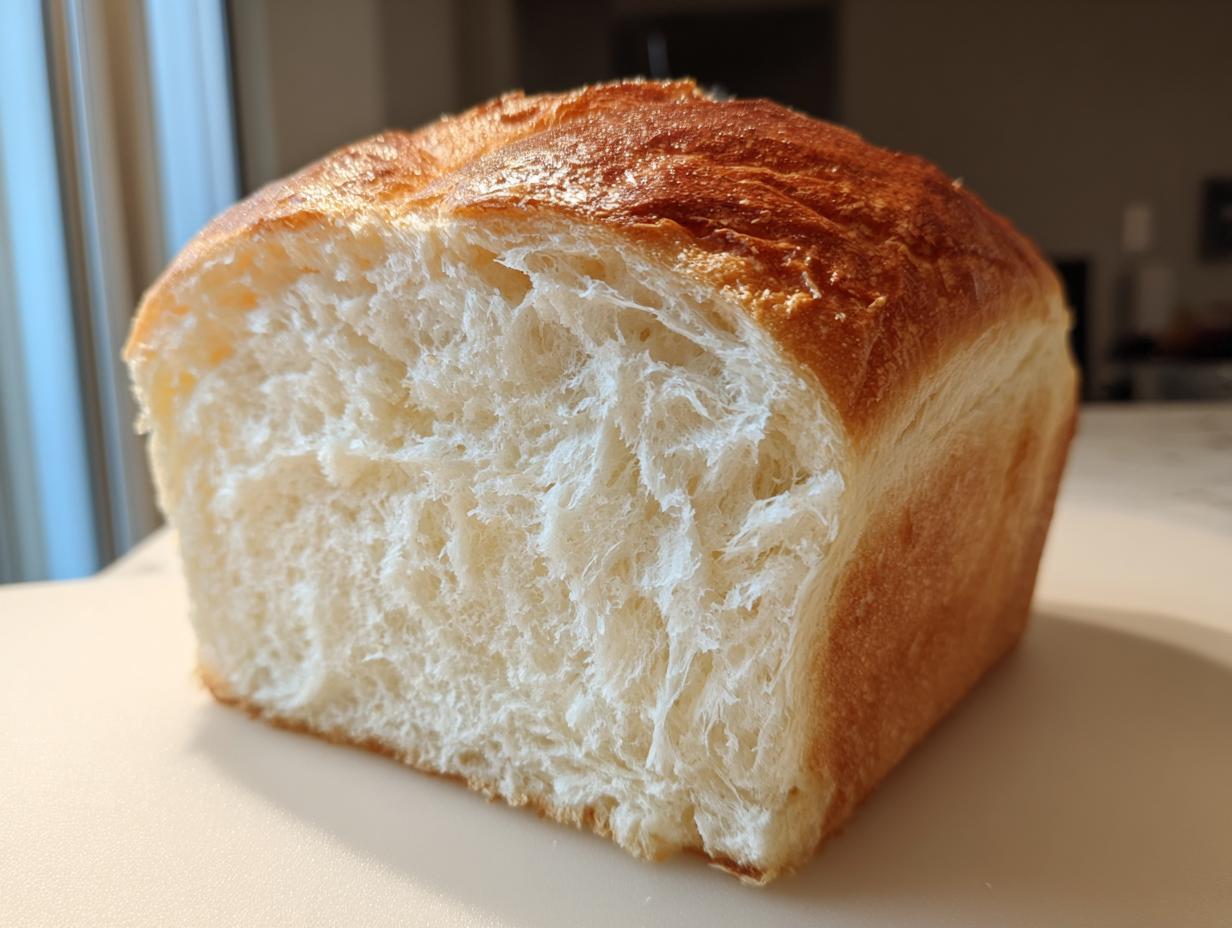
You know that feeling? The one where you walk into a fantastic bakery and you smell bread so fresh it actually makes you pause? The kind where the slices look almost wet because they’re so pillowy soft, they practically melt before you can slice them? That’s what we’re unlocking today. I’m Felix, and my whole goal here at Cooking by Felix is to cut through the stress and bring that glorious joy back into your kitchen. If you’ve ever dreamed of making true, bakery-quality milk bread that feels like eating a cloud, this Japanese Shokupan recipe, built around the famous Tangzhong method, is your definitive guide. Trust me, achieving that signature soft, cloud-like texture is simpler than you think when you have reliable instructions. If you love this style of unbelievably soft baking, you should definitely check out my easy brioche bread recipe too!
- Why This Japanese Milk Bread Recipe Delivers Cloud Soft Bread
- Gathering Ingredients for Your Homemade Milk Bread Loaf
- Step-by-Step Tangzhong Bread Tutorial for Soft Fluffy Bread
- Expert Tips for the Best Milk Bread Recipe Results
- Troubleshooting Common Milk Bread Issues
- Storage and Reheating Instructions for Your Soft Fluffy Bread
- Serving Suggestions for Your Pillowy Soft Bread
- Frequently Asked Questions About Milk Bread
- Nutritional Estimate for This Asian Milk Bread
Why This Japanese Milk Bread Recipe Delivers Cloud Soft Bread
We’re chasing that perfect, pillowy feeling here, and that’s why this milk bread recipe is built around a cornerstone technique from Asian baking. It’s all about moisture, folks. Most breads start dry, but this one is inherently wetter because it uses a high hydration dough. That’s a fancy way of saying there’s lots of liquid, which naturally leads to a super soft texture. But the real champion here is the Tangzhong. I remember the first time I used it; I thought I was stirring sticky wallpaper paste, but when that dough came out of the mixer, it had this unbelievable spring. It’s the secret sauce for that glorious Cloud Soft Bread everyone raves about!
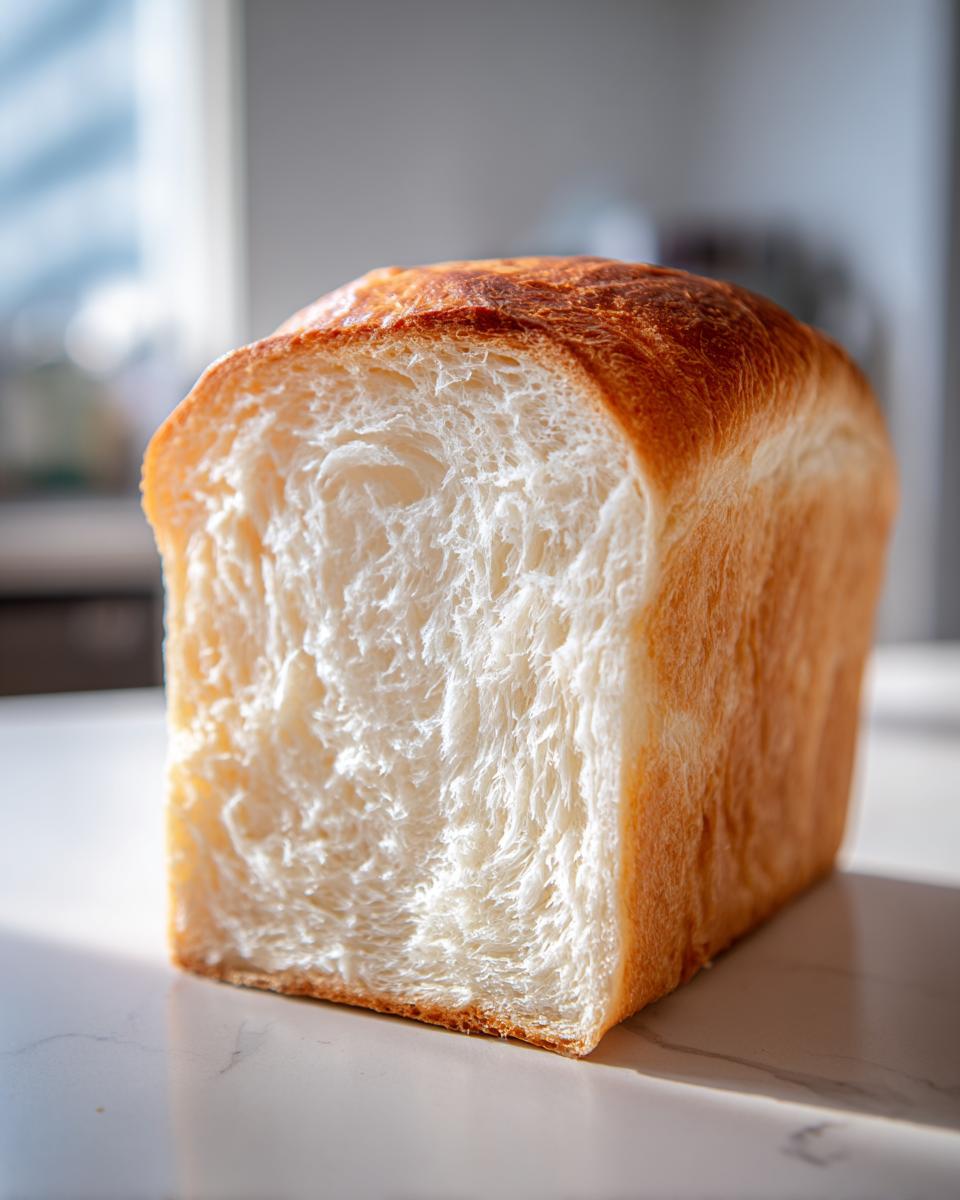
It’s this intentional step that prevents the bread from ever feeling dense or heavy, ensuring every bite is light, airy, and stays fresh way longer than standard sandwich loaves.
The Magic of the Tangzhong Bread Tutorial
So, what exactly is Tangzhong? Simply put, it’s a water roux. We cook a small portion of the flour with liquid (water, in this case) until it gelatinizes—it transforms into a thick paste around 160°F. This cooked starch traps an insane amount of moisture inside the bread structure. When you knead this into the main dough, that trapped water releases slowly during baking. It keeps the entire loaf incredibly supple and gives you that signature ethereal fluffiness that separates true Japanese milk bread from everything else.
Gathering Ingredients for Your Homemade Milk Bread Loaf
Okay, let’s get our supplies ready, because if you skip prep, that beautiful fluffy dough will turn into a big sticky mess on you! Gathering everything first is non-negotiable for success here—it’s how we keep stress out of the kitchen. This recipe is broken down into three small groups; stick to these measurements, and you’ll be golden. For those larger batches later, remember my creamy homemade cream of chicken soup recipe relies on the same kind of careful grouping!
Here is what you need to pull out:
- For the Tangzhong: 100g Bread Flour and 100ml Water.
- For the Main Dough: 360g Bread Flour, 2.5 teaspoons Instant Yeast, 2 heaping tablespoons Granulated Sugar, 1 teaspoon Salt, 1 Large Egg, 180ml Whole Milk (warmed up just slightly, think warm bath temperature, about 110°F), and 45g Unsalted Butter that’s completely softened.
- For the Shiny Top: 1 Large Egg and 1 Tablespoon Milk for the wash.
Make sure that butter is nice and soft—no giant cold chunks allowed! That’s vital for the kneading process later on.
Step-by-Step Tangzhong Bread Tutorial for Soft Fluffy Bread
This is where the patience pays off! We’re going to walk through this assembly step-by-step. Remember, success in milk bread is all about following the technique, not rushing the rest times. Don’t worry if you’ve never done a water roux before; this Tangzhong Bread Tutorial makes it foolproof.
First, cook that Tangzhong paste until it thickens beautifully, then cover it right away so it doesn’t dry out while it cools completely. Next, grab your stand mixer! Toss in all your dry ingredients for the main dough, and then add the cooled Tangzhong, the egg, and the warmed milk. Mix it low until it looks like a sloppy mess—that’s normal for this high hydration dough!
Now, introduce that softened butter. This is the point where it goes from messy to magnificent. Speaking of hands-on work, if you’re curious about long fermentation times, you might enjoy my guide on sourdough starter for beginners.
Achieving the Perfect Dough Consistency
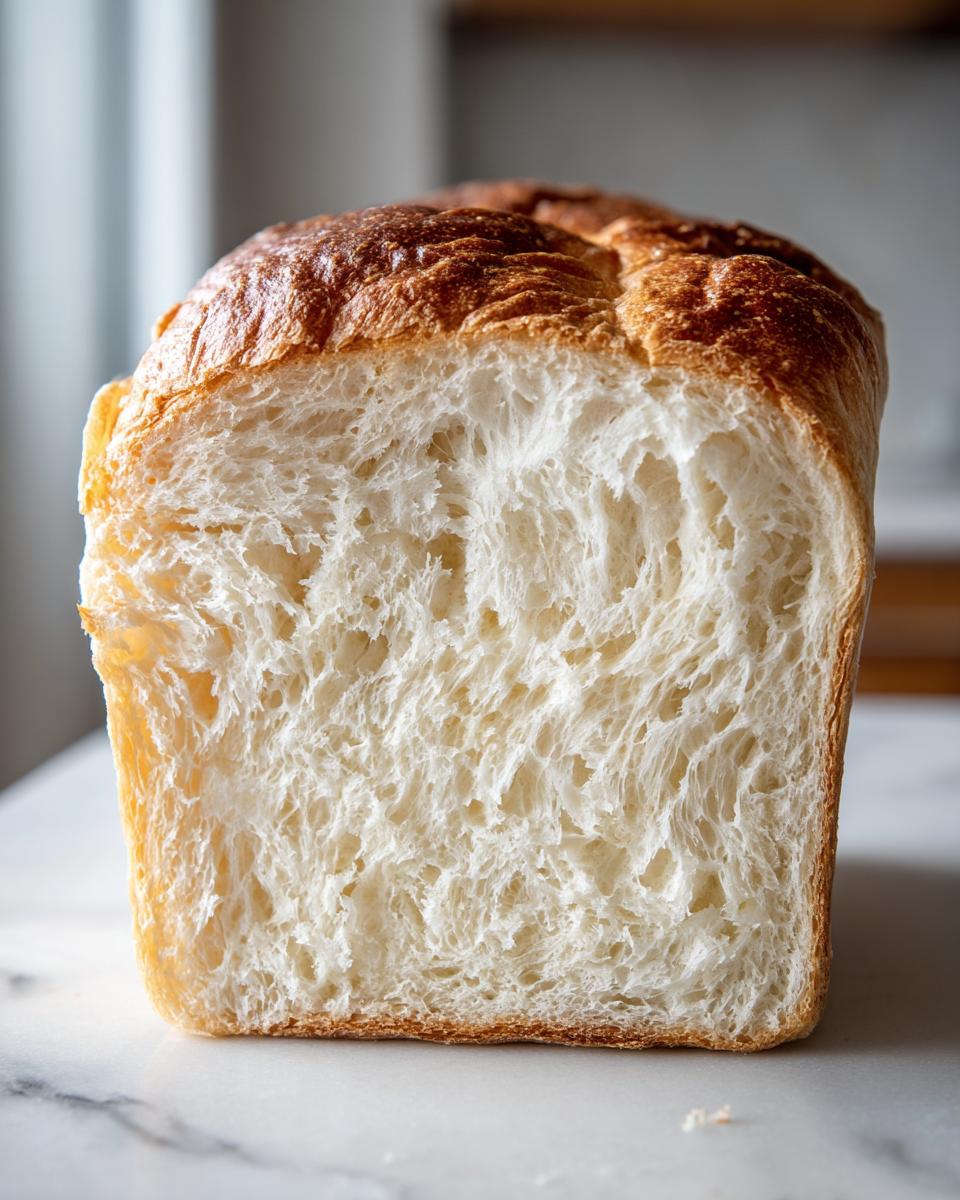
Once the butter is mixed in, you need to knead, knead, knead! Crank that mixer up to medium-low and let it run for a good 10 to 15 minutes.Seriously, don’t skimp on this time. We are aiming for an ultra-smooth, really elastic dough. You should be able to gently stretch a piece thin enough to see light through it without tearing—that’s the famous windowpane test we’re looking for in this fluffy bread!
Proofing and Shaping the Milk Bread
Once kneaded, let the dough rest; it needs to double in size, which takes about an hour to an hour and a half. After that first rise, gently deflate it. Divide the dough into three equal pieces and roll each one into a nice tight little log shape. Place those three logs side-by-side gently into your greased loaf pan. They need about 45 to 60 minutes for their final rise, and you’ll know they’re ready when they’ve nearly touched the top rim of the pan. Be gentle when brushing on that egg wash so you don’t press all that beautiful air out!
Expert Tips for the Best Milk Bread Recipe Results
Look, just following the steps gets you 90% there, but if you want that true bakery-level perfection—the kind that makes people ask where you bought this loaf—you need a couple of extra pointers. This is what separates a good homemade loaf from the Best Milk Bread Recipe you’ll ever make. Firstly, oven temperature stability is huge on soft breads. Oven thermometers are cheap, trust me, use one! Ovens lie, especially when baking something delicate like this milk bread.
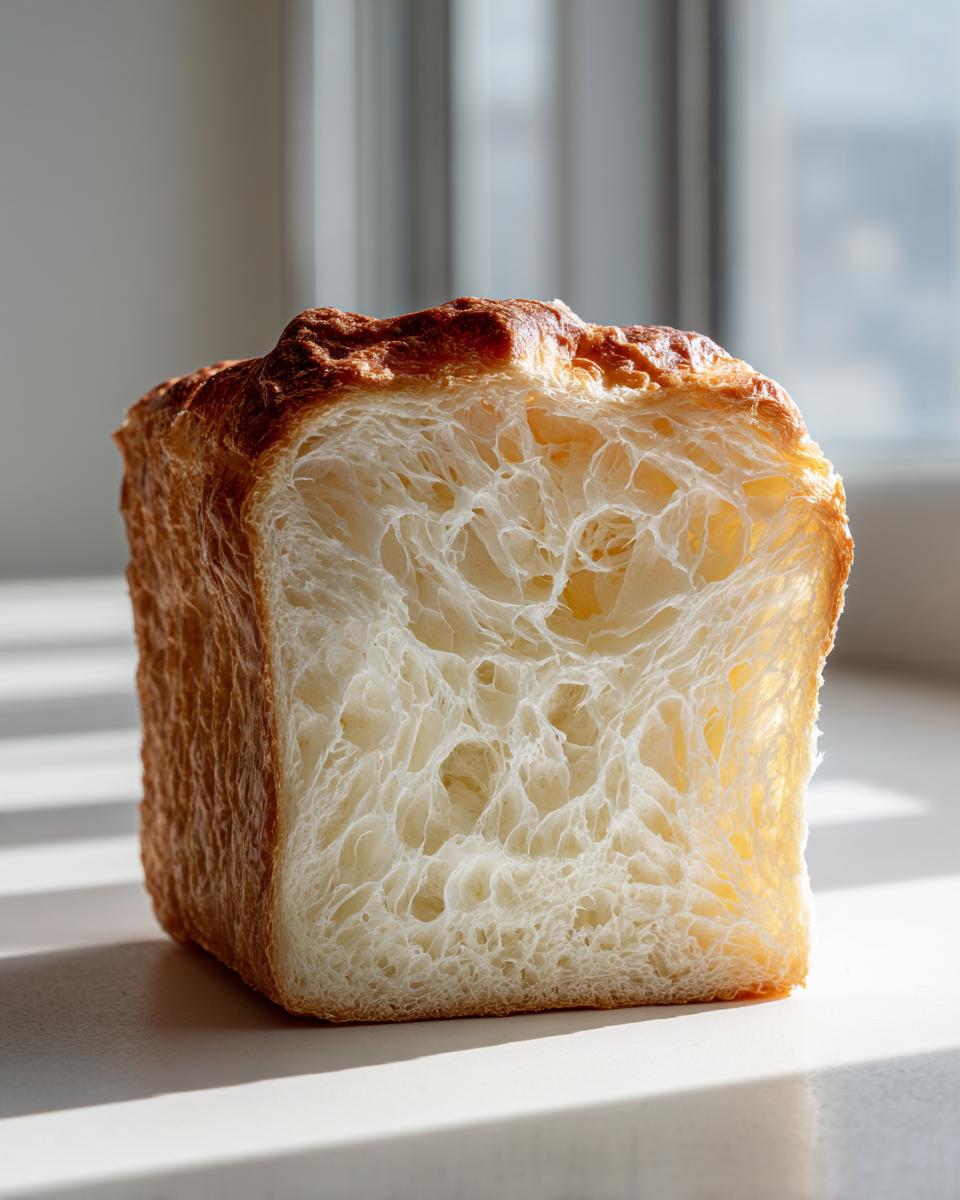
Secondly, and this is critical, you must cool the bread immediately after it comes out. Seriously, don’t leave it sitting in that hot pan for even five minutes. The residual heat will keep steaming the submerged crust, and you’ll end up with a damp, slightly sad bottom crust—and nobody wants that!
When you think it’s done, use an instant-read thermometer. We are looking for an internal temperature of 200°F (93°C). If you’re making something savory later, like my ultimate creamy egg salad, you might bake differently, but for this sweet loaf, 200°F is the sweet spot between cooked and beautifully moist.
Finally, don’t slice it until it’s completely cool. I know, I know, the temptation is real when the aroma fills your kitchen! But cutting it too soon completely collapses that delicate internal structure we worked so hard to build with the Tangzhong.
Troubleshooting Common Milk Bread Issues
Don’t you dare panic if your first attempt at this ultra-soft milk bread doesn’t look exactly like the picture! Baking is learning, and I’ve definitely had my share of sticky disasters. The most common issue I see people run into is managing the dough stickiness. Since this is super high hydration, it *should* feel soft, almost wet, but if your mixer bowl is collecting more dough on the sides than the hook itself, just add flour, one teaspoon at a time. Be super patient with your additions!
If you cut the kneading time short, you’ll end up with a dense crumb because you didn’t develop that structure properly—remember those 15 minutes are essential! And if your loaf looks a bit flat after the first proof, that usually means your kitchen was too cold for the yeast. Yeast is picky! Try sticking the covered bowl in a slightly warm (not hot!) oven for the full rise next time. You’ve got this; a slightly wonky loaf of milk bread still tastes amazing!
Storage and Reheating Instructions for Your Soft Fluffy Bread
This amazing milk bread stays soft for days, which is half the beauty of using the Tangzhong method! For the best results and to keep that lovely, pillowy texture, you must store it correctly. Keep the cooled loaf in an airtight container right on the counter at room temperature. Do not put it in the fridge; that cold air is bread’s worst enemy, and it turns this lovely loaf stiff fast!
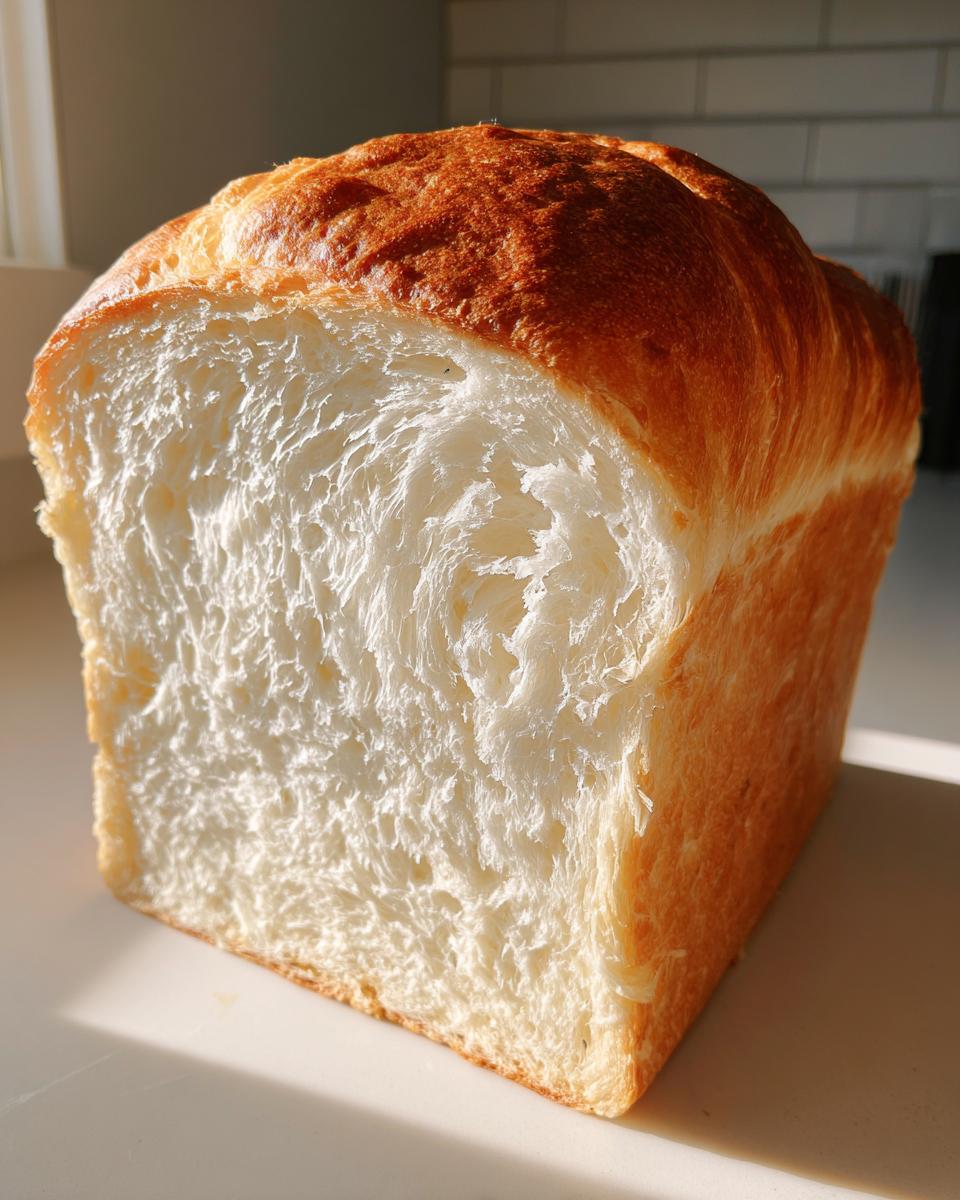
If, after three days, you notice your Soft Fluffy Bread is just a touch less cloud-like, don’t fret or toss it! You can wake it right back up. Just wrap a thick slice in a barely damp paper towel and microwave it for about 10 to 15 seconds. That little bit of steam brings back the moisture, making it feel fresh-baked again. It’s almost like magic! For other incredibly moist bakes, have you seen my moist apple bread recipe?
Serving Suggestions for Your Pillowy Soft Bread
Now that you have the world’s softest loaf sitting on your rack, the real fun begins! This Pillowy Soft Bread is so versatile, you’ll want to use it for everything. Of course, it makes the absolute best, cleanest-cut sandwiches you’ve ever seen—no squishing required! But honestly, the best way to appreciate the texture is simply to slice it thick and toast it lightly, then slather it with good quality butter while it’s still warm.
If you want to turn this into a stunning breakfast treat, it shines as French toast. Trust me, using this bread makes the most incredible classic French toast because it soaks up the custard without falling apart mid-flip. Whether you eat it savory or sweet, this loaf disappears fast!
Frequently Asked Questions About Milk Bread
I know you’re probably still thinking about this beautiful, fluffy loaf! Baking bread can bring up a lot of questions, especially when you’re diving into a technique like Tangzhong for the first time. We want you to feel completely confident heading into your kitchen. Let’s tackle the last few things that might pop up before you start mixing.
Can I use the Yudane Bread Method instead of Tangzhong?
Absolutely! If you’ve heard of the Yudane method, the good news is that it functions almost identically to the process we used here for the milk bread. Yudane just means using boiling hot water for the roux instead of heating it slowly on the stove. It achieves the same starch gelatinization, so you still get that spectacular, soft texture. Try it next time!
Is this Sandwich Bread Recipe Ultra Soft?
It certainly is! I wouldn’t bother sharing a recipe that wasn’t completely fail-proof in terms of texture. Because we used the Tangzhong, this is genuinely one of the softest sandwich bread recipes you will ever encounter. It stays incredibly tender, making it perfect for grabbing that first delicious slice.
Does this milk bread freeze well?
Yes! This loaf is amazing for making ahead. Once it’s completely cooled, slice it up, wrap the slices tightly in plastic wrap, and then seal those bundles in a freezer-safe bag. It lasts beautifully for up to three months. When you want a slice, just pull it out and let it thaw on the counter for about an hour. You can even reheat it gently after thawing if you want that fresh-out-of-the-oven feel. If you want to try another great recipe that freezes well, check out my creamy garlic ricotta white pizza!
Nutritional Estimate for This Asian Milk Bread
Now, I know we aren’t baking this cloud-soft loaf for the calorie count, right? We’re in it for the soft texture and the joy! But for those of you who track macros, here is a rough idea of what you are looking at per standard slice of this Asian milk bread. Remember, this is just an estimate based on the ingredients listed above, and your final numbers might shift based on your specific milk or butter brands.
- Serving Size: 1 slice
- Calories: 180
- Sugar: 4g
- Sodium: 250mg
- Fat: 5g (3g Saturated)
- Carbohydrates: 29g
- Protein: 5g
Enjoy that tender crumb guilt-free; you absolutely earned this slice!
PrintCloud-Soft Japanese Milk Bread (Shokupan)
Make the softest, fluffiest milk bread at home using the tangzhong method. This recipe delivers pillowy, bakery-style results perfect for sandwiches or toast.
- Prep Time: 45 min
- Cook Time: 35 min
- Total Time: 3 hours 0 minutes
- Yield: 1 loaf 1x
- Category: Baking
- Method: Baking
- Cuisine: Japanese
- Diet: Vegetarian
Ingredients
- 100g Bread Flour (for Tangzhong)
- 100ml Water (for Tangzhong)
- 360g Bread Flour
- 2.5 tsp Instant Yeast
- 2 Tbsp Granulated Sugar
- 1 tsp Salt
- 1 Large Egg
- 180ml Whole Milk, warmed (110°F/45°C)
- 45g Unsalted Butter, softened
- 1 Large Egg (for Egg Wash)
- 1 Tbsp Milk (for Egg Wash)
Instructions
- Make the Tangzhong: Whisk the 100g bread flour and 100ml water together in a small saucepan until smooth. Cook over medium-low heat, stirring constantly, until the mixture thickens into a paste (about 160°F or 71°C). Remove from heat, cover the surface with plastic wrap to prevent a skin from forming, and let it cool completely.
- Combine Dry Ingredients: In the bowl of a stand mixer fitted with the dough hook, combine the 360g bread flour, instant yeast, sugar, and salt. Mix briefly on low speed.
- Add Wet Ingredients: Add the cooled Tangzhong, the large egg, and the warmed milk to the dry ingredients. Mix on low speed until a shaggy dough forms.
- Knead: Add the softened butter. Increase the mixer speed to medium-low and knead for 10 to 15 minutes until the dough is smooth, elastic, and passes the windowpane test. The dough will be very soft.
- First Proof: Place the dough in a lightly oiled bowl, turning to coat. Cover and let it rise in a warm place until doubled in size, about 1 to 1.5 hours.
- Shape the Loaf: Gently deflate the dough. Divide it into three equal pieces. Roll each piece into a tight log shape. Place the three logs side-by-side in a greased 9×5 inch loaf pan.
- Second Proof: Cover the pan loosely and let the dough rise again in a warm spot until it has nearly doubled and crests about 1 inch over the rim of the pan, about 45 to 60 minutes.
- Bake: Preheat your oven to 350°F (175°C). Whisk the egg wash ingredients (1 egg and 1 Tbsp milk) and gently brush the top of the dough.
- Bake for 30 to 35 minutes, or until the top is golden brown and the internal temperature reaches 200°F (93°C).
- Cool: Immediately remove the bread from the pan and cool completely on a wire rack before slicing for the best texture.
Notes
- The Tangzhong method is the secret to achieving that cloud-soft, pillowy texture that defines Japanese Milk Bread.
- If you do not have a stand mixer, you can knead this dough by hand, but expect to knead for 20 minutes or more due to the high hydration.
- This bread stays incredibly soft for several days when stored properly in an airtight container at room temperature.
Nutrition
- Serving Size: 1 slice
- Calories: 180
- Sugar: 4
- Sodium: 250
- Fat: 5
- Saturated Fat: 3
- Unsaturated Fat: 2
- Trans Fat: 0
- Carbohydrates: 29
- Fiber: 1
- Protein: 5
- Cholesterol: 30