

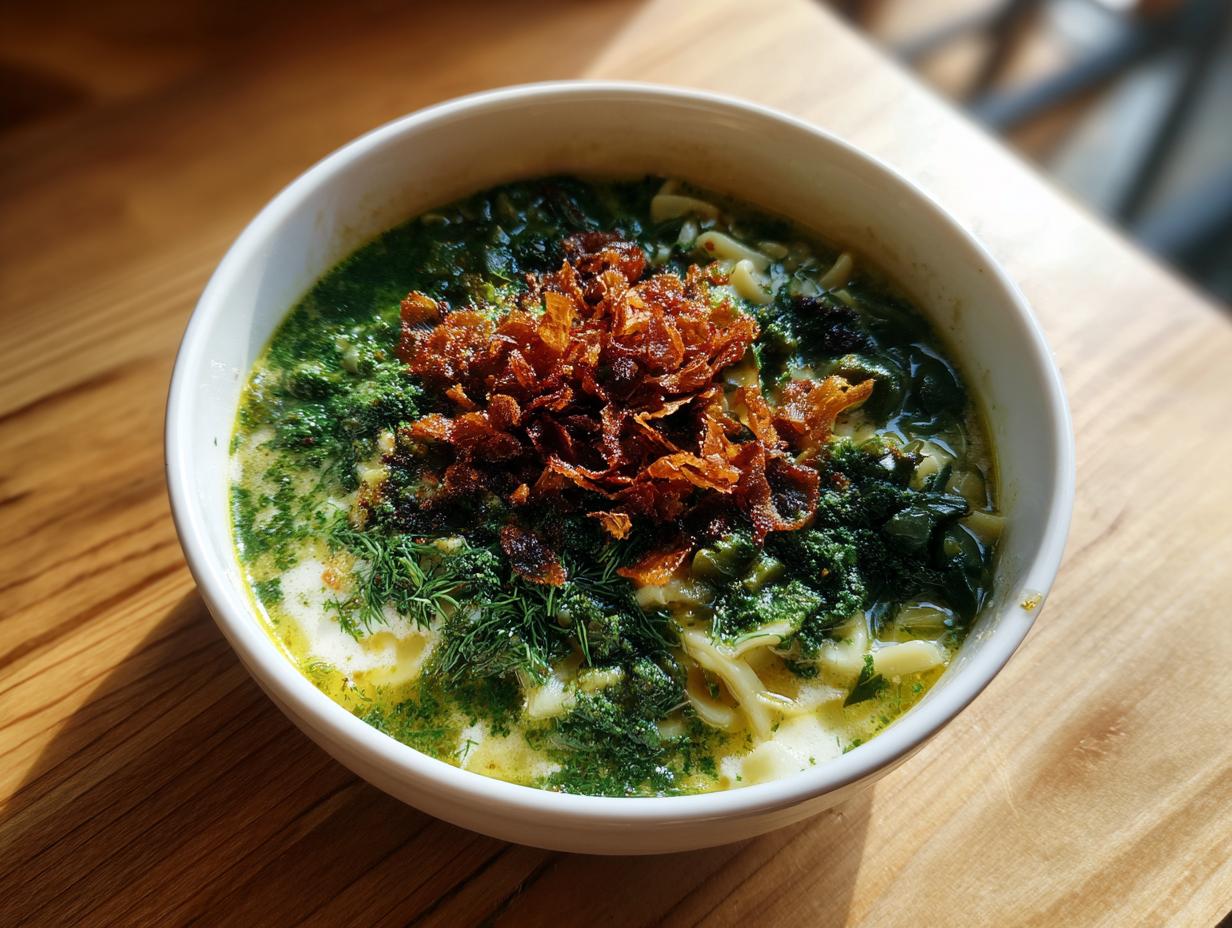
We’ve all been there, right? Staring down a crazy Tuesday evening, thinking, “I need something truly comforting,” but you definitely don’t have three hours to spend simmering things. That’s why, when I bring out my recipe for Ash Reshteh, the king of all persian noodle soup, people think I’ve been cooking all day. They expect complex, traditional techniques, and while the flavor is absolutely 100% authentic, the process I’ve laid out here is designed for you—the busy home cook. This isn’t about cutting corners; it’s about applying simple culinary science to honor tradition without sacrificing your evening. If you are looking for other ways to bring that deep, soulful flavor to your table, you should check out my recipe for Italian Penicillin Soup too. Trust me, this nourishing soup proves you can have extraordinary flavor even on a tight schedule.
- Why This Persian Noodle Soup Recipe is Your New Comfort Staple
- Gathering Ingredients for Your Persian Noodle Soup
- How to Make Ash Reshteh: Step-by-Step Guide
- Expert Tips for the Best Persian Noodle Soup
- Serving and Topping Your Ash Reshteh
- Storage and Reheating for Your Legume and Noodle One Pot Meal
- Dietary Adaptations for Vegetarian Persian Soup
- Frequently Asked Questions About Persian Noodle Soup
- Estimated Nutritional Data for This Nourishing Bean and Herb Soup
- Share Your Experience Making This Persian Noodle Soup
Why This Persian Noodle Soup Recipe is Your New Comfort Staple
When I first started making this incredible dish, I thought authenticity meant spending an entire weekend stirring beans. Wrong! This Ash Reshteh recipe delivers that deeply layered, soulful flavor you dream about, but I’ve streamlined the steps so you can actually enjoy eating it without feeling exhausted. It truly is the best one-pot meal for when the weather turns chilly.
Here’s the honest breakdown of why you’re going to become obsessed with this version of persian noodle soup:
A Truly Hearty Persian Comfort Food
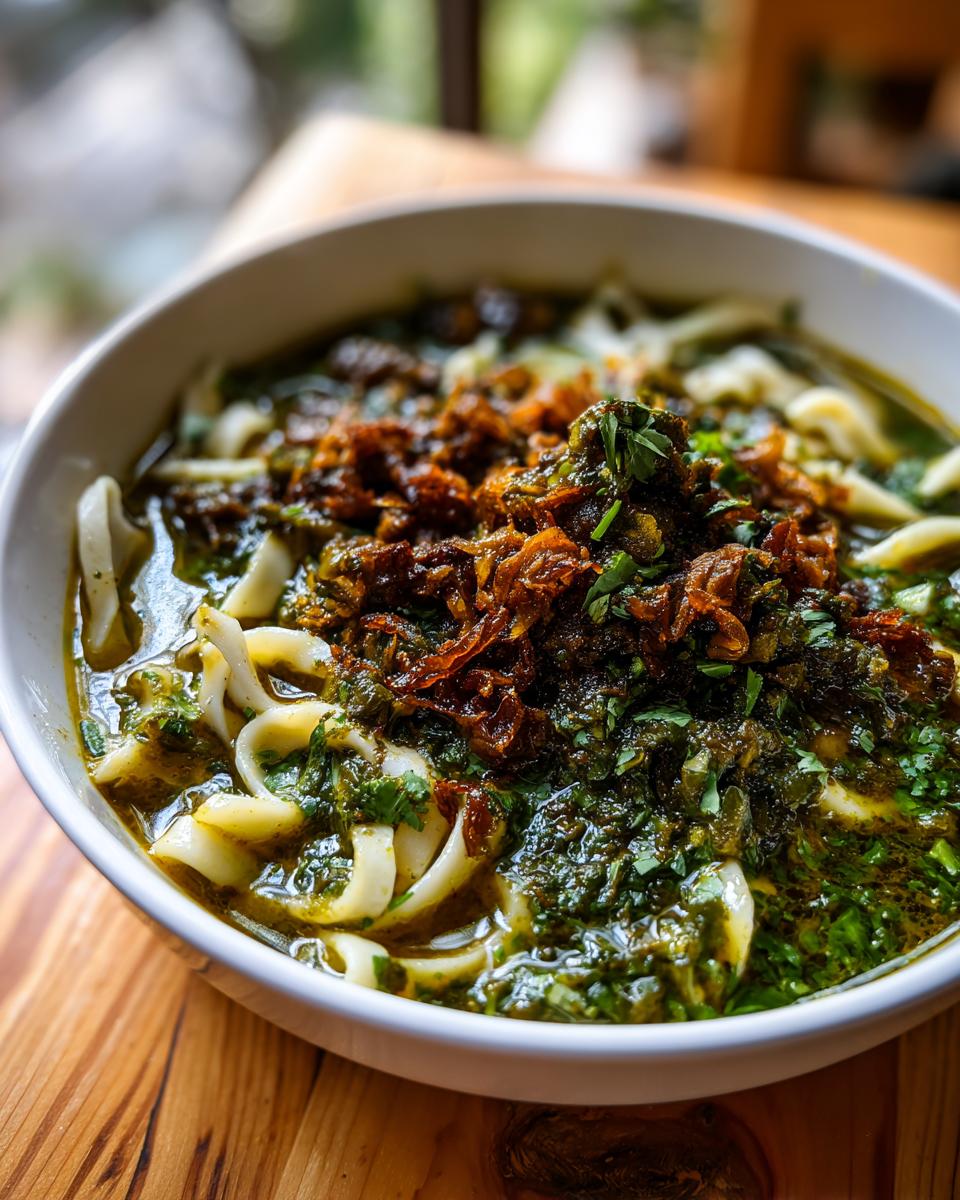
This isn’t some thin, watery soup you sip on the side. This is a complete meal! We’re packing it with chickpeas, lentils, kidney beans, and tender noodles all swimming in that gorgeous, herby broth. It’s genuinely satisfying—a real Hearty Persian comfort food that sticks to your ribs. If you want to see another recipe that really excels at deep layering, you should check out my guide on how to get deep flavor in chili.
Achieving Authentic Flavor Simply
The key to authentic flavor is usually careful seasoning, but for this soup, it’s all about the herbs. I walk you through exactly how to sauté them to concentrate their flavor. It sounds like an extra step for a beginner, but I promise, wilting those herbs down before they hit the liquid is what transforms a good soup into *incredible* persian noodle soup. You see? Cooking like Grandma doesn’t mean being slow; it means being smart!
Gathering Ingredients for Your Persian Noodle Soup
Okay, so before we start the magic, we need to talk about gathering your crew! Since this persian noodle soup relies on deep, earthy flavor, the ingredients matter. Don’t just grab dried beans willy-nilly! We’re using a mix of legumes, and they all need a little head start. Remember, this is where the heartiness comes from, so planning ahead is key. And don’t skip the herbs—they are non-negotiable for that bright, fresh taste!
Legumes and Broth Base for the Persian Noodle Soup
First up are the heavy hitters: the chickpeas and kidney beans. You absolutely must soak these overnight, plain and simple. It cuts down on cooking time dramatically. The lentils, thankfully, just need a quick rinse before they hop into the pot with your broth. I always recommend a good quality vegetable broth here since this whole dish is vegetarian, but truthfully, use the best broth you have access to. If you’re looking for another great recipe that highlights lentils beautifully, hang on to my veggie lentil salad recipe for warmer days!
The Aromatic Herb Mix: Key to Authentic Ash Reshteh
This is the soul of Ash Reshteh, so pay attention to your greens! You need a good amount of fresh parsley, cilantro, dill, and spinach. The secret isn’t just having them, it’s how you prep them—they need to be finely chopped. Imagine almost a paste consistency when we sauté them later. Don’t forget the dried mint, which gives that distinctive warmth. If you can find dried fenugreek, toss it in too; that’s deep-cut stuff that really builds flavor, but it’s optional if you’re just starting out.
Essential Toppings for the Traditional Iranian Noodle Dish
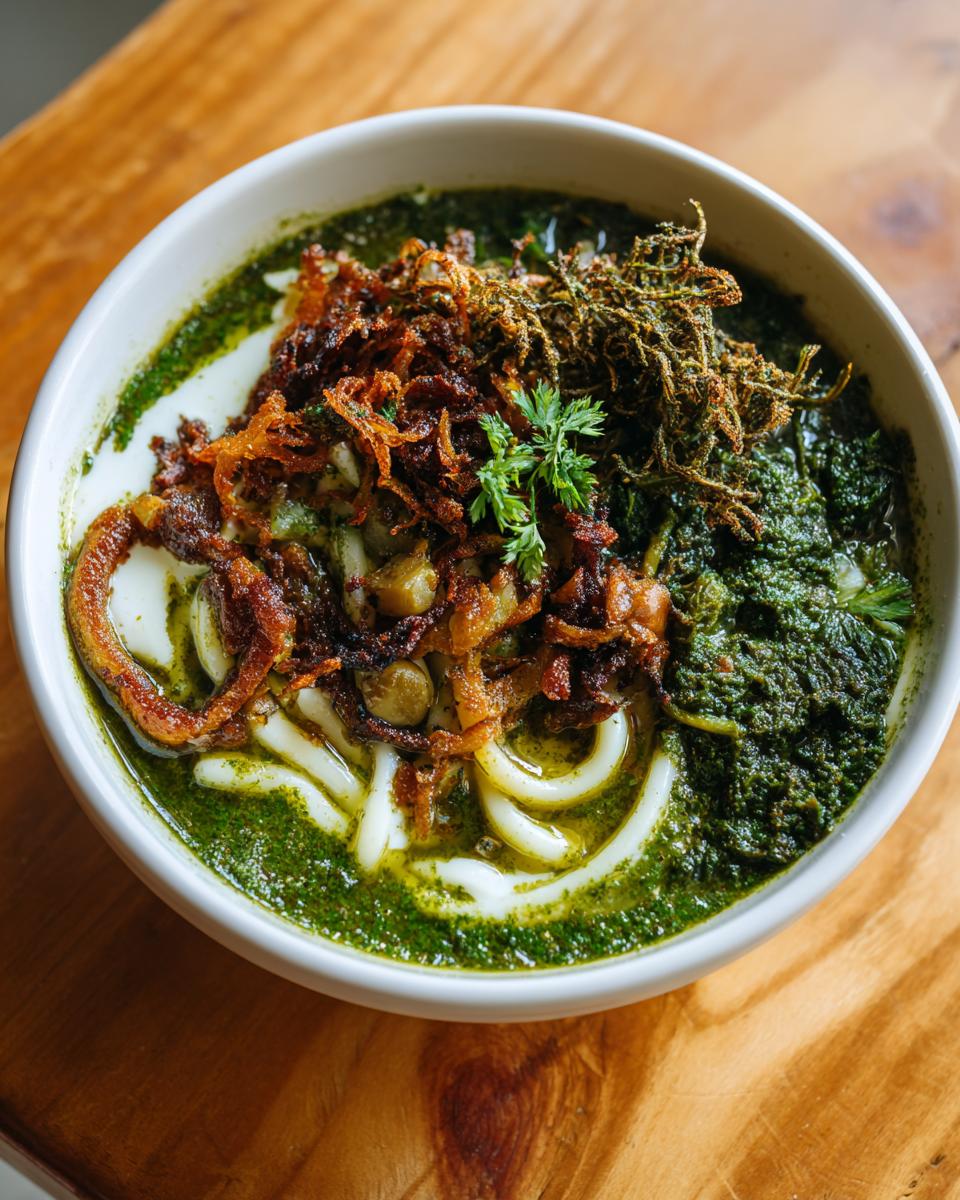
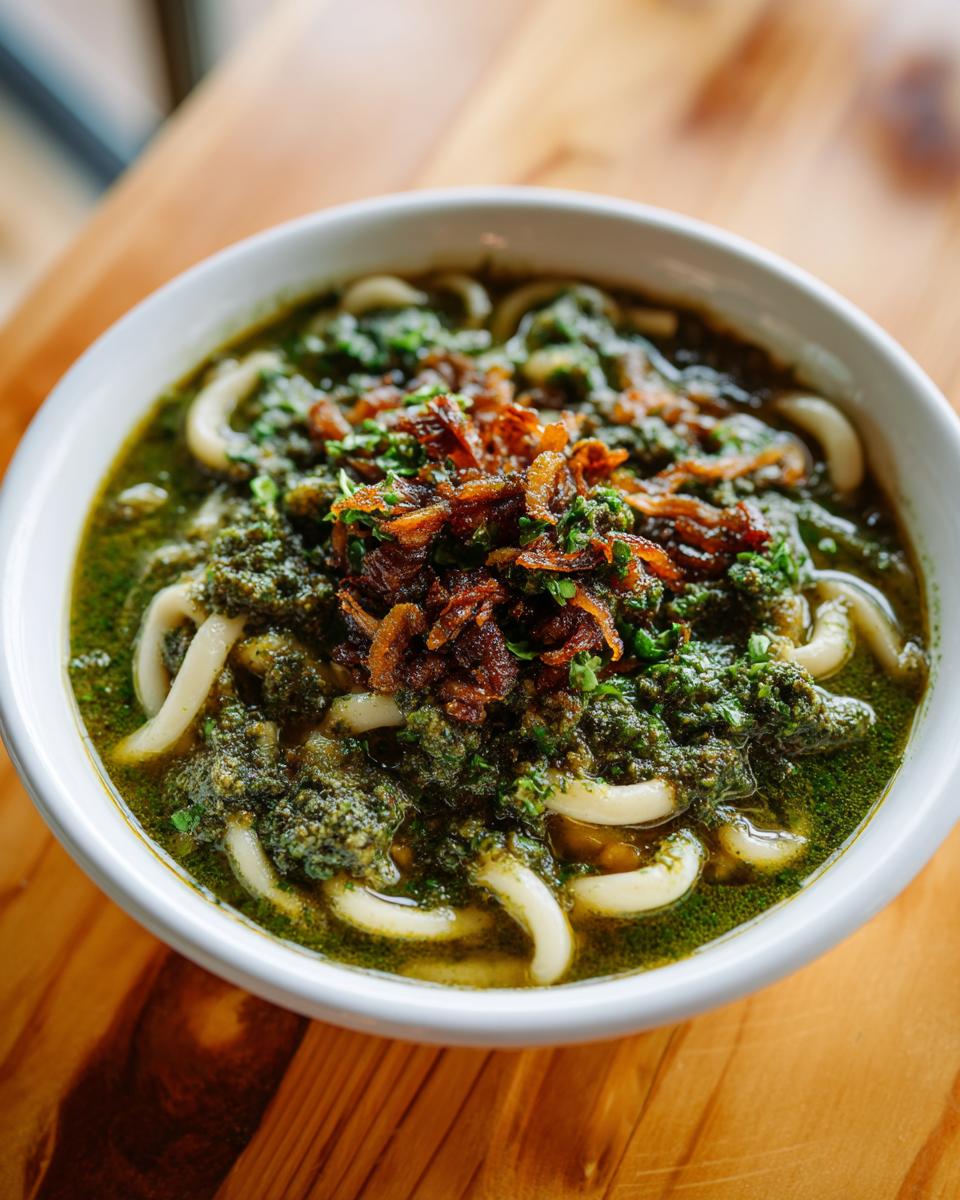
You can’t serve this amazing persian noodle soup without its royal crown! The toppings finish the experience. You’ll need kashk—that’s the traditional Persian whey that gives it that tangy creaminess. Then, you must have crispy fried onions and a drizzle of fried mint oil. Seriously, these toppings make the dish look and taste exactly like the ones from my favorite Iranian spots. They honestly take this from yummy home cooking to spectacular Traditional Iranian Noodle Dish.
How to Make Ash Reshteh: Step-by-Step Guide
Alright, this is where we bring it all together! Learning How to make Ash Reshteh feels intimidating because it has so many components, but I promise you, we’re tackling this one phase at a time. We’re building layers of flavor here, so don’t rush the process; just follow the steps, and you’ll see how easy it is to create this deeply satisfying persian noodle soup.
Simmering the Legumes for the Persian Noodle Soup Base
First things first: the legumes need time to get happy. After you’ve drained and rinsed your soaked chickpeas and beans (remember doing that last night?), get them into your biggest pot with the vegetable broth. Bring that up to a boil, check on it, and then knock the heat down to a steady simmer. You want these going for about an hour to an hour and a half until they are softening up nicely. Then, toss in your rinsed lentils and keep simmering until everything is fully tender. Don’t worry if the liquid reduces a bit; that’s concentrating the flavor beautifully anyway!
Developing Flavor: Sautéing Onions and Herbs
While the beans are doing their thing, it’s time to unlock the herb power! Grab a separate skillet and get some oil hot. Toss in your chopped onion and cook until it’s soft and translucent—that usually takes me five minutes. Next, the garlic and turmeric go in for just one minute until you can really smell them. Now, dump in all those beautiful green herbs (parsley, cilantro, dill, spinach, dried mint). You need to cook these down, stirring often, for a good 10 to 15 minutes. They will shrink down a ton! I do this step because it concentrates the earthy flavor so much that you can’t get it just by boiling them. It truly makes a difference in the final taste of our persian noodle soup.
Combining and Cooking the Noodles in the Hearty Persian Comfort Food
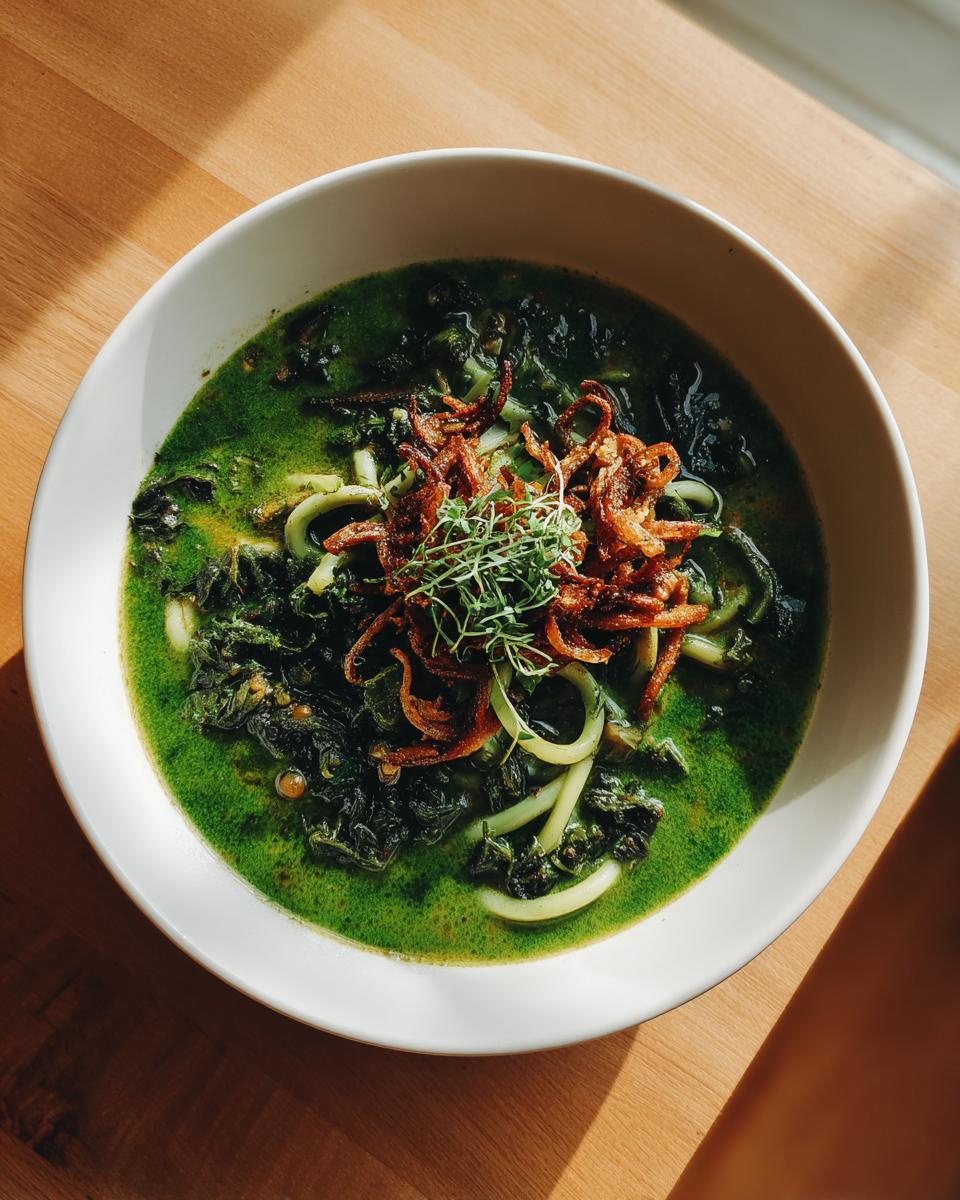
Once those legumes are perfectly soft, take that intensely flavored herb mixture and stir it right into the pot. Give it a good mix, salt and pepper it well, and let it simmer together for a bit so the flavors marry. Now for the noodles! Add your *reshteh* noodles and cook them according to the package directions—it’s usually around 8 to 10 minutes. Keep stirring occasionally, seriously, because those noodles love to stick to the bottom of the pot and turn your soup to glue! If the whole thing looks too thick while the noodles are cooking, just splash in a bit of hot water. For loads of recipes that work well in one pot, check out my guide on easy one pot meals. Don’t forget to follow the instructions on this link for another great perspective on making this soup!
Expert Tips for the Best Persian Noodle Soup
Look, I know I’ve given you my authentic steps, but making amazing food is all about trusting your instincts and knowing how to handle the inevitable roadblocks. Cooking shouldn’t feel like a high-stakes science exam! These little tips ensure your persian noodle soup comes out perfect every single time, whether you’re making it for yourself or sticking to tradition for Nowruz. If you love learning clever kitchen tricks, you should definitely look at how I make my peach cobbler—it has a secret crust trick.
Noodle Substitutions for This Traditional Iranian Noodle Dish
The absolute best noodle for this is reshteh, no question. It has the perfect texture to soak up all that seasoned broth without turning to mush too fast. However, I live in the Midwest, and sometimes those specialty noodles are nowhere to be found! Don’t panic and don’t use fat pasta. The best swap is usually thin spaghetti or even angel hair pasta, but you have to break it into small, manageable inch-long pieces before you drop them in. If you don’t break them, stirring becomes impossible, and you’ll end up with one giant noodle clump, which is the opposite of the beautiful texture we want in this persian noodle soup.
Making the Aromatic Soup with Fresh Herbs Ahead of Time
Here’s a little secret I use when I know I’m making this soup for a busy weeknight: you can totally get ahead on the flavor base! The herb sauté—where we wilt down all that parsley, dill, and cilantro—is the most time-consuming part after the beans. You can absolutely do that step two days ahead of time. Sauté the onions, garlic, turmeric, and all those greens until they are wilted down, then let the mixture cool completely before storing it in an airtight container in the fridge. When you are ready to cook, just start with the beans simmering, and then add your pre-made herb base right in before you add the noodles. It saves you nearly 20 minutes right when you need it most!
Serving and Topping Your Ash Reshteh
We’re at the finish line! You’ve simmered your legumes, lovingly wilted your herbs, and cooked those noodles perfectly. Now comes the part that makes people stop mid-bite and ask exactly what you made. This isn’t just soup; it’s a presentation. Serving Ash Reshteh correctly is almost as important as making the base taste right. Seriously, you have to go all out on the toppings if you want that authentic experience.
When you ladle out this beautiful, thick persian noodle soup, make sure you scoop enough of the beans and herbs in there—don’t just serve broth! Remember that final flourish is what elevates this dish.
Let’s talk about the essential trio:
- Kashk: This is the real star for presentation and flavor. It’s a traditional fermented dairy product, kind of like a tangier, thicker sour cream. You need to drizzle this generously over the center of the bowl. If you are looking for more ways to use dairy or creams in savory dishes, check out my tips for candied pecans—even though they are sweet, the technique for drizzling works perfectly here.
- Fried Onions (Piaz Dagh): These add texture and a deep, savory crunch that contrasts beautifully with the soft noodles. You want them crispy!
- Fried Mint Oil (Nana Dagh): Mmm, the smell alone! You fry dried mint in a little oil until it’s fragrant but *not* burnt. A small swirl of this bright green oil on top of the kashk is the final, professional touch that signals you know what you’re doing with this dish. It makes for fantastic Kashk topping ideas for soup!
Putting those three elements together makes all the difference. For guests who might be exploring Middle Eastern cuisine for the first time, the visual appeal helps so much. And if you want to see my favorite way to serve this soup with an authentic perspective, check out this guide on traditional preparation.
Storage and Reheating for Your Legume and Noodle One Pot Meal
Okay, as much as I wish we could eat the entire pot of this amazing persian noodle soup in one sitting, leftovers are part of the experience! Store any extra in an airtight container in the fridge. Just a fair warning: those tender noodles will keep soaking up broth overnight. When you reheat it the next day, it’s going to be super thick, more like a stew.
But that’s easy to fix! Just add a splash of hot water or extra broth when you bring it back up to temperature on the stove. It reheats beautifully, and honestly, the flavor actually deepens overnight. For more great tips on making single-batch meals last, check out my notes on one-pot creamy soup storage.
Dietary Adaptations for Vegetarian Persian Soup
One of the best things about a dish like Ash Reshteh is how naturally accommodating it is. If you’re in the market for a satisfying Vegetarian Persian soup, you’re already halfway there! Since we build the flavor around legumes, herbs, and spices, meat isn’t even needed for it to feel substantial and deeply flavorful. It’s my go-to when friends who eat plant-based come over because the texture is just so satisfying.
Since we already skipped the meat, let’s talk specifics to make sure it fits your table perfectly. Even if you aren’t strictly vegetarian, using vegetable broth is a great way to keep this persian noodle soup light yet earthy.
Now, here’s the big question everyone asks about toppings: Is it vegan? Not exactly, because of the kashk. Kashk is dairy-based whey, so if you are completely vegan, you’ll need a substitute for that tangy creaminess. I’ve seen amazing results when people swirl in a thick, homemade cashew cream or even some plain cultured soy yogurt. They give you that necessary contrasting texture and tang without the dairy! If you’re looking for other ways I adapt recipes to be totally plant-based, you should look at my vegan banana bread recipe—it’s ridiculously good.
For anybody following a standard vegetarian diet, you are golden! Just use your best vegetable broth and you’re set. It’s such a nourishing, complete meal. If you want to see what another talented cook does to keep this dish cozy and comforting, check out the version shared over at Cora’s Recipes.
Frequently Asked Questions About Persian Noodle Soup
I know you probably have a few lingering thoughts after digging into this amazing persian noodle soup! It’s natural when diving into a traditional recipe like this. I always want to make sure you feel totally confident before you start simmering. If you have any other questions after trying it, drop them down below! But first, let’s tackle the ones I get asked most often about this fantastic Ash Reshteh guide.
Is Ash Reshteh traditionally served during Nowruz?
Yes, absolutely! It’s the quintessential dish for celebrating the Persian New Year, or Nowruz. The longer strands of the noodles, the *reshteh*, symbolize weaving the threads of good fortune for the new year. So, if you’re looking for great Nowruz recipes tradition to try, this is your centerpiece dish. It’s eaten to bring luck and prosperity, which is just the sweetest reason to cook something!
Can I make this *persian noodle soup* recipe in a slow cooker?
Oh, you totally *can*, but you have to work in stages! The slow cooker is great for the initial legume cooking phase, which needs a long, slow simmer anyway. So, you’d cook the beans and lentils in the slow cooker for 6–8 hours on low. However, you MUST sauté the onions and herbs separately on the stovetop—you just can’t get that crucial flavor concentration in a slow cooker environment. Then, you add the herb mixture and noodles in at the end to cook on high for the final hour. For other meals that benefit from slower cooking, I always recommend checking out my recipe for easy chicken tortilla soup and comparing timing!
What is Kashk and where can I find it?
Kashk is the wonderful, tangy topping that really defines the traditional flavor profile. Think of it as highly concentrated, salty, dried Persian whey—it’s richer than sour cream but tangier than Greek yogurt. You can usually find it in the refrigerated dairy section of Middle Eastern or international grocery stores. If you can’t find it locally, you can definitely order dehydrated kashk online, which you just rehydrate with water to get that perfect consistency for topping your Hearty Persian Comfort Food!
Estimated Nutritional Data for This Nourishing Bean and Herb Soup
I’m such a huge believer that food should taste amazing *and* make you feel good, right? Since this Nourishing Bean and Herb Soup is packed with fiber from all those legumes and fresh vitamins from the herbs, it truly is feel-good food. But I always want to be super clear—you know I’m cooking in my home kitchen, not in a fancy lab! So the numbers below are my best educated estimates based on using standard ingredients like vegetable broth and average noodle amounts.
If you swap out the broth for chicken, or if you use a ton more kashk on top, the numbers will shift a little. That’s just the reality of cooking from scratch! Still, this gives you a great baseline for how incredibly balanced this persian noodle soup is. If you’re looking for another recipe where nutrition and ease come together perfectly, you have to try my one-pot beans and rice.
Here is the estimated breakdown per serving (about 1 bowl):
- Calories: 450
- Fat: 12g (and most of that is the good, unsaturated kind!)
- Carbohydrates: 70g
- Fiber: 15g (Yes! That’s a huge win!)
- Protein: 25g
- Sugar: 8g
See? That protein and fiber count tells you exactly why this Ash Reshteh keeps you full and satisfied for hours. It’s real food that works hard for you!
Share Your Experience Making This Persian Noodle Soup
Now that you’ve got the marching orders for the most delicious, soul-soothing bowl of ancient comfort food, I really, truly want to hear about it! Did you manage to find the reshteh noodles, or did you go with the spaghetti swap? Did the herb sauté shrink down exactly like I said it would? These little details are what help me keep improving these classics.
Please don’t keep your success story a secret! Take a moment below to leave a rating for this persian noodle soup recipe—even three stars shows me you appreciated the effort, and five stars lets me know I nailed it for you.
And if you took a gorgeous photo of the finished bowl, crowned with that beautiful kashk and fried mint, I’d be thrilled if you tagged me on social media! Seeing your kitchen come alive with these traditional Persian flavors is honestly the best part of my day. If you’re curious about my own journey and how I got started making recipes that fit busy lives, you can read more about me over on the About Page.
If you tried a fun variation on the toppings or had a particular success story, drop all the details in the comments! And for another fantastic, authentic take on this dish worth checking out once you’re done, take a look at the wonderful instructions provided by The Delicious Crescent here. Happy cooking, friends!
PrintAuthentic Ash Reshteh (Hearty Persian Noodle Soup)

Make this traditional Persian noodle soup, Ash Reshteh, which is packed with fresh herbs, legumes, and tender noodles. It is a deeply comforting, one-pot meal perfect for any day you crave authentic Middle Eastern flavor.
- Prep Time: 30 min
- Cook Time: 2 hours
- Total Time: 2 hours 30 min
- Yield: 6 servings 1x
- Category: Dinner
- Method: Stovetop Simmering
- Cuisine: Persian
- Diet: Vegetarian
Ingredients
- 1 cup dried chickpeas, soaked overnight
- 1 cup dried kidney beans, soaked overnight
- 1 cup dried lentils, rinsed
- 1 large onion, chopped
- 3 cloves garlic, minced
- 1 cup fresh parsley, chopped
- 1 cup fresh cilantro, chopped
- 1 cup fresh dill, chopped
- 1 cup fresh spinach, chopped
- 1/2 cup dried mint
- 8 ounces reshteh noodles (or thin egg noodles if reshteh is unavailable)
- 6 cups vegetable broth
- 1/2 cup dried fenugreek leaves (optional)
- 1/4 cup turmeric powder
- Salt and black pepper to taste
- Oil for sautéing
- For Topping: Kashk (Persian whey), fried onions, and fried mint
Instructions
- Drain and rinse the soaked chickpeas and beans. Place them in a large pot with the vegetable broth. Bring to a boil, then reduce heat and simmer until partially tender, about 1 to 1.5 hours. Add the rinsed lentils and continue simmering.
- While the legumes cook, prepare the herbs. In a separate large skillet, heat oil over medium heat. Sauté the chopped onion until soft, about 5 minutes. Add the minced garlic and turmeric, cooking for one minute until fragrant.
- Add all the fresh chopped herbs (parsley, cilantro, dill, spinach) and dried mint to the skillet. Cook, stirring often, until the herbs wilt down significantly, about 10 to 15 minutes. This step concentrates the flavor.
- Add the sautéed herb mixture to the pot with the simmering legumes. Stir well. Add salt and pepper. Continue cooking until the legumes are fully tender.
- Add the reshteh noodles to the soup. Cook according to package directions, usually 8 to 10 minutes, stirring occasionally to prevent sticking. If the soup becomes too thick, add a little hot water.
- Taste and adjust seasoning. If using dried fenugreek, stir it in during the last 5 minutes of cooking.
- Ladle the hot soup into bowls. Top each serving generously with kashk, a sprinkle of fried onions, and a drizzle of fried mint oil. Serve immediately.
Notes
- You can prepare this as a vegetarian Persian soup by using vegetable broth. For a richer flavor, use chicken broth if you are not following a strict vegetarian diet.
- If you are making this for Nowruz recipes tradition, prepare the toppings (fried onions and mint) ahead of time to save time on the day of serving.
- If you cannot find reshteh noodles, use thin spaghetti broken into small pieces or angel hair pasta.
Nutrition
- Serving Size: 1 bowl
- Calories: 450
- Sugar: 8
- Sodium: 650
- Fat: 12
- Saturated Fat: 2
- Unsaturated Fat: 10
- Trans Fat: 0
- Carbohydrates: 70
- Fiber: 15
- Protein: 25
- Cholesterol: 5