

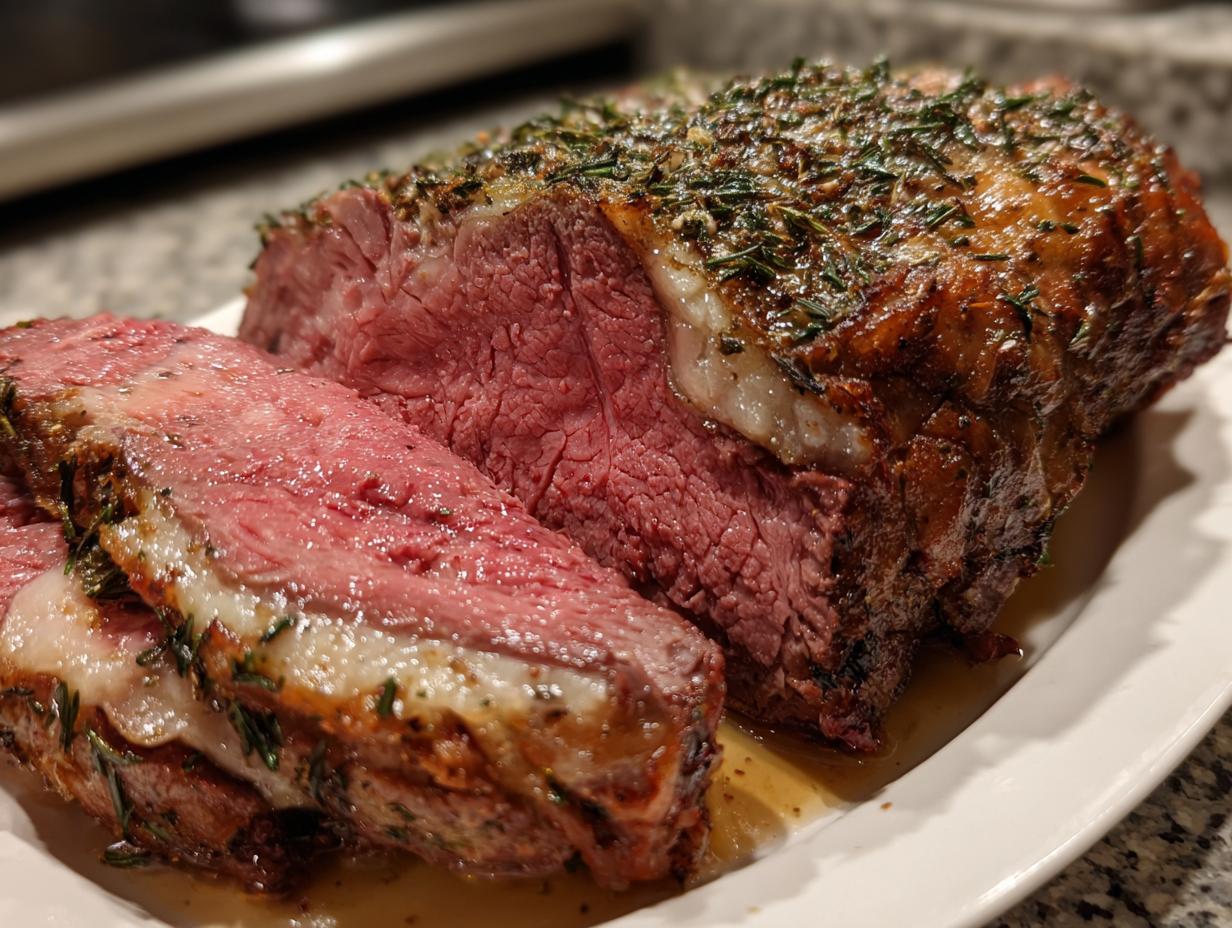
When the holidays roll around, everyone wants that show-stopping centerpiece, right? The kind of roast that makes people stop talking the second you carry it in. For years, I thought achieving the perfect, juicy, medium-rare prime rib roast oven finish was reserved for fancy steakhouses. My marketing career involved endless deadlines, and the last thing I needed was a high-stakes roast stressing me out!
But drawing on that deep sense of tradition from my family’s kitchen, I cracked the code. This isn’t just any recipe; it’s my foolproof oven method designed for real life. We’re talking about maximum flavor, that incredible herb crust, and guaranteed tenderness every single time. If you’ve been intimidated by this cut of beef, stick with me. We’re going to nail this oven roasted prime rib recipe together.
If you want to see the full recipe details before we dive in, check out this primary guide: Foolproof Juicy Prime Rib Roast.
- Why This Foolproof prime rib roast oven Method Delivers Perfection
- Ingredients for the Herb Crusted prime rib roast oven
- How to Prepare the prime rib roast oven: Step-by-Step
- Essential prime rib cooking temperatures Guide
- Tips for a Stress Free prime rib roast oven Experience
- Serving Suggestions for Your Holiday Beef Roast Recipe
- Storage and Reheating Juicy prime rib roast instructions
- Frequently Asked Questions about the prime rib roast oven
- Share Your prime rib roast oven Success
Why This Foolproof prime rib roast oven Method Delivers Perfection
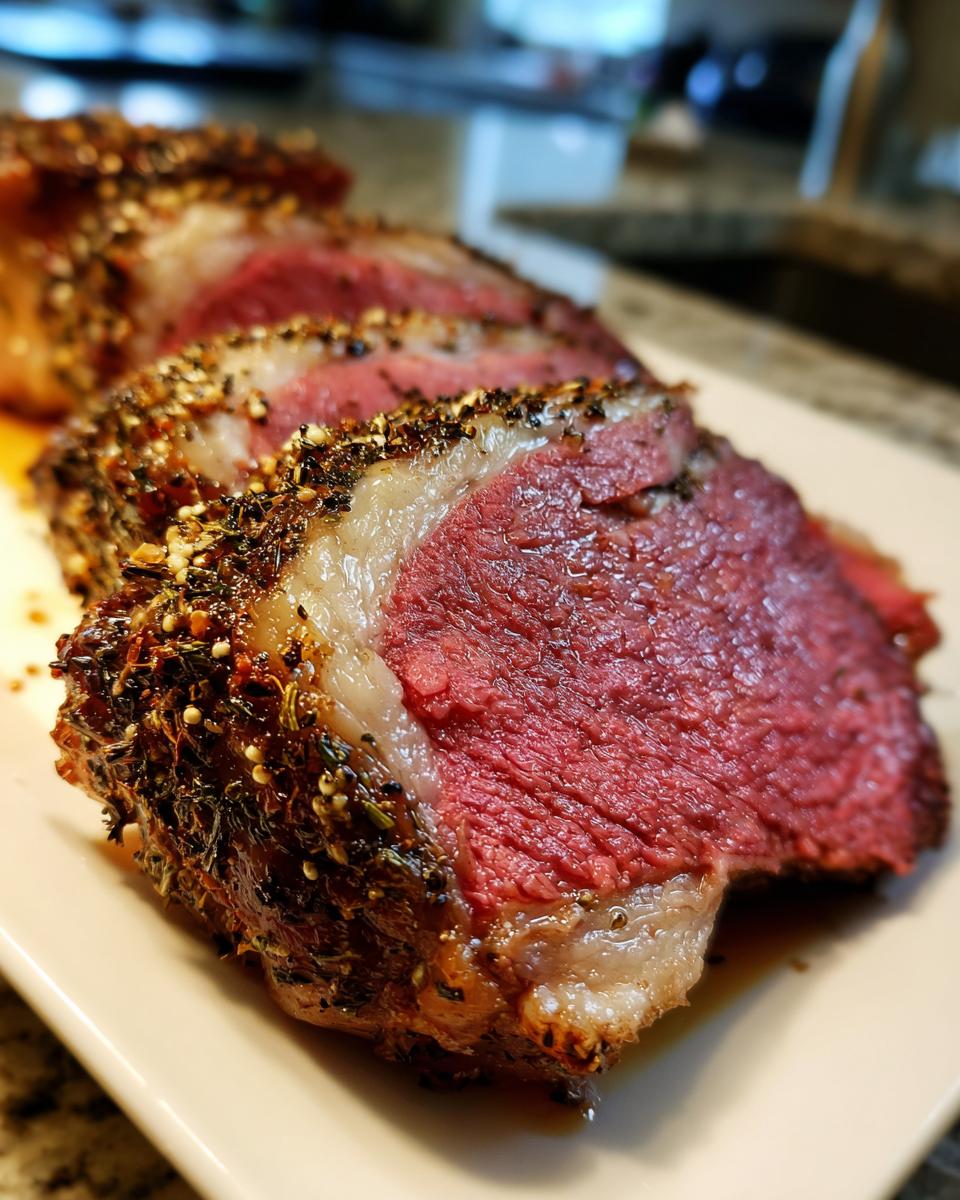
I know, I know. Cooking a massive standing rib roast feels like it should require expert skill, but honestly, the success of this prime rib roast oven method comes down to managing heat—that’s it! Using the dual-temperature strategy is the secret sauce that turns a beautiful cut of beef into that show stopping roast recipe everyone talks about for months.
- We blast it hot first! That initial 15 minutes at 500°F isn’t about cooking the inside; it’s about creating that deep mahogany crust that seals in all the wonderful juices.
- Then, we drop it low and slow. Lowering the temperature prevents the outside from burning while the inside gently climbs to that perfect medium rare prime rib zone we are aiming for. It’s patient cooking, and it pays off big time.
Honestly, this technique beats trying to hover over a smoker any day. For more inspiration on slow, flavorful roasts, you should check out my guide on the best melt-in-your-mouth pot roast recipe, because the principle of gentle cooking is similar!
The Magic of Temperature Control for Your prime rib roast oven
That initial burst of heat at 500 degrees Fahrenheit is strictly for browning the outside of your prime rib roast oven masterpiece. We sear fast, and we don’t mess around! Once that crust is set, immediately pull the temperature back to 325°F. If you skip that reduction, you end up burning the herbs before the inside even gets warm. Remember, following these juicy prime rib roast instructions means temperature is everything, and letting it rest afterwards is just as important right after you pull it!
Ingredients for the Herb Crusted prime rib roast oven
Okay, listen up about ingredients—this is where the flavor foundation gets laid for our herb crusted prime rib roast oven. Don’t get fancy here; we’re sticking to quality staples for this oven roasted prime rib recipe. When you have a piece of meat this good, you only need to enhance it, not hide it under weird spices. I’ve listed exactly what you need for that savory, aromatic blanket that holds beautifully onto the beef.
And when you’re done with the prep, you absolutely must check out my recipe for creamy roasted garlic mashed potatoes; they are the only acceptable side dish, trust me!
Ingredient Notes and Substitutions for prime rib roast oven
Let’s talk specifics, because details matter when you’re making a holiday star. If you’re doing the prime rib bone in oven method, just know the bone really helps insulate the meat, which is fantastic for even roasting. If you have a boneless prime rib oven method cut, you might need to slightly reduce that 325°F cooking time, so keep that thermometer handy!
My biggest piece of advice? You have to use kosher salt here. Table salt is too harsh and can actually draw moisture out too quickly during the initial blast. For the herbs, fresh is non-negotiable for this level of flavor payoff. If you use dried rosemary or thyme, cut the amount in half because they are much more potent!
How to Prepare the prime rib roast oven: Step-by-Step
Alright, this is the moment of truth! Getting the easy prime rib roast technique down is all about organization and timing. First things first: you absolutely cannot rush this. Take your roast out of the fridge at least two or three hours before you even think about turning on the oven. We need that large hunk of beef to relax and warm up a bit; it’s crucial for even cooking, especially if you want that perfect medium rare prime rib.
While it’s warming up, you’ll mix that glorious garlic and herb rub—the one we talked about—and press it firmly all over that oiled roast. Make sure it’s completely covered! Then, get your oven RAGING hot to 500°F. Place the roast fat-side up on the rack in its pan. Now, here’s my non-negotiable rule for the prime rib roast oven: 15 minutes at 500°F, no peeking, no opening the door! For more fantastic advice on timing large roasts, check out my thoughts on my favorite Sunday dinner ideas, including pot roast.
After those 15 minutes are up, drop the heat immediately down to 325°F. Don’t open the door to check; just adjust the dial and let it roast away. This is where patience kicks in, and you bring that instant-read thermometer out. I sourced some wonderful tips on oven temperatures over at this great resource if you want another look!
Achieving the perfect medium rare prime rib temperature
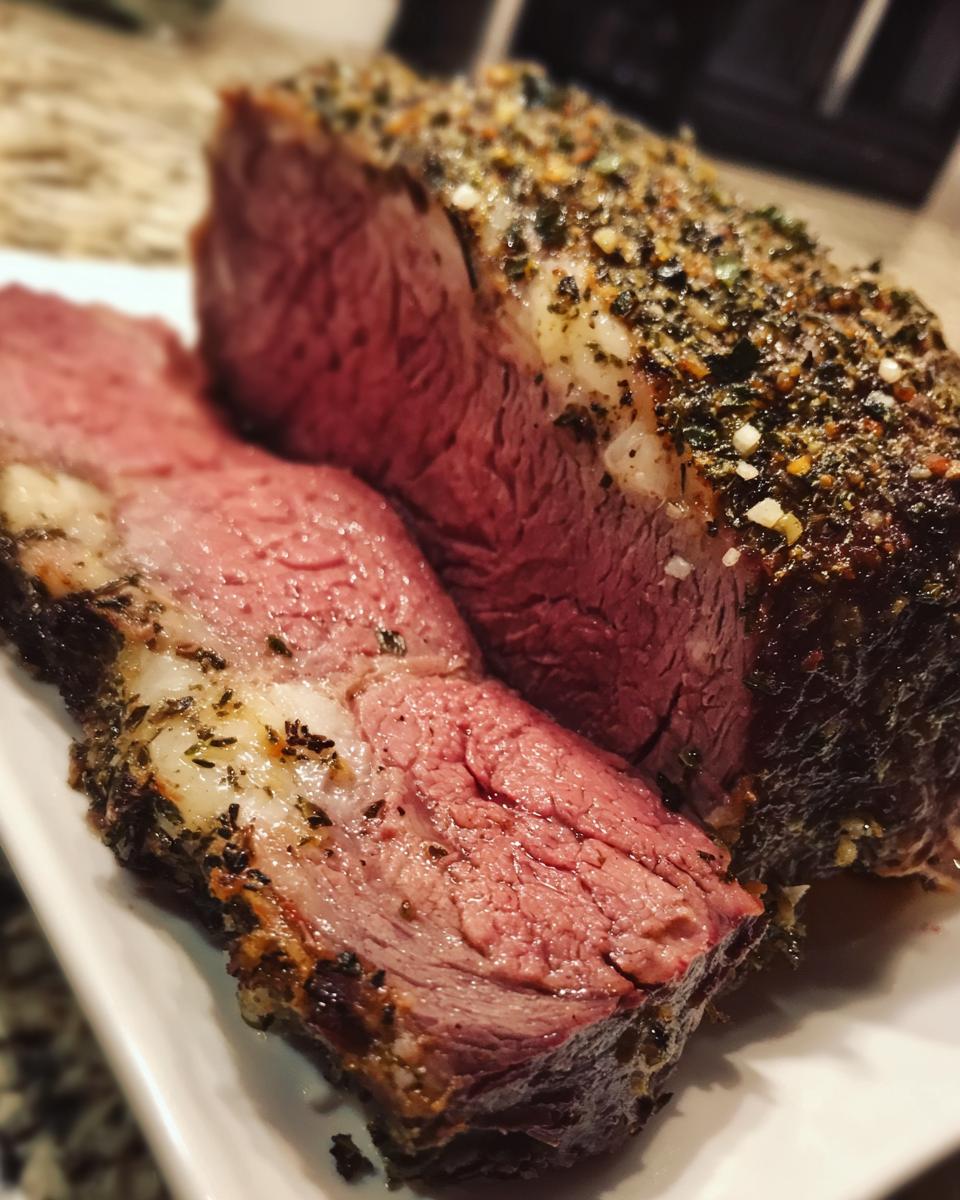
This is where a good meat thermometer earns its stripes. You are aiming for a specific temperature when you pull it out, which is always lower than your final goal because of carryover cooking. For that beautiful, classic perfect medium rare prime rib, you need to pull the roast when the thermometer reads 125°F, inserted deep into the thickest part, avoiding the bone entirely. If you wait until it hits 130°F in the oven, you’ll end up with medium beef after it rests, and we don’t want that tragedy on our hands!
The Non-Negotiable Resting Period for Your prime rib roast oven
Do not skip this step, seriously. If you carve into that roast straight from the oven, all the beautiful, juicy goodness you worked so hard to capture will flood onto your cutting board instead of staying locked into the meat fibers. When the thermometer hits that sweet spot (125°F for medium-rare), pull it out, tent it loosely with foil, and set a timer for 20 minutes—minimum! This resting time allows those juices to redistribute, guaranteeing those juicy prime rib roast instructions actually work!
Essential prime rib cooking temperatures Guide
I cannot stress this enough: guessing the doneness of your prime rib roast oven is the fastest way to ruin a fantastic piece of beef. We are using a scientific tool—a reliable meat thermometer—because that’s how we guarantee success for your Christmas prime rib dinner. Time estimates are frankly useless because every roast is shaped differently, has a different starting temperature, and your oven is unique.
You must pull the roast out when it hits the target “pull temperature.” Remember, the meat keeps cooking for about 5 degrees after you tent it up! That’s the secret to that perfect medium rare prime rib everyone dreams about. For making your life easier, I’ve laid out the key temperatures below. If you want a deep dive into mastering the oven setting, this guide from Olivia’s Kitchen is fantastic for troubleshooting!
As a side note, after you pull your roast, you’ll want something light to cut through the richness. Try my easy one-pot Spanish rice if you need a quick, flavorful accompaniment!
| Doneness | PULL Temperature (Before Rest) | FINAL Temperature (After Rest) |
|---|---|---|
| Rare | 120°F | 125°F |
| Medium-Rare (Recommended!) | 125°F | 130°F – 135°F |
| Medium | 130°F | 135°F – 140°F |
Tips for a Stress Free prime rib roast oven Experience
I know how much planning goes into a big holiday meal; we want this to be a totally stress free prime rib event, not an all-day panic session! The key to keeping things calm is knowing your equipment works for you. Always, always trust your meat thermometer over any clock on the wall. Insert it carefully into the thickest part of the roast, making absolutely sure you aren’t touching the bone, which will give you a false high reading.
Also, make sure that fat cap is facing up when the roast goes into the oven. That’s your built-in basting mechanism, letting all those beautiful rendered fats drip down and baste the meat below. It’s nature’s way of keeping things moist!
Mastering the Herb Crusted prime rib roast oven Crust
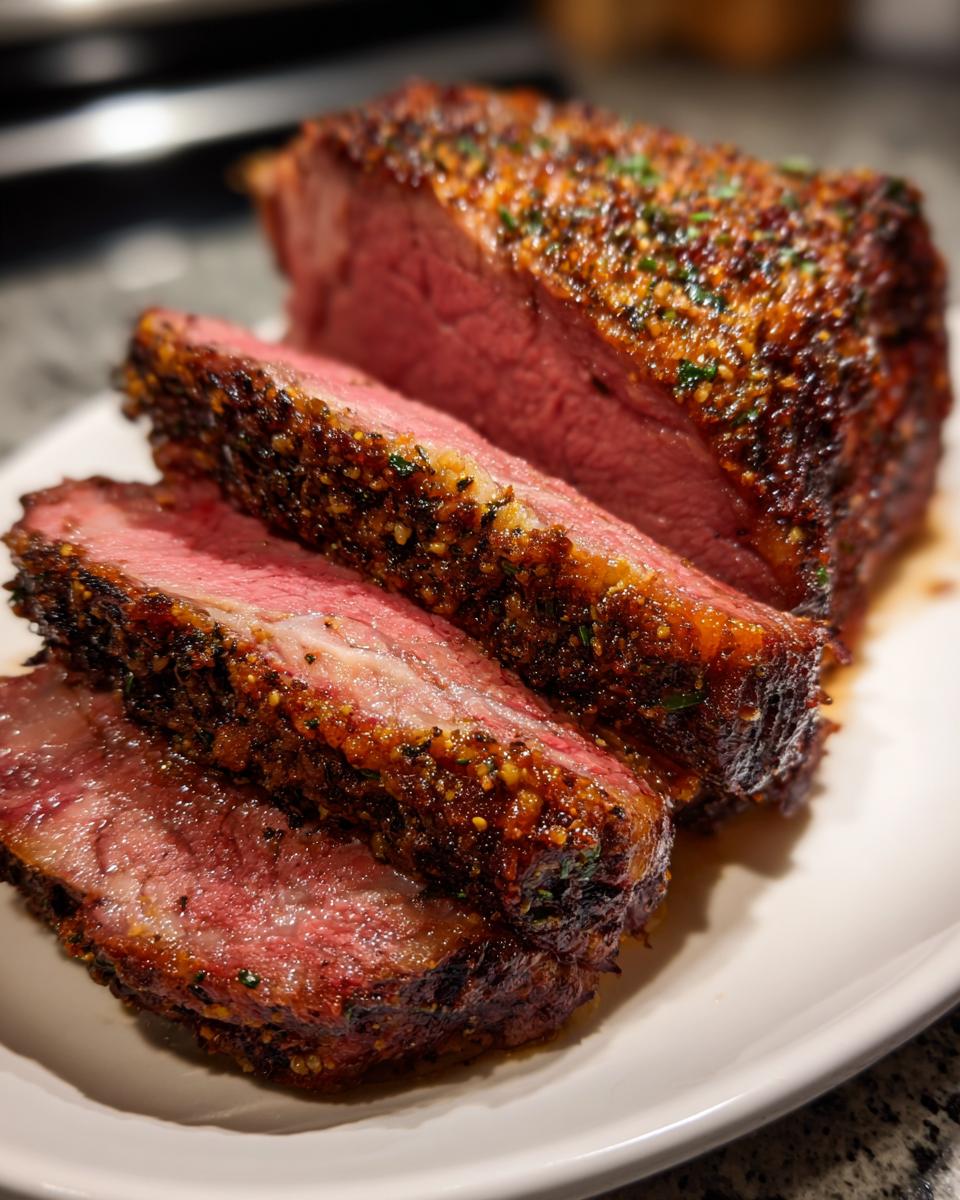
To make sure that gorgeous garlic and herb coating stays put during all that high-heat blasting we do, you need the olive oil as a sticky binder. Rub it in generously before you press on the herbs! Then, I learned this trick later on: once you have rested that magnificent prime rib roast oven masterpiece for 20 minutes, if you feel the crust isn’t quite crisp enough, you can carefully put it back into a 450°F oven for just 5 to 10 minutes to really crisp that exterior up. It adds an amazing textural contrast without overcooking the middle. This makes for amazing leftovers too, by the way; I even have a recipe for easy chicken cobbler casserole that uses leftover roast meat if you happen to have any!
Serving Suggestions for Your Holiday Beef Roast Recipe
Now that you’ve mastered the cooking, we need to talk about what goes *next* to that incredible prime rib roast oven centerpiece. A roast this rich deserves sides that complement its big beefy flavors without competing. Obviously, you need a great gravy situation! I have an amazing, simple recipe for prime rib au jus recipe that uses the drippings right from your pan—no extra fuss required.
Beyond the jus, think about textural balance. Roasted root vegetables are a classic holiday choice, but I always lean toward something bright and green, like crispy roasted asparagus or perhaps my best Christmas prime rib pairing suggestion from the folks over there, which always leans toward something seasonal!
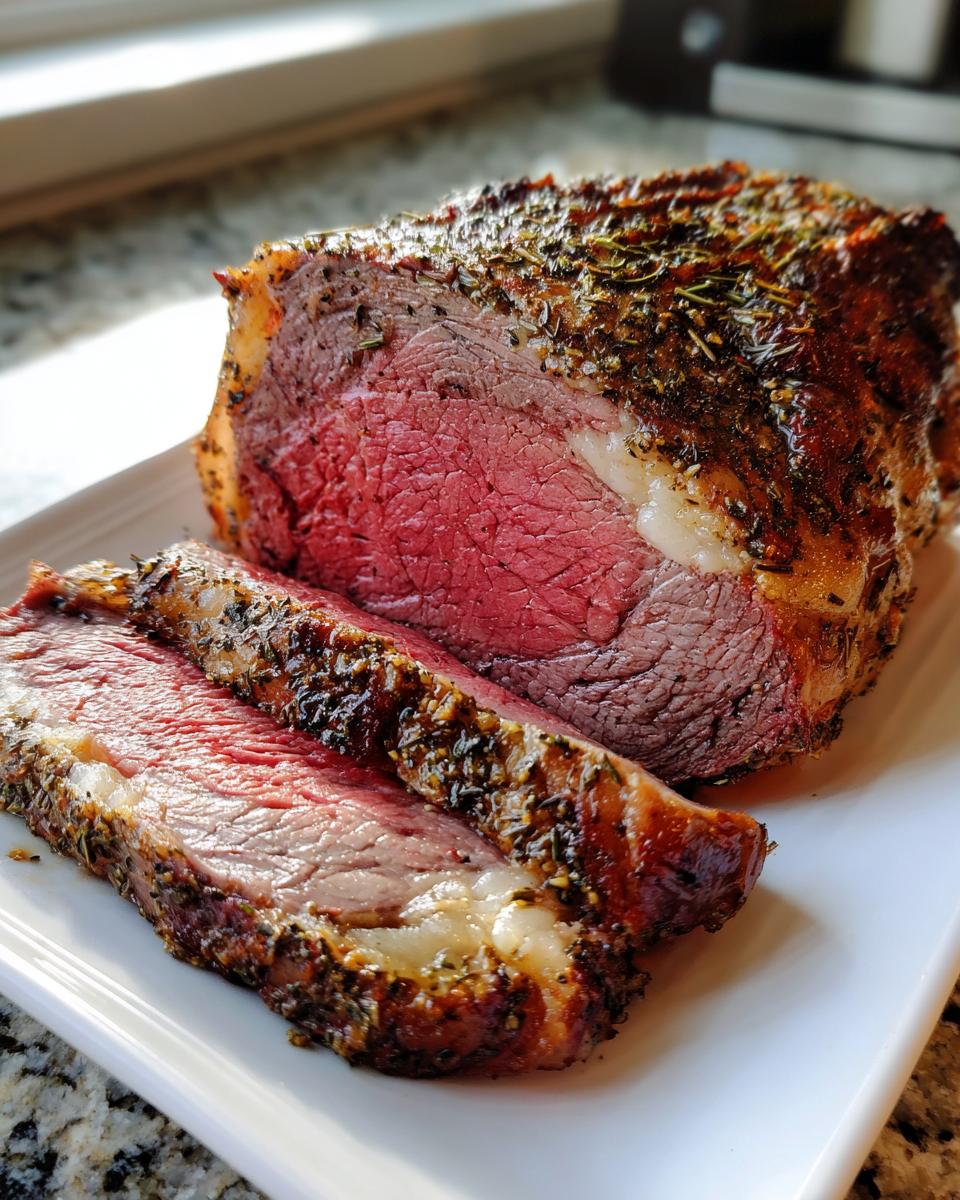
Don’t forget a creamy starch to soak up all those juices! With this holiday beef roast recipe, you realize that the sides are almost as important as the main event itself. Make sure whatever you choose doesn’t take up critical oven space while the roast is in there!
Storage and Reheating Juicy prime rib roast instructions
The great news about a stunning prime rib roast oven is that the leftovers are almost as good as the main event! Seriously, reheating those slices without turning them into beef jerky is a crucial skill. Once your roast has cooled, wrap any slices tightly in plastic wrap and then foil. Keep it in the fridge for up to four days—no more!
When you’re ready for seconds, forget the microwave! The secret to keeping those juicy prime rib roast instructions intact is moisture. Thinly slice the leftovers and gently warm them in a skillet over low heat, just barely covered, with a splash of beef broth or any leftover au jus. You just want them warmed through, not cooked further. This simple technique keeps the meat unbelievably tender!
If you are planning ahead, my easy raspberry jam recipe makes a surprisingly great spread for leftover prime rib sandwiches, balancing the rich beef flavor!
Frequently Asked Questions about the prime rib roast oven
I get so many messages asking about the nitty-gritty details of this prime rib roast oven! It’s a big investment of time and money, so it makes total sense that you want crystal clear answers before you start. I want everyone to feel confident pulling out that roast, so let’s clear up the most common confusion points right now. Don’t stress about those confusing prime rib cooking times you see online; we focus on temp!
For more reassurance on perfecting your bake, you really should check out the tips provided by Jillee over at One Good Thing by Jillee—she shares some really great foolproof approaches too, which is always reassuring!
Can I use the standing rib roast oven technique for a smaller roast?
Yes, absolutely! This standing rib roast oven technique works great even on smaller cuts, like a 3 or 4-pound roast you might have for a smaller gathering. The only thing you really need to tweak is that aggressive initial sear. Instead of 15 minutes at 500°F, stick to about 10-12 minutes for those smaller pieces. The lower temperature roasting phase is still the same concept, but you’ll need far less time overall to reach that perfect medium rare prime rib.
What is the best way to calculate prime rib cooking times?
Here’s the reality check: time is just an estimate when it comes to the oven roasted prime rib recipe. It’s just there to give you a ballpark idea! If you look at charts, they might say about 13 to 15 minutes per pound for medium-rare at 325°F, but temperatures change constantly. My rule—and this is the most important part of any easy prime rib roast—is to rely on your thermometer. If the scale says 125°F pull temperature, you pull it, regardless of whether the clock says it’s done or not!
And hey, if you’re looking for a great holiday dessert after all that beef, you have to try my recipe for easy pumpkin pie—it’s simple but always a crowd-pleaser!
Share Your prime rib roast oven Success
Phew! You’ve done the hard part! Now that you’ve conquered the ultimate holiday centerpiece, I truly want to hear all about it. Did you nail that perfect medium rare prime rib? Did the garlic herb crust sing? Don’t just leave me hanging! Drop a rating below and tell me how this prime rib roast oven method worked for your family.
If you’re looking for one last, simple appetizer while you wait for that roast to rest, try my easy bruschetta dip recipe. Happy eating!
PrintFoolproof Oven Roasted Prime Rib with Garlic Herb Crust
Cook a juicy, perfectly medium-rare prime rib roast in your oven using this simple, step-by-step method. This herb-crusted standing rib roast is ideal for your holiday dinner.
- Prep Time: 20 min
- Cook Time: 1 hr 45 min
- Total Time: 2 hr 5 min
- Yield: 6-8 servings 1x
- Category: Main Course
- Method: Oven Roasting
- Cuisine: American
- Diet: Low Fat
Ingredients
- 1 (5-7 lb) bone-in prime rib roast (standing rib roast)
- 3 tablespoons olive oil
- 6 cloves garlic, minced
- 2 tablespoons fresh rosemary, chopped
- 1 tablespoon fresh thyme leaves
- 2 teaspoons kosher salt
- 1 teaspoon black pepper
- 1 teaspoon onion powder
- 1/2 teaspoon paprika
Instructions
- Remove the prime rib roast from the refrigerator 2 to 3 hours before cooking to allow it to come closer to room temperature. This helps the roast cook evenly.
- Preheat your oven to 500 degrees Fahrenheit. Place a roasting rack inside a sturdy roasting pan.
- In a small bowl, combine the minced garlic, rosemary, thyme, kosher salt, black pepper, onion powder, and paprika to create the herb rub.
- Pat the entire surface of the prime rib roast dry with paper towels.
- Rub the olive oil evenly over the entire roast. Press the garlic herb rub firmly onto all sides of the beef.
- Place the roast, fat side up, onto the roasting rack in the pan.
- Place the roast in the preheated 500°F oven. Cook at this high temperature for exactly 15 minutes.
- After 15 minutes, reduce the oven temperature to 325 degrees Fahrenheit without opening the oven door.
- Continue roasting at 325°F. Use a reliable meat thermometer inserted into the thickest part of the roast, avoiding bone, to monitor the internal temperature.
- Remove the roast from the oven when it reaches 125°F for medium-rare. (See temperature guide below for other doneness levels).
- Transfer the roast to a cutting board. Tent it loosely with aluminum foil. Let the prime rib rest for at least 20 minutes before slicing. The internal temperature will rise during resting.
- Slice against the grain and serve immediately with au jus, if desired.
Notes
- For perfect medium-rare results, pull the roast when the internal temperature hits 125°F before resting. The final temperature after resting will be about 130°F to 135°F.
- If you prefer other doneness levels, use these target pull temperatures: Medium (130°F pull, 135-140°F final) or Medium-Well (140°F pull, 145-150°F final).
- If using a boneless prime rib, the cooking time may be slightly shorter. Always rely on the meat thermometer.
- For a crispier crust, you can briefly return the roast to a 450°F oven for 5-10 minutes after resting, just before slicing.
Nutrition
- Serving Size: 6 oz cooked
- Calories: 450
- Sugar: 0
- Sodium: 350
- Fat: 30
- Saturated Fat: 12
- Unsaturated Fat: 18
- Trans Fat: 0
- Carbohydrates: 1
- Fiber: 0
- Protein: 42
- Cholesterol: 140